When is Ramadan in Singapore and why do Muslims fast? We’ve got all the answers to the questions you’ve always wanted to ask.
Ramadan marks the start of a month of fasting and is regarded as a special time for Muslims in Singapore and around the world. This year, it begins the evening of 18 February 2026 and ends at sundown on 20 March 2026. If you’re a Ramadan rookie, here’s our guide to everything you need to know about the sacred month. When you’re done, learn about different festivals and holidays in our city, such as Pongal, Hungry Ghost Festival, Chinese New Year, and Thaipusam.
What is Ramadan?

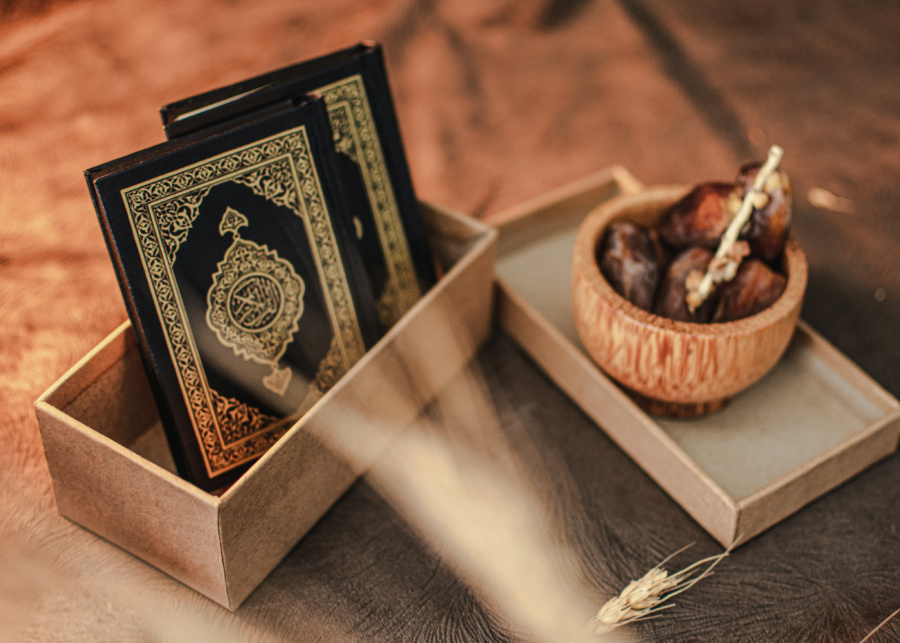
Ramadan is the ninth and holiest month of the Islamic calendar, commemorating the revelation of the Quran to Prophet Muhammad and serving as a period of worship and spiritual renewal. Fasting during Ramadan is one of the five pillars of Islam, alongside the profession of faith, daily prayer, charity, and pilgrimage. Many Muslims also increase their focus on prayer, reading the Quran, and charitable giving throughout the month.
When is Ramadan 2026 in Singapore?
This year, Ramadan is expected to begin on the evening of 18 February 2026, with the first full day of fasting on 19 February 2026. It concludes at sunset on 20 March 2026, subject to moon sighting and official confirmation by the Islamic Religious Council of Singapore (MUIS).
As the Islamic calendar follows the lunar cycle, the start and end of Ramadan shift 10 to 11 days earlier each year in the Gregorian calendar.
Why do Muslims fast during Ramadan?

Besides abstaining from food and drinks from sunrise to sunset. Fasting during Ramadan is seen as a way to grow closer to God, cultivate self‑discipline, enhance gratitude, and empathise with those experiencing hardship. It’s considered a sacred duty for adult Muslims in good health, though there are exemptions for the older folks, pregnant and nursing women, the ill, and travellers. Those who are unable to fast due to valid reasons may make up for it later or provide meals to those in need.
Curious to know more? Our colleague shared his Ramadan fasting experience, which included interrupted sleep, checking out Ramadan bazaars across the Causeway, and consuming plenty of eggs and yoghurt for his pre-dawn meals.
How does fasting work?

Each day, Muslims eat a pre‑dawn meal (referred to as sahur in Malay) before the fast officially starts at dawn prayer. They then abstain from food and drink until sunset, when the fast is broken with iftar, often starting with water and dates. The timings vary slightly each day throughout Ramadan.
And it’s not just about abstaining from food or drinks. The idea of self-restraint from earthly pleasures includes giving up smoking, intimate relations, and refraining from negative behaviours like gossiping and arguing.
How do you support Muslim friends during Ramadan?
The best way is to be respectful and understanding. Try not to offer them snacks or drinks during the day, and be mindful of your language. We recommend doing just a little research before asking easily Google-able questions. And before you even ask, yes, it’s true: fasting includes going without water.
If you don’t see your Muslim friends fasting, try not to probe either. Faith is deeply personal, and it’s not something everyone’s comfortable discussing. If you plan to catch up with them this month, schedule dinner meet-ups.
How to celebrate Ramadan in Singapore
1. Iftar with family and friends

Food plays a central role in Ramadan traditions. From traditional Malay food in Singapore to halal-friendly buffets in Singapore, many halal restaurants in Singapore offer special menus during the month. Planning to feast after a day of fasting? Check out our epic guide on where to go for iftar in Singapore.
2. Terawih

Also referred to as tarawih, this refers to optional nightly prayers performed during Ramadan at mosques or at home. These prayers commence on the evening of 18 February and are carried out in at least eight, 12, or 20 rakaat (units of prayers). They end on 19 March 2026.
Mosques in Singapore may host additional prayer sessions and events to mark significant dates within the month, such as the Laylatul Qadr (Night of Power). This is when the Quran’s first verses were revealed to the Prophet Muhammad and is traditionally observed during the last ten nights of Ramadan.
3. Ramadan bazaars

We’re psyched for the iconic Geylang Serai Ramadan Bazaar! Happening from 14 February to 21 March 2026, you can check out more than 500 stalls offering food and drinks (get all your Hari Raya snacks here!), modest wear in Singapore, hijabs in Singapore, festive decor and gifts, and more.
Another night market worth checking out is the iconic Kampong Gelam Ramadan Bazaar. From now till 15 March 2026, make your way through 100 F&B and retail stalls along Kandahar Street, Muscat Street, and Sultan Gate Park. Keep an eye out for religious talks and performances taking place during the bazaar period too.
If you’re not willing to travel or brave the crowds, there are other Ramadan bazaars in Singapore, so you still get a slice of the festivity!
4. Hari Raya 2026 light-up

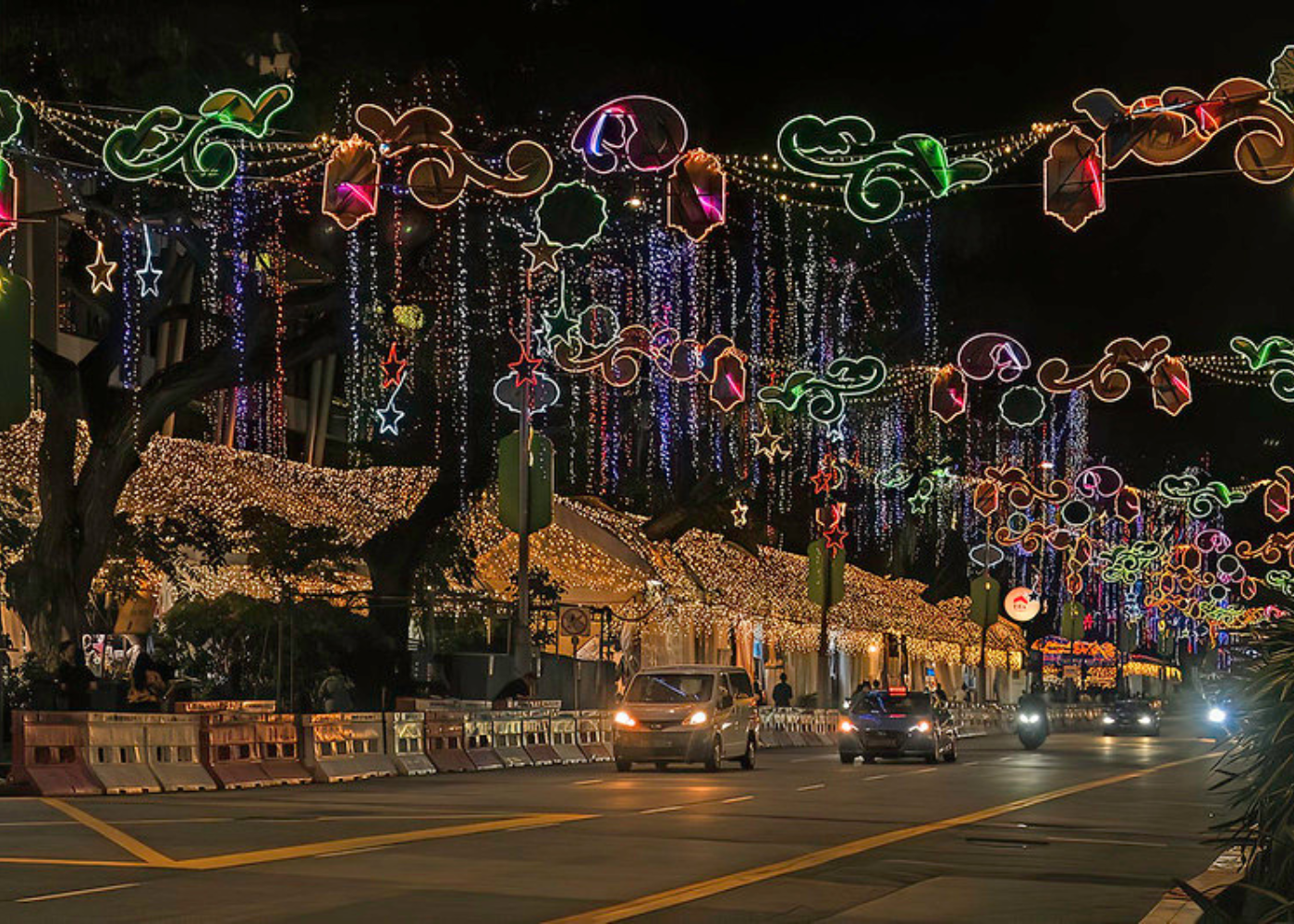
The much-anticipated light-up dazzles the streets of Geylang Serai once again when the annual main Ramadan bazaar opens. Head over to Changi Road, Geylang Road, and Sims Avenue to admire the beautiful sight and mingle with the crowds for festive vibes! Psst: The light-up will take place on 14 February 2026 in the evening.
5. Charity and donations
Ramadan may be a time of reflection, but just as importantly, it’s a season of generosity. Muslims are reminded to pay zakat (a compulsory form of almsgiving), ensuring that vulnerable members of the community are supported during the holy month. In Singapore, this is facilitated through MUIS, which channels contributions towards eligible beneficiaries such as low-income families, students, and individuals in need.
Beyond zakat, many turn to established charities. Donating early helps ensure assistance reaches recipients in time for the festive period, when expenses can rise. Whether through financial contributions, food donations, or volunteering, acts of charity embody the spirit of compassion that defines Ramadan.
6. Community gatherings

While the month is deeply spiritual, it’s also wonderfully communal, with residents coming together to break fast, connect, and strengthen neighbourhood ties. Organisations like the People’s Association organise open iftar events and community programmes that welcome people from all backgrounds, fostering a sense of togetherness that extends beyond faith. P.S. Kampong Gelam Ramadan Bazaar’s annual mass iftar will take place on 28 February 2026.
What happens at the end of Ramadan?

At the end of Ramadan, Muslims celebrate Hari Raya Puasa (also known as Hari Raya Aidilfitri), marking the conclusion of the month of fasting. This year, Hari Raya Puasa is expected to fall around 21 March 2026. The celebration typically includes morning prayers, forgiveness rituals, festive meals, and visiting family and friends.
There you have it – the answers to your questions about Ramadan in Singapore.
Frequently Asked Questions
When does Ramadan 2026 start and end in Singapore?
Based on the official announcement by the Mufti of Singapore, Ramadan 2026 officially begins on 19 February 2026. The month of fasting is expected to last 30 days, ending on 20 March 2026.
What are the typical fasting hours?
In Singapore, fasting hours are consistent due to our proximity to the equator. Fasting lasts approximately 13 to 14 hours daily.
Where are the best Ramadan bazaars in Singapore?
The two heavyweights are Geylang Serai Ramadan Bazaar and Kampong Gelam Ramadan Bazaar. However, you can also check out smaller, local bazaars at heartland areas like Woodlands and Tampines.
What are Terawih prayers?
Terawih are special congregational prayers performed only during Ramadan nights. They usually start around 8.30pm, and almost all mosques in Singapore hold sessions. Many community spaces also offer Terawih to manage crowds.
Can non-Muslims visit mosques during this time?
Yes! Mosques like Sultan Mosque welcome visitors. However, check its designated visiting hours as the mosque may be restricted during prayer times. Non-Muslims are also often invited to join community iftars.
Is it okay to eat in front of my fasting colleagues?
Yes, it is perfectly fine. Most Muslims do not expect others to stop eating. However, being mindful – such as not inviting them to a "lunch meeting" or being overly descriptive of your delicious meal – is a appreciated gesture of respect.
