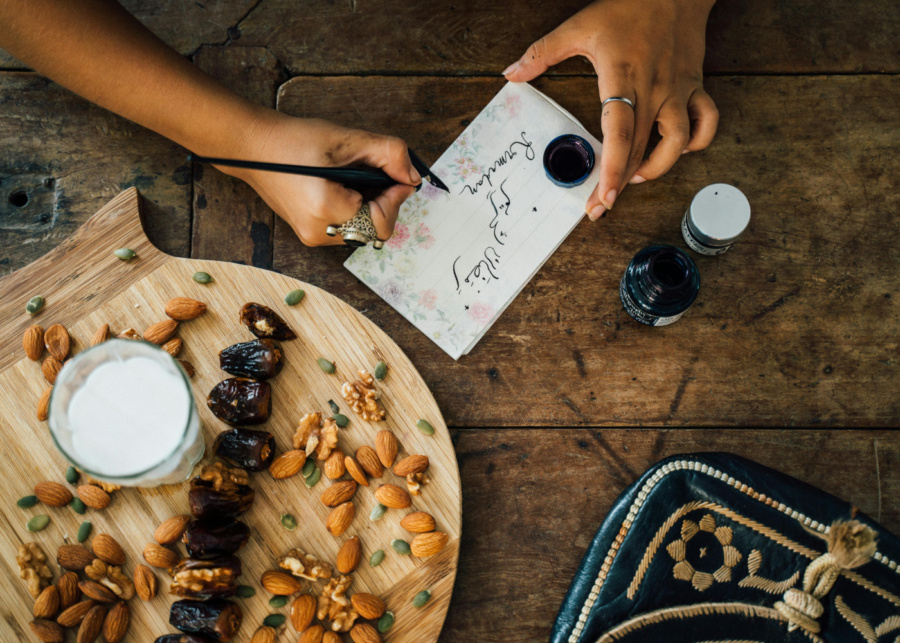
From protein-packed eggs to fibre-rich oats and hydration heroes, here’s what to eat for sahur to stay energised and avoid the midday crash.
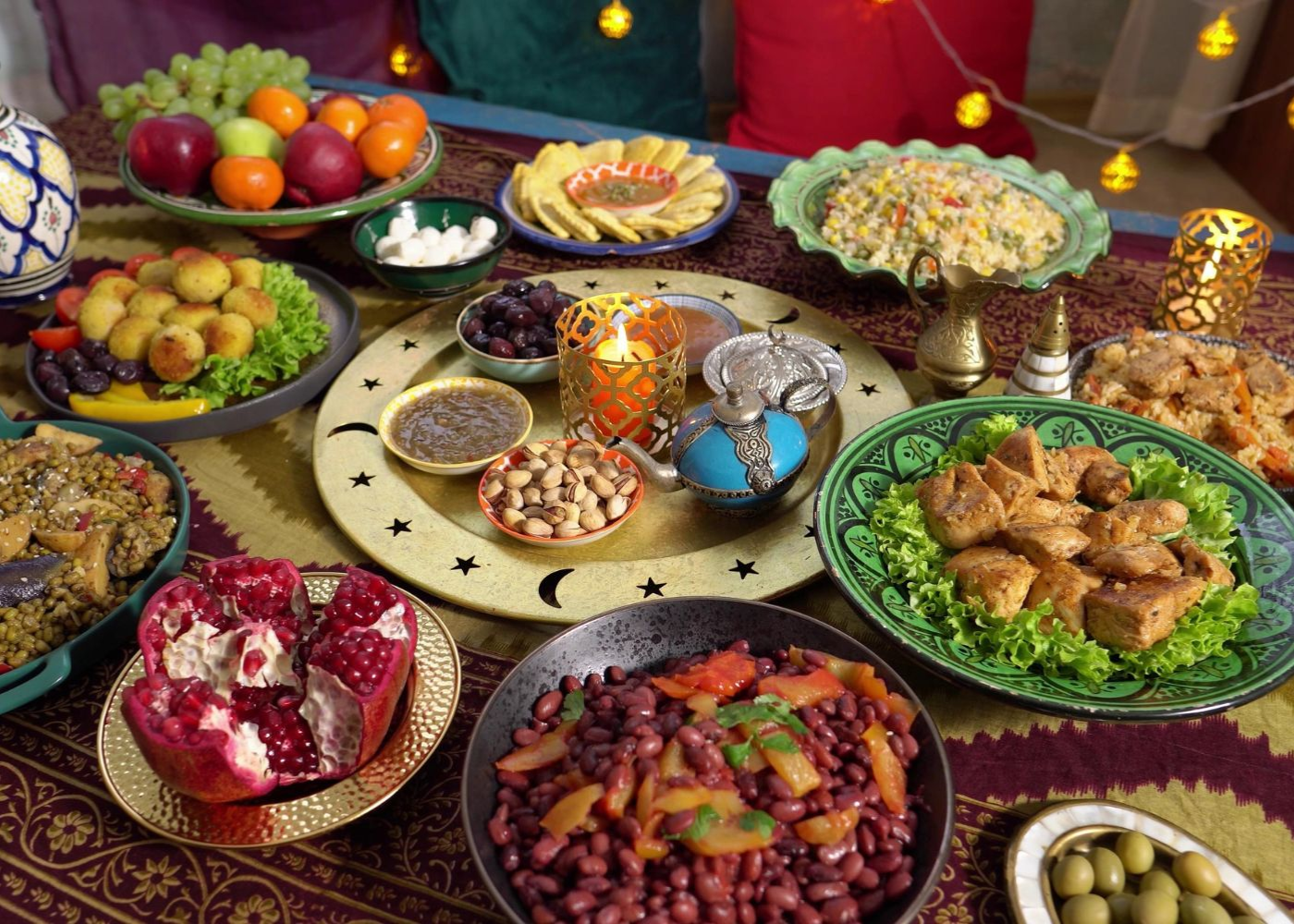
Trying to figure out what to eat for sahur without falling back on sad instant noodles at 4am? Same. This question haunts Muslims every Ramadan in Singapore – like an alarm we didn’t ask for. So what grub should you have for your pre-dawn meal? Look no further, ‘cos I’ve done the heavy lifting to bring you the best food to eat for sahur.
What is sahur?
Sahur is the pre-dawn meal eaten by Muslims very early in the morning. It’s an important meal that prepares the body for a full day of fasting by preventing dehydration and extreme fatigue. Think of it as your primary fuel source for the next 13 to 14 hours.
When does sahur start and end?
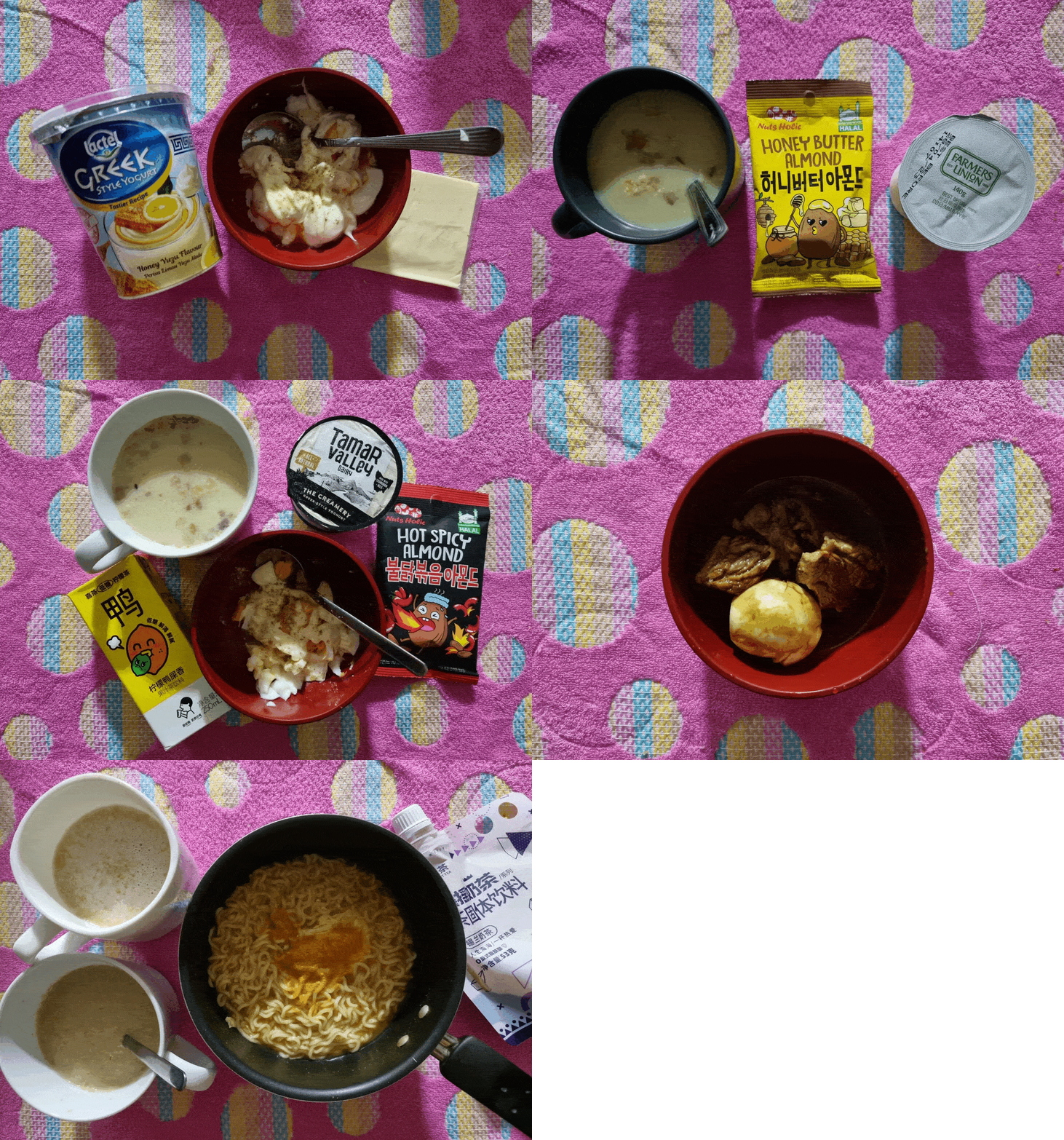
While sahur can be consumed anytime before the first light of dawn, Muslims in Singapore typically have it between 4am and 5am. The recommended time for sahur is as close to Fajr as possible, though it’s best to stop eating 10 to 15 minutes (imsak) before the call to prayer. Physically, this shortens the number of hours your body is without food. Spiritually, it ensures you’re awake and ready for the first prayer, helping you start your morning with discipline and purpose.
What to eat for sahur in Ramadan
Choosing the best food for sahur will determine how well your body can sustain the day-long fast. A pre-dawn meal comprising slowly digestible carbohydrates and adequate proteins maintains blood sugar levels and helps keep your body nourished and energised. Here are some simple and healthy food ideas for sahur.
1. Dates
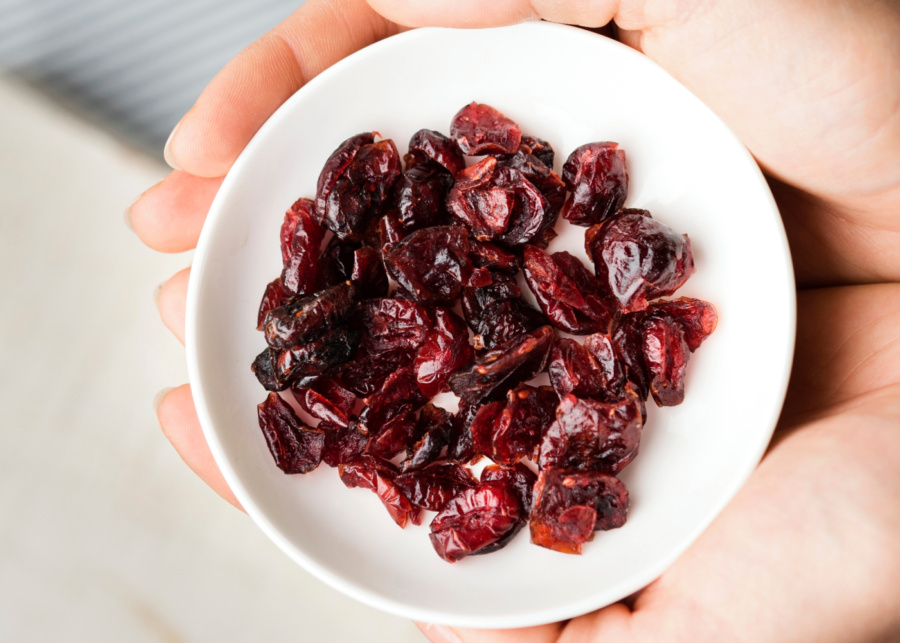
It’s sunnah (Prophetic tradition) to eat dates during sahur. They’re a source of protein, fibre, and essential nutrients like potassium and magnesium, and help to support the body’s immune system and healthy functions. Apart from eating them directly, you can blend dates with milk or mix them with oats and nuts for a fast yet filling meal.
2. Eggs
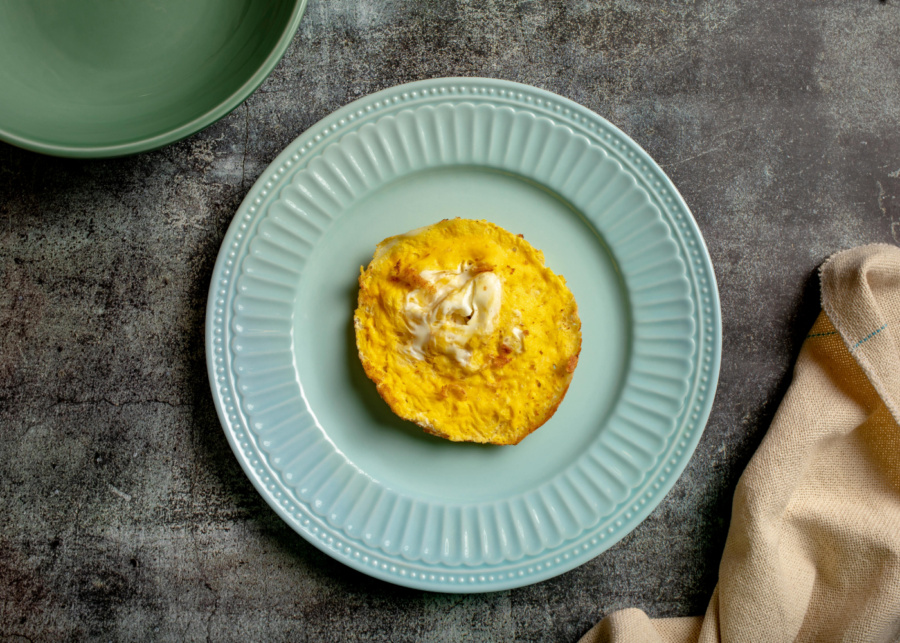
Eggs are the sahur MVP, brimming with high-quality protein and essential nutrients that support brain function. They’re absolutely helpful when you’re running on four hours of sleep. Have them scrambled, boiled, poached, or as a hearty omelette filled with cherry tomatoes. I like them on whole wheat toast topped with avocado and sliced cucumbers on the side. On lazy days, an egg and tuna sandwich hits the spot.
3. Oats
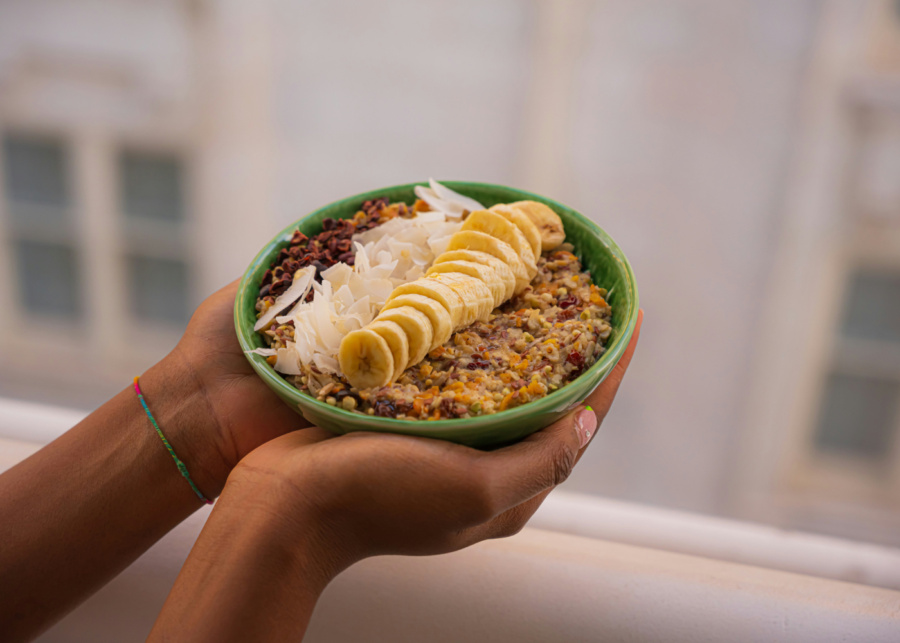
Oats are the quiet overachiever of sahur. They’re packed with soluble fibre, which slows digestion and keeps you fuller for longer. The proteins provide stamina, so you’ll have energy throughout the day. Prepare overnight oats with chia seeds, peanut butter, and banana or an oat smoothie with milk and berries. My go-to sahur meal is a warm oatmeal topped with dates, almonds, and honey.
4. Greek yoghurt
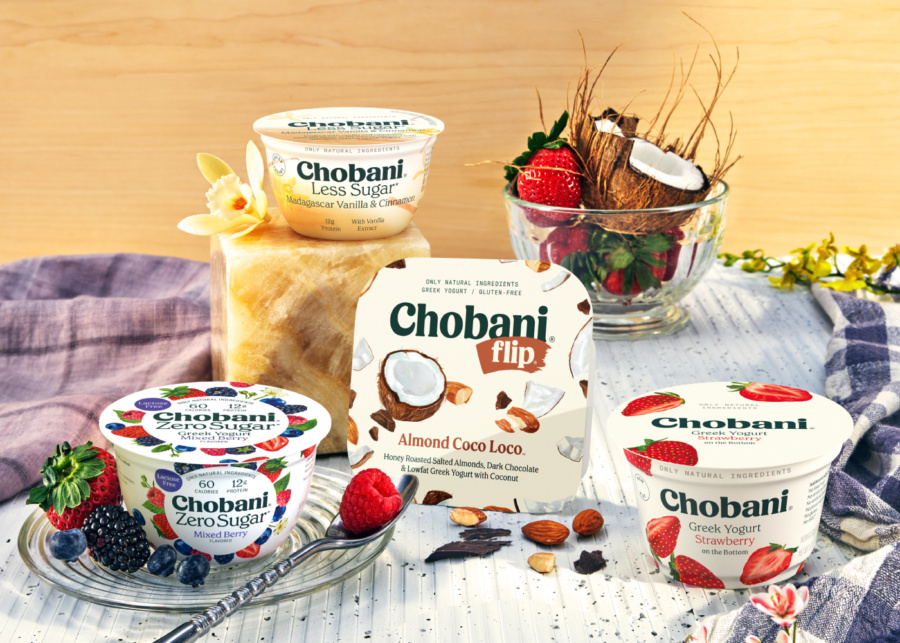
What’s easy to eat when you’re still half asleep and can barely handle a stove or boiling water? Greek yoghurt. These goodies are high in protein, contain probiotics, and won’t make you question your life choices at 4am. Simple food ideas for sahur include having them with granola and berries or making a yoghurt parfait with nuts and seeds.
5. Nuts
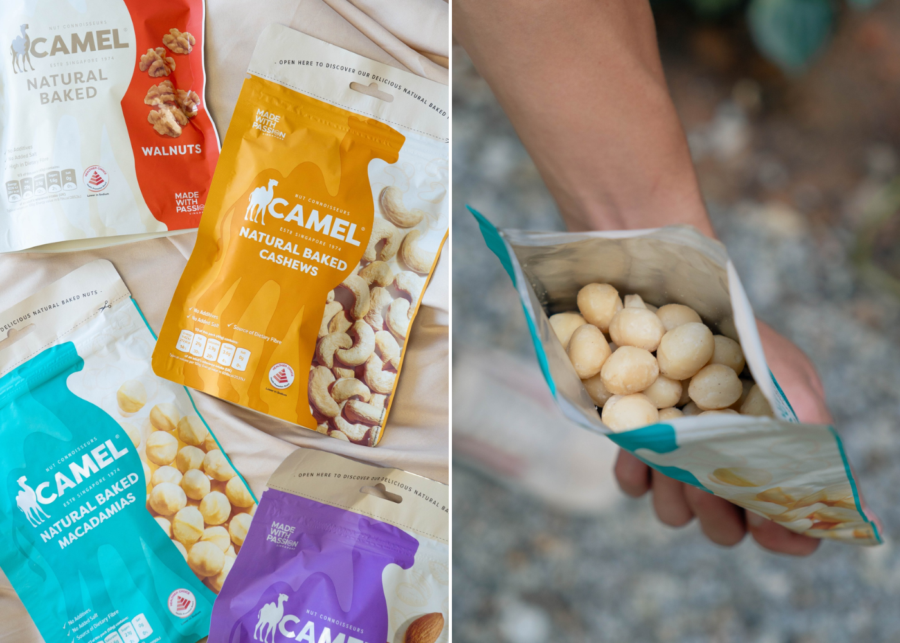
So you woke up late with little time to spare for sahur. What can you nom on that’ll keep your spirits up the rest of the day? Say hey to nuts, known for satisfying hunger even with a small serving. Almonds, walnuts, cashews, and pistachios provide sustained energy, fibre, and omega-3s. Spread some nut butter on bread or dates for a quick, healthy sahur food.
6. Fruits
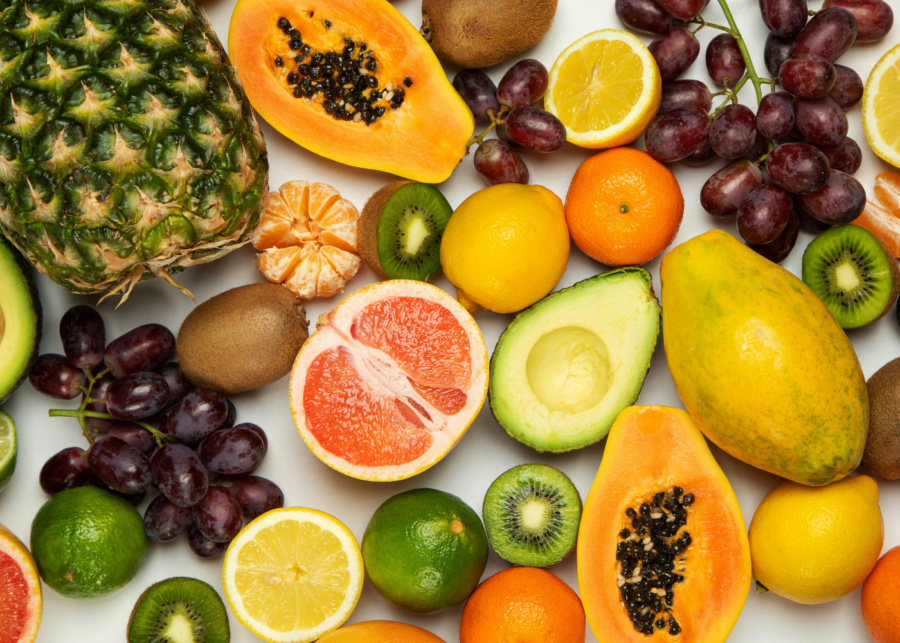
Load up on fruits, which provide natural sugars, fibre, vitamins, and hydration. Oh, they help prevent constipation too! Good to have in your kitchen this Ramadan are bananas, watermelons, apples, and oranges. You can enjoy them on their own, though I recommend having them with nut butters, Greek yoghurt, or oats. Tip: throw everything together and drizzle with honey, and you have a delicious fruit salad.
7. Hydration

Here’s the tea: dehydration is the real villain you have to combat during this fasting month, not hunger. Fluid intake is vital for maintaining a steady water balance throughout the day. What helps? Water (obviously), milk (adds protein and calcium), coconut water (natural electrolytes), fruits, and soupy dishes like porridge or light broth.
Pro tip: Don’t chug a litre of water in the last five minutes before imsak like it’s Songkran. Your body can’t absorb it all at once and will simply flush it out. Instead, sip water steadily from the time you wake up until the end of your meal.
Foods to avoid at sahur

Certain foods can work against you during the fasting period. Ideally, avoid salty (sodium overload = thirst trap) and sugary (energy crash incoming) nosh, fried food (grease regret), and excessive caffeine (midday migraine behaviour).
Coffee obsessives, this one’s for you: why avoid caffeinated beverages? Well, caffeine is a diuretic, meaning it stimulates your body to lose water through urination. Drinking a large coffee at 5.30am can actually speed up dehydration by noon. If you need a caffeine fix, stick to a small cup and balance it with two glasses of water.
Now you know what to eat for sahur in Singapore this Ramadan.
Frequently Asked Questions
What is sahur and why is it special?
Sahur is the meal Muslims have early in the morning before the day's fast begins at dawn. In Islamic tradition, it is considered a blessed meal.
When is the absolute latest I can eat?
Your cutoff for eating and drinking is imsak, typically about 10 minutes before the dawn prayer.
Is sahur mandatory for the fast to be valid?
Technically, no. Your fast is still valid as long as you have the intention to fast. Waking up for sahur differentiates the Islamic fast from other forms of fasting and provides the spiritual benefit of being awake during the last third of the night.
What if I accidentally sleep through sahur?
If you wake up and the sun is already rising, you cannot eat or drink. You should continue your fast as per normal. While it will be physically tougher, the intention you made the night before keeps your fast valid.
Is it okay to skip sahur if I’m not hungry?
It is highly discouraged. Skipping sahur prolongs the fasting period (up to 20+ hours), which forces your body to rely on the previous night’s meal. This often leads to headaches, fatigue, and "revenge eating" during iftar, which causes weight gain and indigestion.
What foods keep me full the longest?
Focus on the satiety trio: complex carbs, high protein, and healthy fats.
- Complex carbs (low GI): Oats, brown rice, wholemeal bread, and quinoa. These release sugar slowly into your bloodstream, preventing that 11am energy crash.
- High protein: Eggs, Greek yoghurt, chicken, or beans. Protein takes longer to digest and helps maintain muscle mass.
- Healthy fats: Avocado, nuts, and olive oil. Fats slow down the emptying of your stomach, keeping hunger at bay.
What should I eat to avoid thirst?
- Hydrating foods: Watermelon, cucumbers, and tomatoes have high water content that is released slowly as you digest.
- Dates: Not just for iftar! They are high in potassium, which helps your body maintain fluid balance.
- The "yoghurt hack": A bowl of yoghurt at sahur is a traditional secret for preventing thirst throughout the day.
