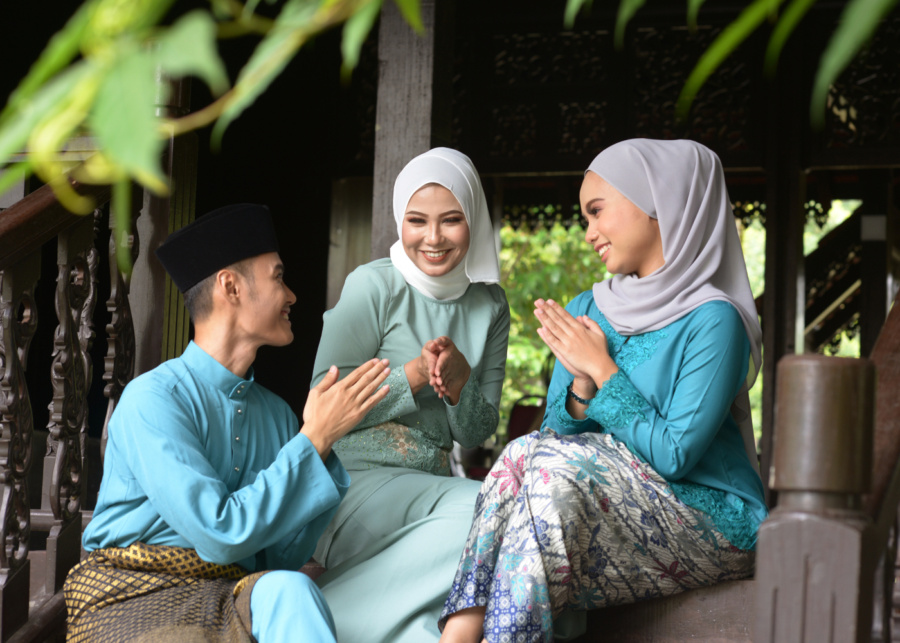
From open houses to green packets, here’s how to celebrate Hari Raya in Singapore with respect, style, and zero awkward moments.
Hari Raya Aidilfitri in Singapore is that time of year when the Muslim community bids farewell to the month of Ramadan and dives into open-house marathons. It’s a celebration of forgiveness, gratitude, and family… but without knowing the proper etiquette, it’s also a minefield of awkward moments, judgmental relatives, and accidental social faux pas. But don’t worry, we’ve got your back. Consider this your cheat sheet on how to navigate Hari Raya traditions and visiting etiquette in Singapore.
Hari Raya customs and practices in Singapore
1. Seeking forgiveness
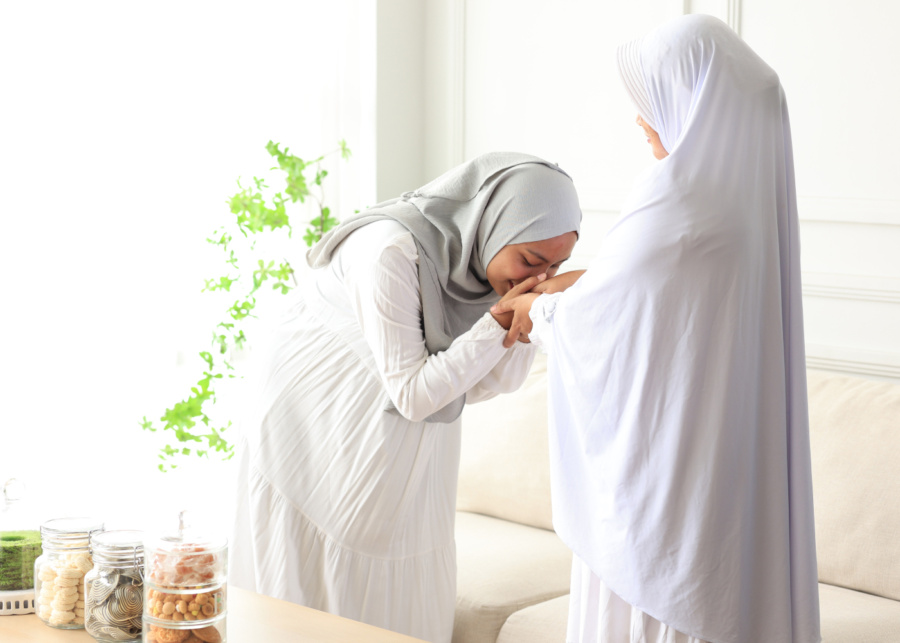
Before the feast and festivities, it’s customary to ask for forgiveness from family and friends. Think of it as emotional spring cleaning: clear your grudges, reset relationships, and brace yourself for that inevitable awkward hug with your cousin who still owes you a dollar from 2016. Crying isn’t a requirement, though you might witness plenty of waterworks during this time.
2. Donning colourful baju Raya
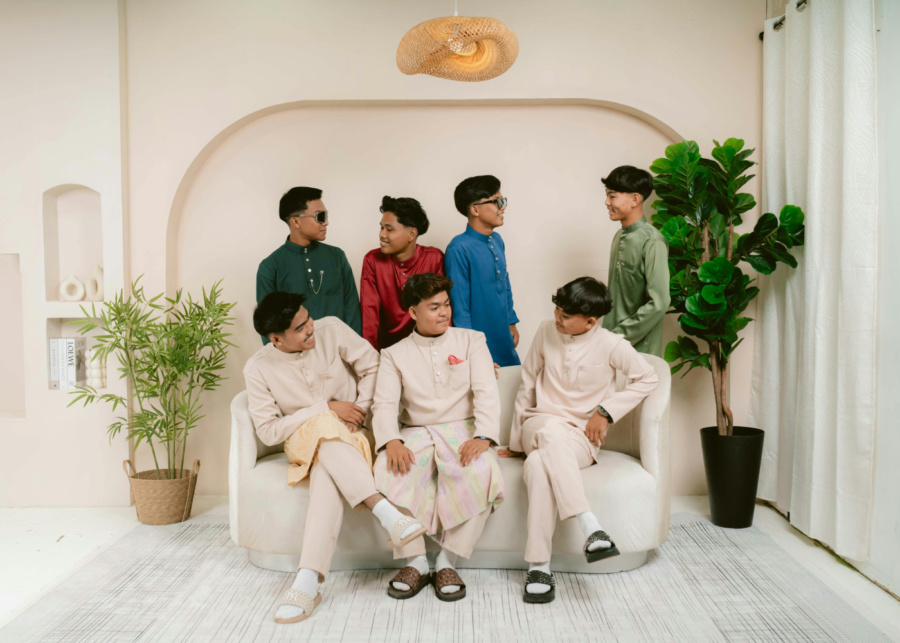
Baju kurung, kebaya, baju Melayu, songkok… the traditional outfit game is real. You can say this is where everyone shows up and shows out. It’s not just about aesthetics – dressing modestly signals respect, while coordinating family outfits earns you bonus points in social credit. Psst: get the 411 on the different types of baju Raya and where you can get them in Singapore.
3. Visiting family and friends
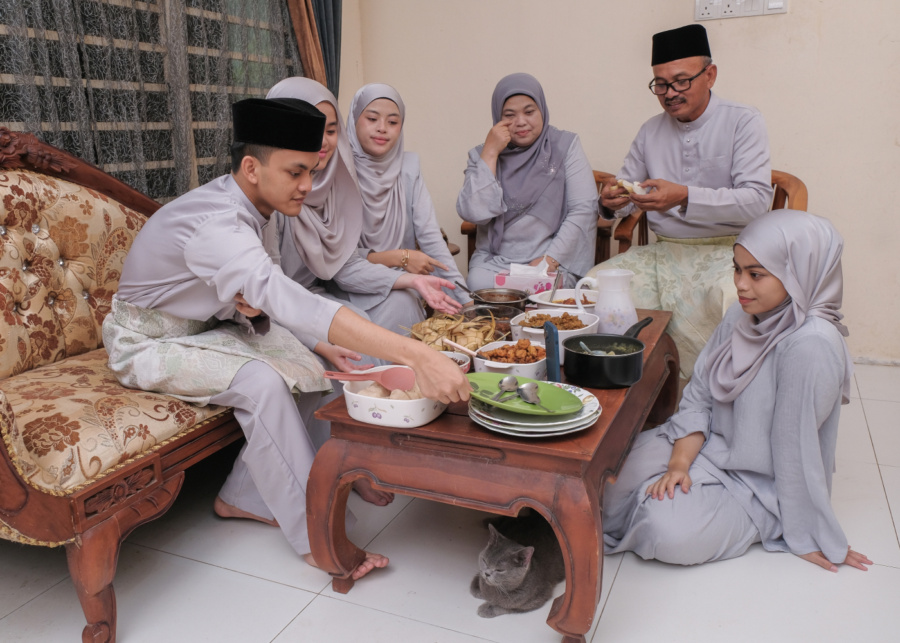
From intimate family gatherings to multi-house hopping that could qualify as a competitive sport, visiting loved ones is core to the Raya season. Remember: it’s about connection, not just the food. But if we’re honest, pacing your eating strategy is basically survival 101. Manage your plate at every home visit – not too little till you get the dreaded “that’s all you’re eating?” but at the same time not too much till your stomach begs for mercy.
If all else fails, just pass the eating baton to a bottomless pit… your father.
4. Paying respects to the deceased
Some folks visit family members who have passed during the first day of Hari Raya. Etiquette here is simple: dress modestly and maintain decorum. This means no loud chatter (use your indoor voice) or selfies (save them for later). Oh, don’t forget the trusty umbrella and bottled water.
5. Giving green packets
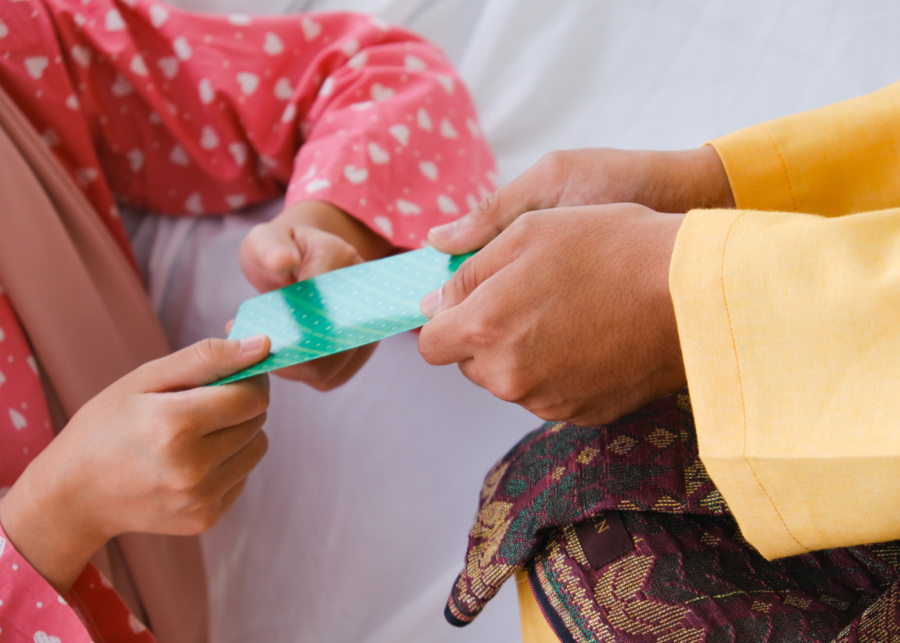
Green packets (or envelopes) are festive cash gifts given to kids, unmarried relatives, and the elderly during Hari Raya. This concept is known as duit raya within the Malay community and is somewhat similar to the Chinese ang bao. The amount to give is entirely up to you, though don’t be that person handing out $2 notes like it’s 1996. Now, why green? The colour is heavily associated with Islam, representing paradise, peace, and harmony.
When receiving green packets, the rule of thumb is to do it with both hands and avoid opening in front of the giver. It’s all about gratitude, so no “how much did you get?” like it’s a salary review.
Nowadays, e-duit raya is the adulting answer to last-minute giving or long-distance relatives. The etiquette still applies: don’t send $10 with zero greeting, and avoid screenshotting and comparing like it’s crypto.
Hari Raya visiting etiquette in Singapore
6. As a guest
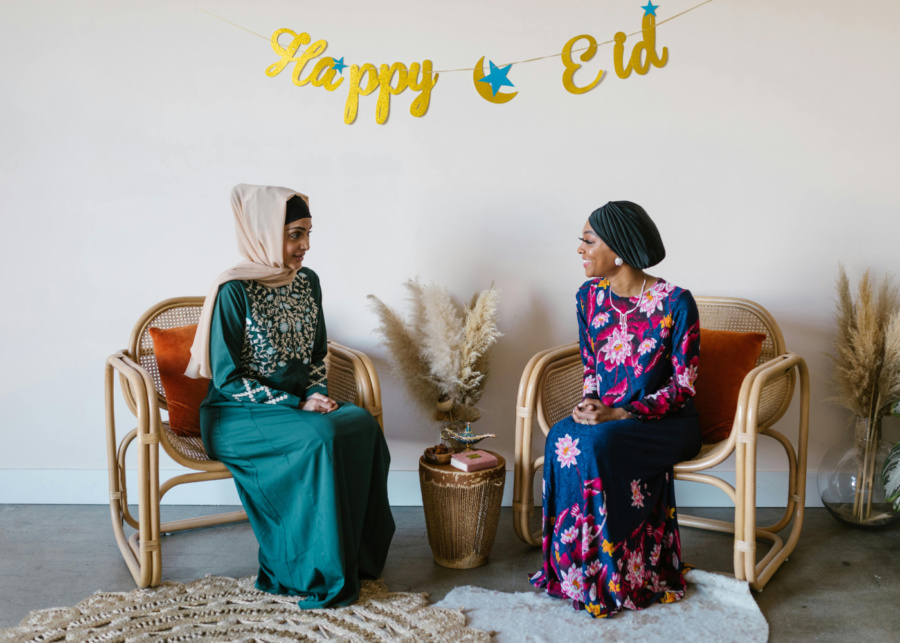
Basic courtesy goes a long way, so remember to give your greetings and say hello to elders first (the food table can wait). Avoid overstaying – hopping five open houses is a marathon, not a Netflix binge – and you don’t want to stay too late. Hari Raya is meant to be a joyous celebration, so skip the controversial topics, prying into life choices, and passing snarky remarks. You’re here for rendang, not therapy.
7. As a host
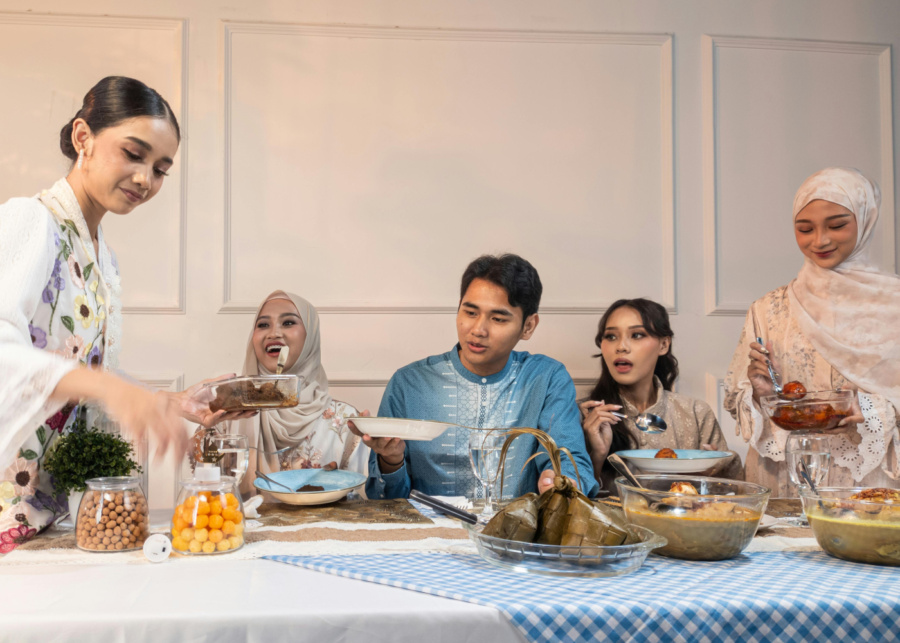
Welcome guests warmly, even if you’re not familiar with them. No one wants to feel like they RSVP’d to a courtroom. Feed people generously, but don’t weaponise guilt over unfinished plates. Understand that guests may need to leave early – this is not a hostage situation.
8. Good to know for non-Muslims
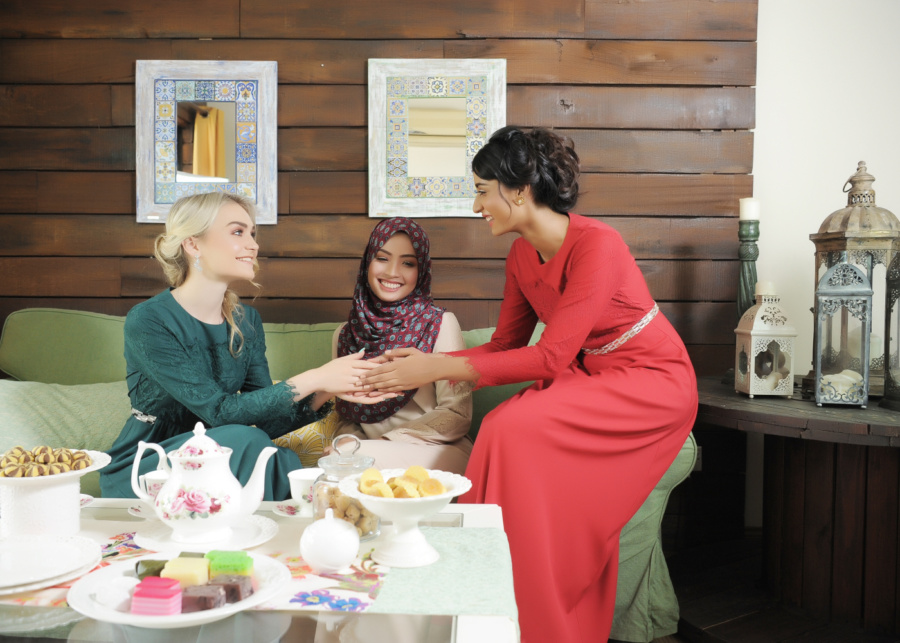
You can dress up in baju raya if you have one or if someone’s willing to lend you theirs. Otherwise, just dress modestly and respectfully. Flip flops and tank tops? That’s a no-no. Avoid intrusive behaviour: don’t open doors uninvited or hover near the dessert table like a hawk. Basic greetings like “Selamat Hari Raya” are always appreciated. (P.S. Hari Raya isn’t a Muslim new year, despite what people think.)
Food traditions during Hari Raya in Singapore
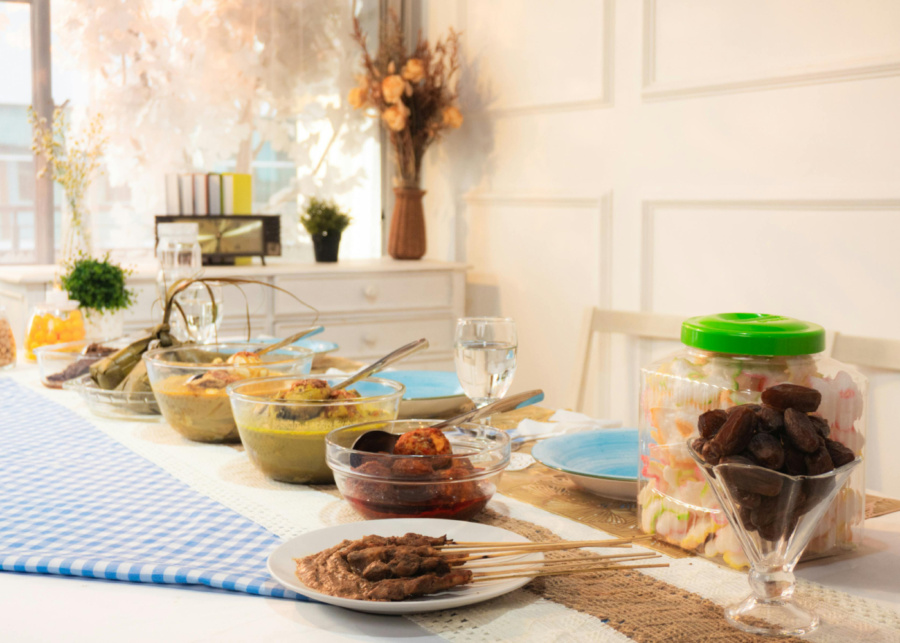
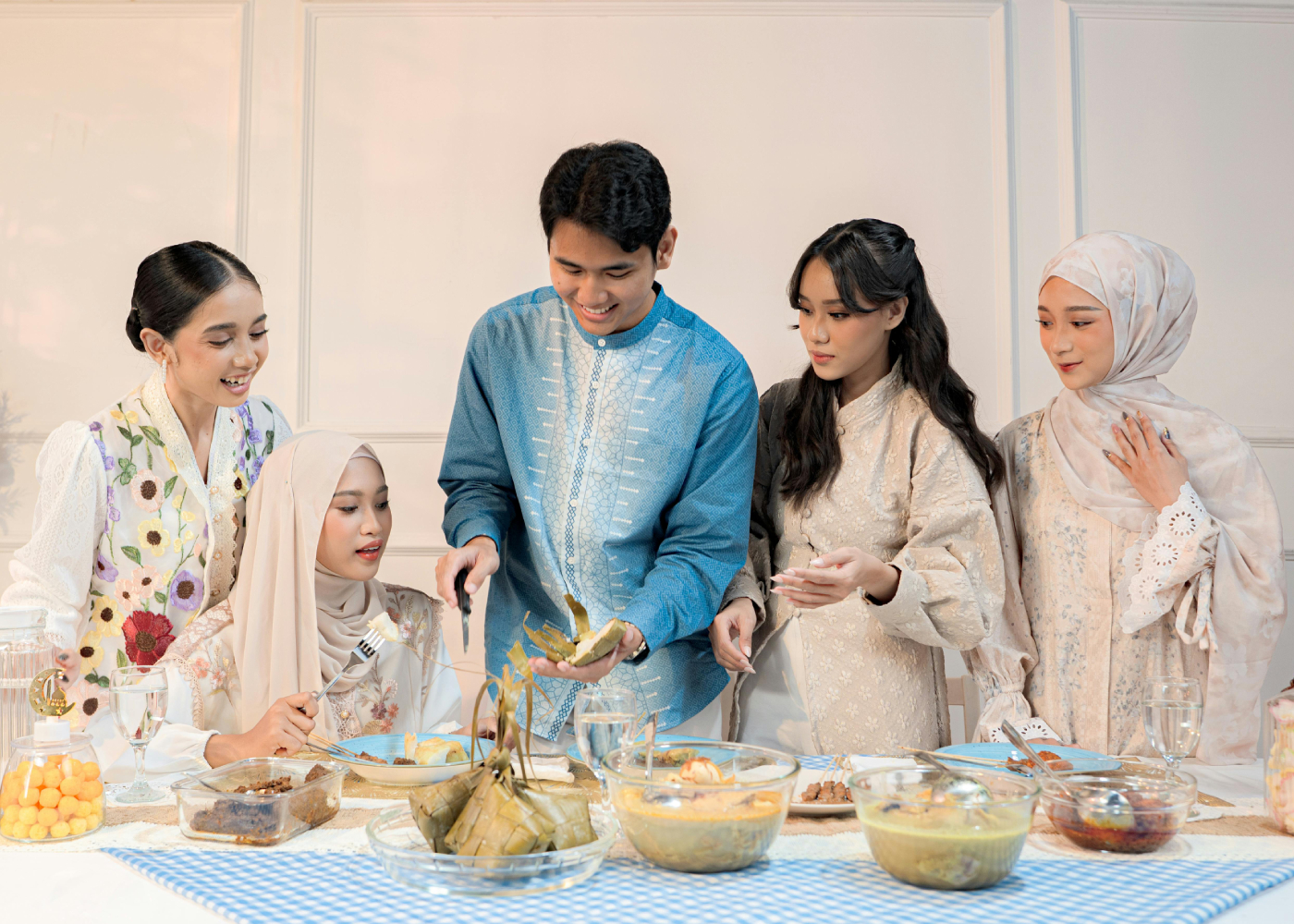
Food is the heart of Raya hospitality. We’re talking ketupat, rendang, Hari Raya snacks, and more… Polite eating counts as social currency, so remember to pace yourself, compliment the cook, and don’t take the last kuih without asking (yes, paiseh piece also exists in Malay culture). Aunties notice these things, and you don’t want to be the subject of their incessant ribbing.
Now go forth and take on Hari Raya in Singapore! Behave yourself, pace your stomach, and don’t embarrass yourself in front of the makciks.
Frequently Asked Questions
What is the significance of the salam?
The salam is a traditional gesture of respect. A younger person gently takes an elder's hand and brings it to their forehead. It’s not just a handshake; it’s a moment of reconciliation. Non-Muslims aren't expected to do this. A simple nod, a warm smile, or placing your right hand over your heart is a perfectly respectful alternative.
What does "maaf zahir dan batin" actually mean?
This is the most important phrase of the season. It translates to "I seek forgiveness from you, physically and spiritually."
- The "zahir" (Physical): Forgiving outward mistakes or unkind words.
- The "batin" (Spiritual): Forgiving hidden resentments or negative thoughts.
It’s a "clean slate" for the year ahead!
Why do families wear matching colours?
You’ll see entire families dressed in the exact same shade of baju Melayu or baju kurung. This isn't just for Instagram (though it looks great) – it symbolises family unity and harmony.
Should I bring a gift to an open house?
It's not strictly expected, but a small gesture is always appreciated.
How should I dress as a guest?
Modesty is key. You don't need traditional Malay clothes, but aim for covered shoulders and knees. Avoid very tight, sheer, or revealing clothing. Pro tip: Wear shoes that are easy to slip on and off.
Who gives and who receives green packets?
Unlike Chinese New Year (where only married people give), the general rule for duit raya is working adults give to children and the elderly. If you're a non-Muslim guest, you're not expected to give Duit Raya.
How much is typically inside a green packet?
There's no "market rate," and the intention of charity is more important than the amount.
When's the best time to give the packet?
Usually at the end of the visit, when you are saying your goodbyes. It’s a nice way to end the session on a high note!