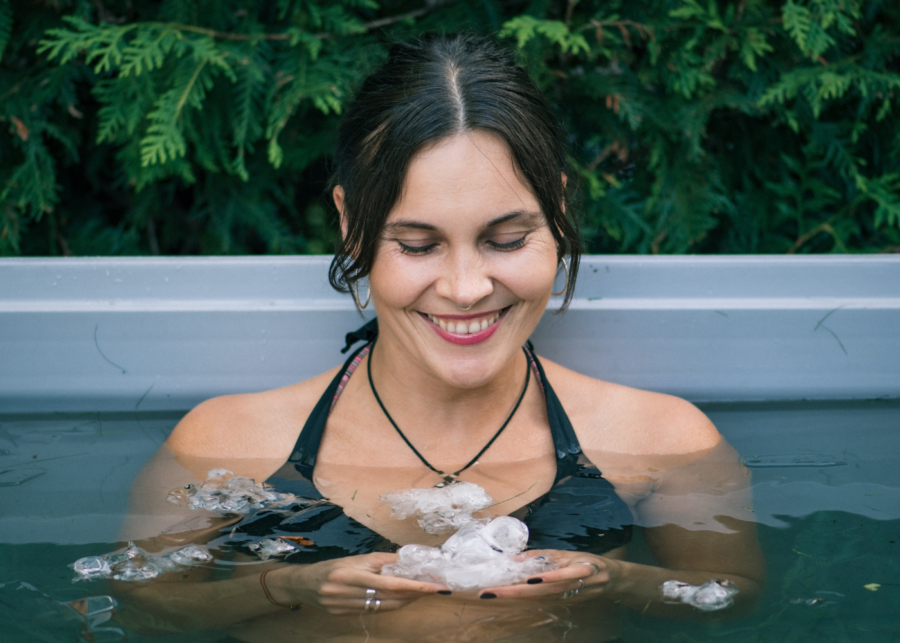
After starting my cold plunging journey in Singapore, I discovered how this wellness ritual reshaped my mindset, routines, and relationships.
Cold plunging in Singapore has become one of the most talked-about wellness rituals, thanks to its physical, mental and social benefits. From faster muscle recovery to improved focus and resilience, the benefits of cold plunge therapy go beyond braving cold water. After cold plunging consistently for three months, it reshaped my mindset around wellness – not as a solo pursuit, but a shared ritual worth slowing down for.
So, why did I take the plunge? I wanted to try something new, and I was curious about social wellness. With my family beginning a new chapter, it allowed me to pause and curate my next five years, personally and professionally. Here’s what happened when I started my journey of cold plunging in Singapore.
What is a cold plunge?
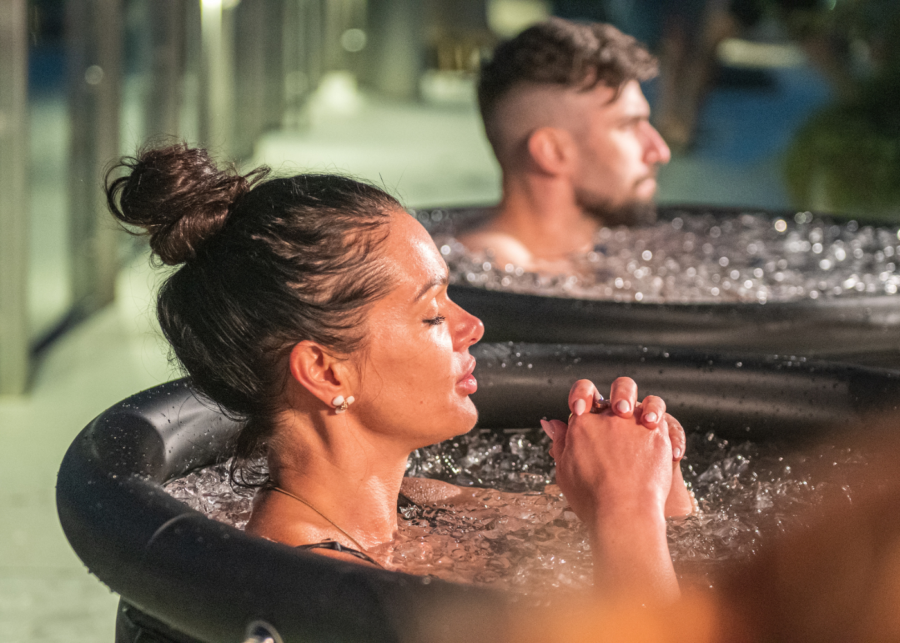
For the uninitiated, a cold plunge involves immersing yourself in cold water for a short period of time, typically one to three minutes. Cold plunges are commonly used for recovery, stress regulation, and mental resilience.
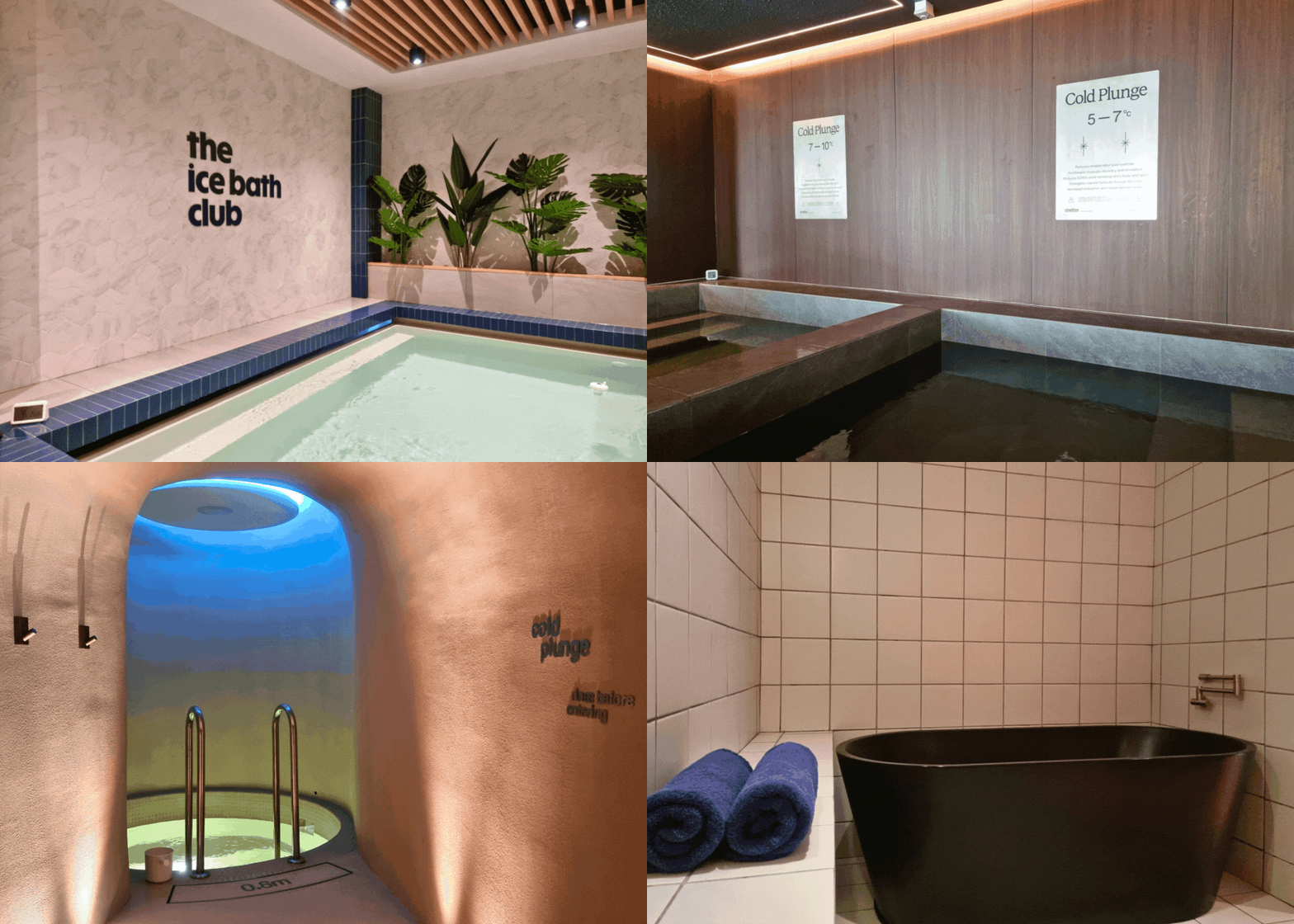
At The Plunge Club, where I experience mine, the temperature dips to 4°C or 8°C. You start in a sauna and alternate between the two heat extremes. It’s surprisingly accessible. You control how long you stay in, focus on steady breathing, and ease yourself out when you’ve had enough. It’s less about endurance and more about awareness.
Research suggests that cold water immersion may help reduce inflammation, stimulate circulation, and activate the parasympathetic nervous system, which plays a role in stress regulation and recovery.
Finding the right space for cold plunging
I chose The Plunge Club because it had the perfect balance of calm and community. It wasn’t about being seen or about who could stay in the cold the longest. It was about showing up for yourself quietly.
The space is simple and beautiful, with curves and calming colours. Unpretentious and friendly, it houses two cold pools, a large sauna, and an area to read, relax and chat between cold plunges – if you feel like it. I’d say it’s the perfect place to spend an hour to reset yourself.
My first few cold plunge sessions
On my first cold plunge, my ankles felt like they were going to explode. I had to talk myself into staying; I must’ve sounded crazy. My body was crying, but my words were saying, “It’s okay, it’s just physical pain, and you can deal with it.” It was like giving birth all over again.
I lasted just long enough to call it three minutes. But when I left, I felt light and clear. I decided this was a routine I wanted to add to my life, so I replaced brunch with a cold plunge at my next friend meet-up, where we gathered for an afternoon of babbling and freezing. It was social wellness, but with laughter and a shared sense of having done something mildly uncomfortable together.
At first, I treated it like a challenge: how long could I last each time? But I quickly realised I didn’t need more discipline or resilience. What I needed was grace, to accept that some days I could stay in for five minutes, and other days, I was done in one and a half. There’s something strangely freeing about that – learning to listen to my body instead of pushing through it.
Cold plunge benefits after three months
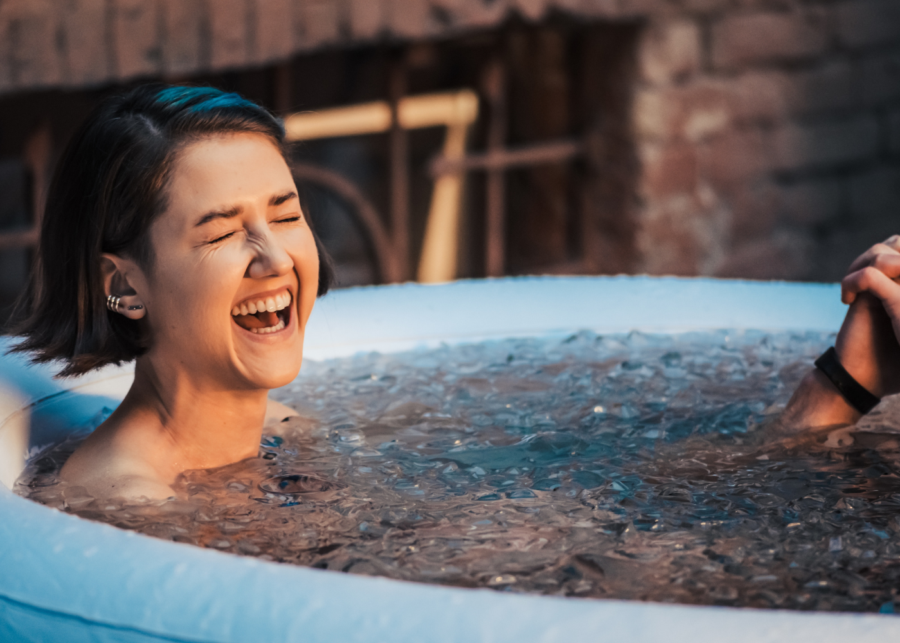
- Improved recovery: Less soreness after workouts and long days.
- Sharper mental focus: Mornings feel clearer and more intentional.
- Stress resilience: Learning to stay calm under physical discomfort translates into everyday life.
- Better social connection: Cold plunging has become a shared wellness ritual, not a solitary habit.
- Mindful decision-making: Healthier choices followed naturally after a session.
The physical benefits of cold plunge came quickly: faster recovery from exercise, clearer mornings, and better focus. But what surprised me most was how it reshaped my social life.
We all have limited time, and longevity now feels less about adding years and more about adding quality to the ones we already have. With cold plunging, I combined two things I care deeply about: connecting meaningfully with people and taking care of myself.
Fun fact: it makes me want to stay on track afterwards. If I plunge before an indulgent evening, I find myself naturally making better choices, as if I don’t want to undo the reset I’ve just given my body.
How to cold plunge: Tips for beginners
If you’re interested in reaping the benefits of a cold plunge session, here’s what I’d recommend:
- Find a space that feels genuine and bring a friend to accompany you.
- Start with a sauna or warm shower to ease your body in.
- Lower yourself slowly into the cold plunge pool.
- Focus on slow, controlled breathing instead of fighting the cold.
- Stay present, not competitive – exit when your body tells you to.
- Warm up gradually afterwards and hydrate.
- Bring a healthy snack to curb the hunger pangs until your next meal.
Would I recommend cold plunging?
We’re all looking for balance; a way to quiet the noise, to feel clear enough to make good decisions and show up better for the people around us. Cold plunging hasn’t solved everything, but it has taught me that wellness doesn’t have to be a solo pursuit. It can be something you share – a ritual that grounds you, rather than an activity you tick off.
Plus, in Singapore’s year-round heat, cold plunging feels especially effective – the contrast makes it easier to feel reset, grounded and alert.
Remember, you don’t have to do it perfectly. Like most things that matter, consistency counts more than intensity. Cold plunging can be beneficial when done right, so give it a shot!
Frequently Asked Questions
What are the benefits of cold plunge therapy?
Cold plunge benefits include improved muscle recovery, better circulation, sharper mental focus, and increased stress resilience. Many people find that cold plunging helps regulate their nervous system and supports mental clarity, making it a popular wellness ritual for physical and emotional well-being.
How long should you cold plunge for best results?
If you’re new to cold plunging, 1 to 3 minutes is enough to experience the benefits. With regular practice, some people work up to 4 or 5 minutes, but longer isn’t always better. Consistency and controlled breathing matter more than duration.
How often should beginners cold plunge?
Beginners can start cold plunging one to two times a week, allowing the body time to adapt. As your tolerance improves, you can increase frequency to two or three weekly sessions. Listening to your body is key. Cold plunging shouldn’t feel forced or overwhelming.
Is cold plunging safe for everyone?
Cold plunging is generally safe for healthy individuals when done mindfully, but those with heart conditions, circulation issues, or who are pregnant should consult a medical professional first. Start slow, avoid pushing through discomfort, and exit the cold plunge if you feel dizzy or unwell.
What temperature should a cold plunge be?
Most cold plunge pools range between 4°C and 10°C. Beginners may find higher temperatures more manageable at first, gradually adjusting as tolerance improves. The goal isn’t extreme cold, but controlled exposure that allows you to stay calm and breathe steadily.
How do you cold plunge as a beginner?
To cold plunge safely, ease into the water slowly, focus on deep, steady breathing, and avoid competing with others on time. Start with short sessions, warm up gradually afterwards, and treat cold plunging as a mindful practice rather than a test of endurance.