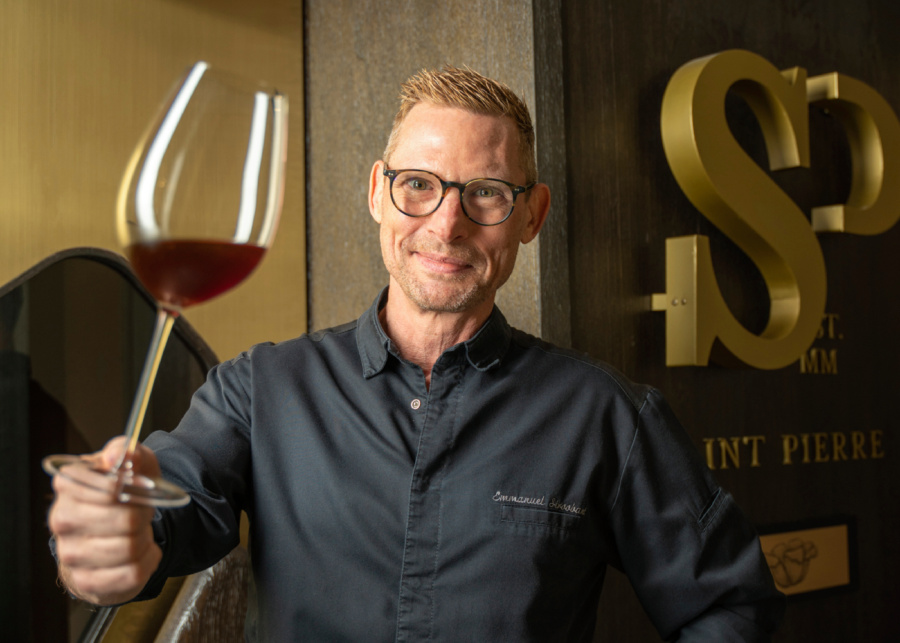
After 25 years in Singapore’s fine dining scene, Chef Emmanuel Stroobant reflects on longevity, evolution, and what it takes to build a restaurant that endures.
In Singapore’s evolving dining scene, chef Emmanuel Stroobant has spent the past 25 years shaping fine dining through his Michelin-starred restaurant Saint Pierre – a rare case of longevity in an industry defined by constant change.
“When we first opened Saint Pierre, I was young and ambitious,” he says. “At that stage, simply getting through daily service felt like the most immediate priority.”
Over time, however, longevity became less about chasing milestones and more about consistency. He describes it as “the result of many small decisions made consistently over time” – a philosophy rooted in discipline, adaptability and patience.
Fine dining today is no longer defined solely by technical precision or luxury, but increasingly by emotional connection, storytelling, and the overall experience of dining itself. We speak to the Belgian chef about the evolution of Singapore’s fine dining landscape, why restaurants struggle to survive long-term, and what meaningful dining looks like today.
Our tete-a-tete with chef Emmanuel Stroobant of Saint Pierre
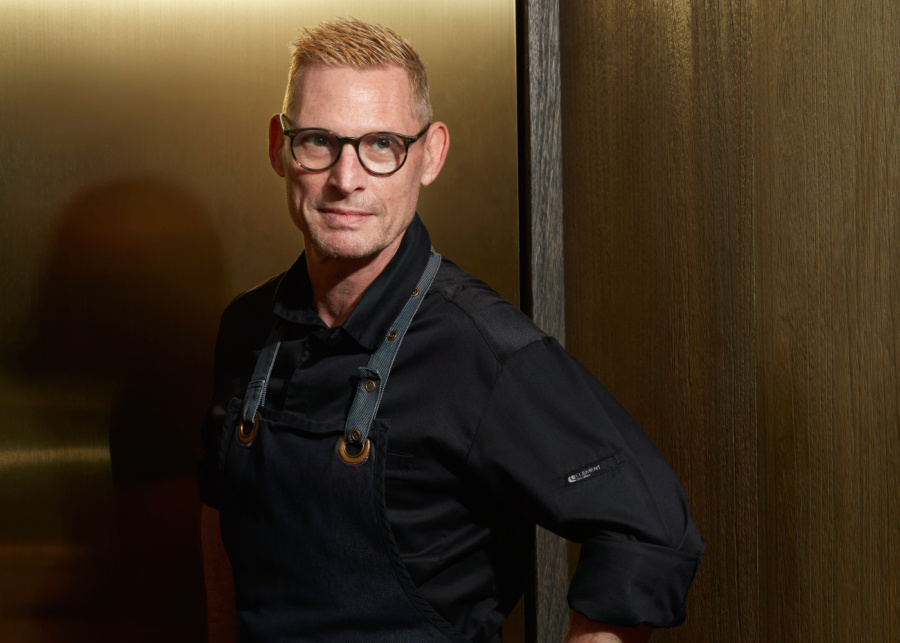
How would you describe Saint Pierre today compared to when it first opened?
Over the years, both my style and the wider definition of fine dining have evolved significantly. One thing that has never changed is our grounding ethos – we were one of the first restaurants to blend classic French techniques with Asian accents, and that’s something we’ve carried forward today.
I’ve always believed dining should feel warm and intimate, like welcoming guests into my home rather than simply serving them a meal. Hospitality is just as important as what’s on the plate. Nowadays, Saint Pierre feels like a personal expression of who I am: French artistry, Asian soul, Singapore legacy.
Saint Pierre has lasted 25 years in one of the world’s most competitive dining cities. What has been the hardest thing to get right over that time?
Maintaining consistency while continuing to evolve. Diners change, expectations shift, trends come and go, so standing still can be dangerous. At the same time, evolution cannot come at the expense of identity.
Building and retaining the right team is another difficult part. A restaurant is never one person. It’s like an orchestra – the experience is only as strong as the collective performance. People often see only the glamour of fine dining, but behind the scenes, it requires enormous discipline, sacrifice, and resilience to get right and sustain.
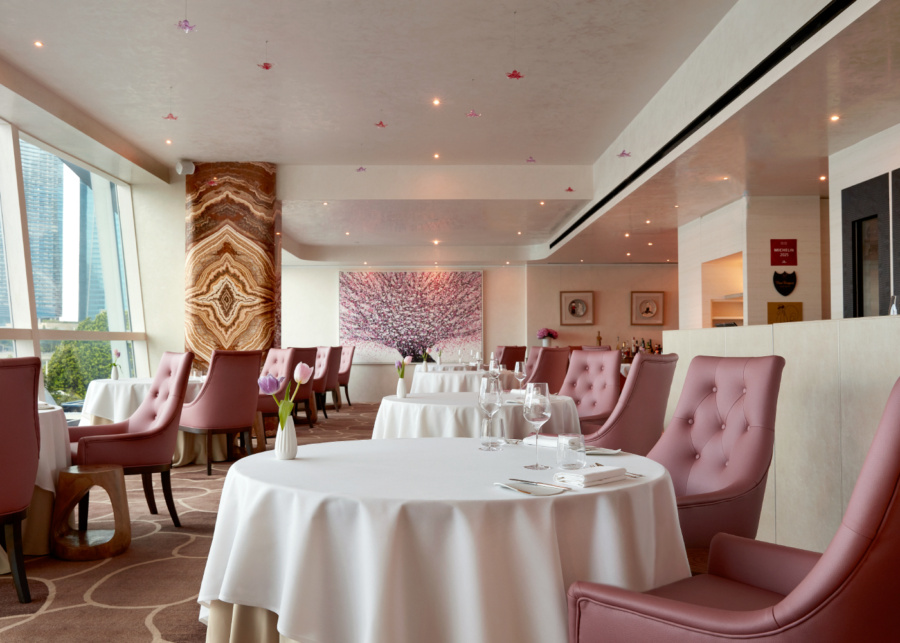
You’ve been part of Singapore’s fine dining landscape since 2000. How would you describe its evolution?
When I first arrived here more than 20 years ago, fine dining in Singapore was still relatively young. Today, we’re one of the most dynamic dining cities in the world.
Diners are far more informed and globally exposed than before. They ask questions about provenance, techniques, and seasonality – and I believe that curiosity ultimately pushes chefs to constantly improve. I also think Singapore has grown far more confident in its own culinary identity. We’re seeing more chefs present Asian flavours with pride.
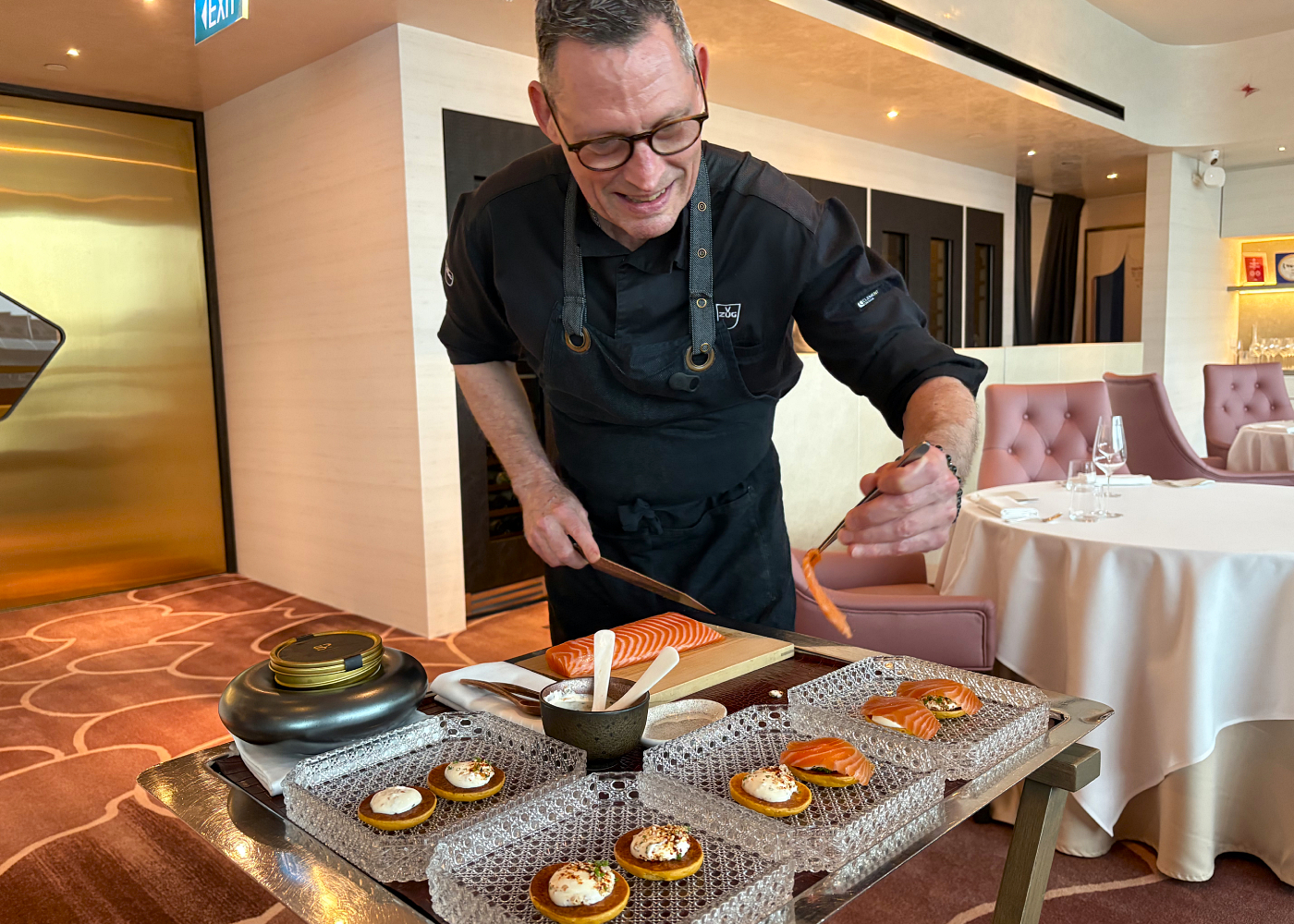
Why do so many restaurants in Singapore struggle to survive beyond the first few years – is it the economics, the expectations, or the model itself?
Singapore is a very competitive market with extremely high operational costs and a very well-informed diner base. Expectations are high from day one, and there is very little room for inconsistency or confusion about what a restaurant stands for. Running a restaurant isn’t only about creativity. It’s also about leadership, discipline and finances.
Social media has accelerated the cycle of trends. Restaurants can become popular very quickly, but maintaining relevance after the initial excitement fades is much harder. Longevity requires patience, and not many have this patience in the industry.
How has your idea of ‘good food’ changed over the years?
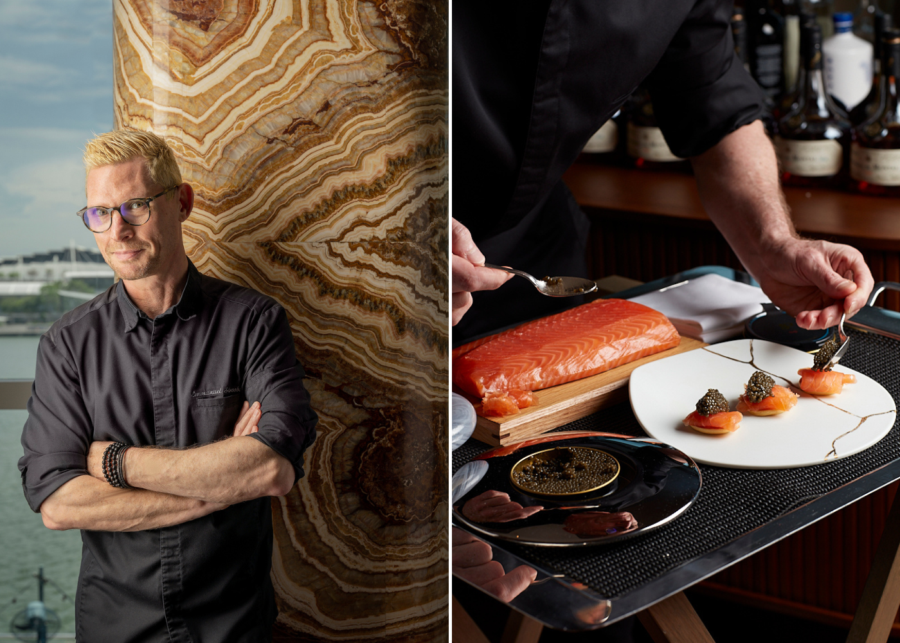
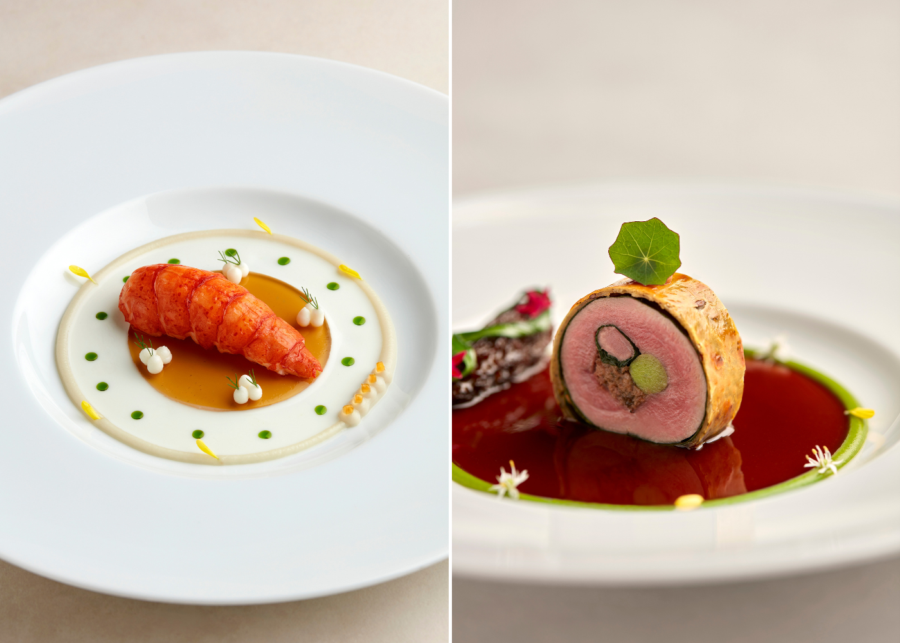
When I was younger, I believed great dishes came from complexity and the use of many ingredients. With time and experience, I realised that’s not necessarily the case. Stripping back a dish is often far more difficult to get right. When you reduce something to only a handful of ingredients, there is nowhere to hide.
Now, I find myself drawn more towards balance and clarity of flavour, rather than complexity for the sake of it.
I also think good food should make people feel good after eating it, not just impressive in the moment.
Where do you think fine dining in Singapore is heading over the next decade?
The future of fine dining will become increasingly about the experience as a whole. Emotional connection will be more important than ever. Guests are looking for meaning now – not just luxury for the sake of it. There will likely be a greater focus on sustainability through traceability, wellness and conscious sourcing.
I also think Asian flavours and Singapore’s own culinary identity will become even more prominent on the global stage.
You’ve spoken about wellness and mental health in the F&B industry. Do you think the industry has made real progress in how it supports the people working in it?
When I first started cooking, the culture in kitchens was very different. Long hours, extreme pressure and burnout were often normalised. Today, there’s more awareness around mental health and work-life balance, which is encouraging. Younger chefs are far more vocal about protecting their well-being, and I think that’s healthy for the industry.
I also realised that fear may create discipline temporarily, but it doesn’t create long-term loyalty, growth or a healthy working culture. A kitchen performs better when people feel respected, motivated, and calm.
When you think about the meals your children will grow up remembering, does it change how you approach cooking today?
Becoming a parent changes your perspective on many things, including food. I started Mycelium Catering, an institutional catering arm under Food Inc, after my daughter pointed out the gap that exists between nutrition and school meals.
You realise that the meals people remember most are not always the most luxurious or elaborate ones. Often, they are the meals attached to emotion, comfort and the memory of being together.
That’s why Saint Pierre has remained an intimate space. I want guests to feel as though they are entering my home and sharing something personal and meaningful.
A quiet study on longevity
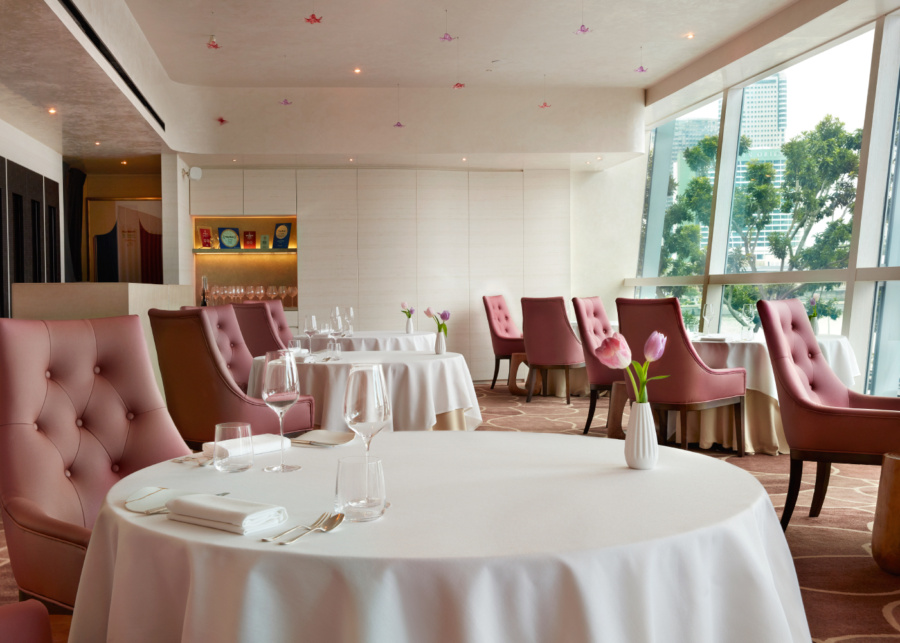
Twenty-five years on, Chef Emmanuel Stroobant’s approach to cooking and running Saint Pierre is rooted in a simple idea: consistency over excess, and experience over spectacle. Across changing diners, shifting trends, and an evolving Singapore dining scene, the throughline remains the same: thoughtful food, quiet discipline, and a deep sense of hospitality.
At its heart, the modern French fine dining restaurant is less about reinvention and more about refinement – a restaurant shaped as much by its people as by its philosophy, where technique, emotion, and connection sit comfortably on the same plate. Experience Saint Pierre firsthand by visiting it today!
