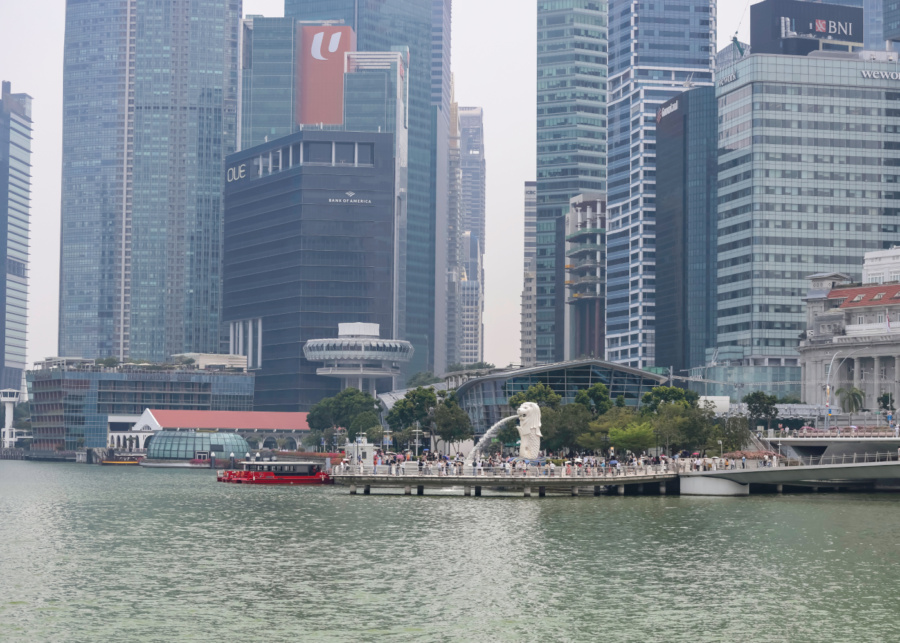
Haze in Singapore can be a literal headache. Here's what you need to know to stay safe when air quality deteriorates.
Singapore may be known for its year-round heat and humidity (with the occasional rainfall), but our little red dot has another seasonal visitor: haze. Why do we experience this smog invasion and what can we do to protect ourselves when air quality deteriorates? Here’s everything you need to know about haze in Singapore. P.S. Keep your home fresh and breathe easy with help from these air purifiers in Singapore.
Haze in Singapore: Your questions, answered
What causes haze in Singapore?
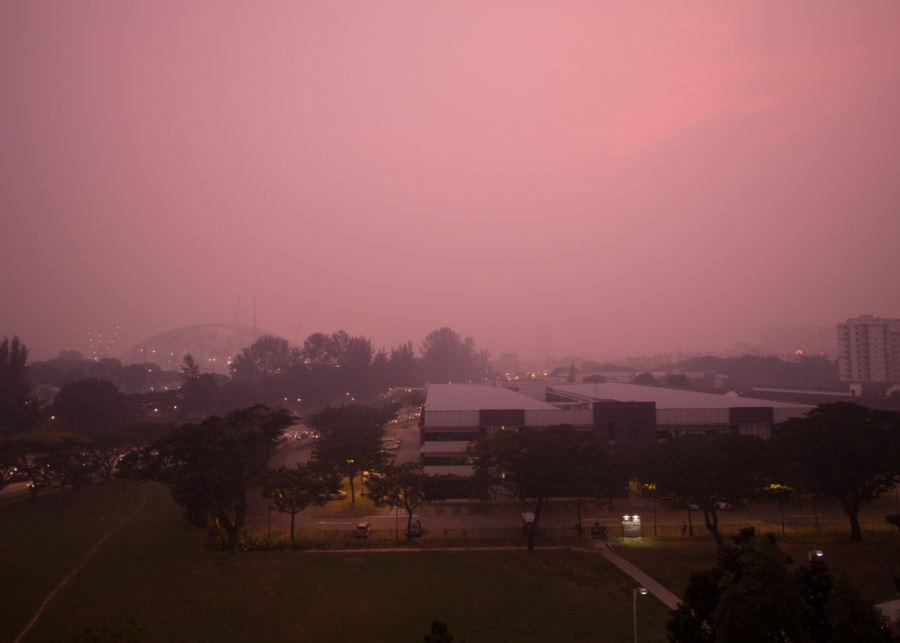
Unlike regular weather conditions, haze is predominantly caused by fires in the region, including forest and land fires associated with land clearing and agricultural activities. Dry conditions, low rainfall and changes in wind direction can make the situation worse.
When is haze season in Singapore?
There’s no set calendar date for when haze hits Singapore, though the risk is typically higher during the Southwest monsoon period, particularly between August and October. Our city experienced severe haze in 2015, when air quality reached the hazardous range and events including the F1 Singapore Grand Prix were affected.
What is PSI and what do the different levels mean?
The Pollutant Standards Index (PSI) measures Singapore’s air quality and indicates the severity of the smoke haze. There are five levels: good (0 to 50), moderate (51 to 100), unhealthy (101 to 200), very unhealthy (201 to 300) and hazardous (above 300).
When the 24-hour PSI is in the good to moderate range, normal activities can generally continue. Once it reaches the unhealthy range, healthy people should reduce prolonged or strenuous outdoor physical activities, while children, pregnant women and older folks should minimise it. Those with chronic heart or lung conditions should avoid being outdoors.
It’s also worth checking the 1-hour PM2.5 reading for immediate outdoor plans. This provides more timely guidance on whether you can exercise or spend time outdoors.
What’s the difference between PSI and PM2.5?
The PSI is an overall air-quality index calculated using six pollutants: fine particulate matter (PM2.5), particulate matter (PM10), sulphur dioxide, nitrogen dioxide, ozone and carbon monoxide. PM2.5 refers specifically to tiny particles measuring 2.5 micrometres or smaller, and is the main pollutant during smoke haze.
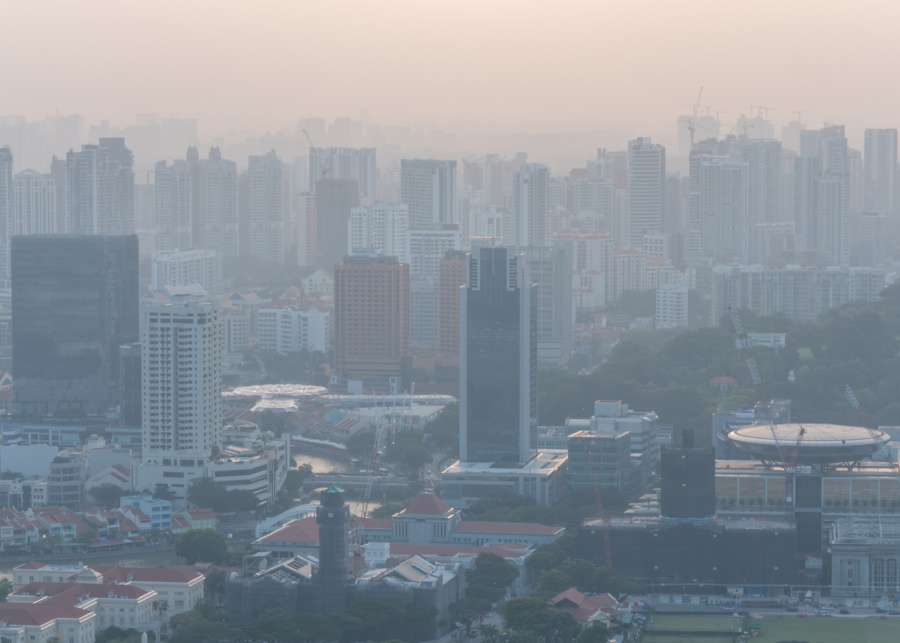
Why does Singapore use the 24-hour PSI instead of the 1-hour PM2.5 reading?
The 24-hour PSI serves as a guide for you when planning the next day’s activities and events, which might take place over several hours. Meanwhile, the 1-hour PM2.5 reading is for immediate decisions, such as whether you should head out for a walk or join that running club in Singapore. Think of it as checking the weather forecast before planning tomorrow’s picnic, then looking out the window before deciding whether to leave the house right now.
Why is the air quality worse in some parts of the island?
Haze doesn’t necessarily blanket the whole of Singapore evenly, so air quality can vary from one area to another. Wind direction, weather conditions and the movement of smoke haze can affect how easily particulate matter disperses. This is why you might see a higher 1-hour PM2.5 reading in one part of Singapore while another area remains in the normal range.
Should I still wear sunscreen when outdoors?
Of course! Hazy skies may make the sun look less intense, but that doesn’t mean you should skip your sunscreen. UV rays can still reach your skin, so keep applying (and reapplying) sunscreen as part of your routine.

How does haze affect you?
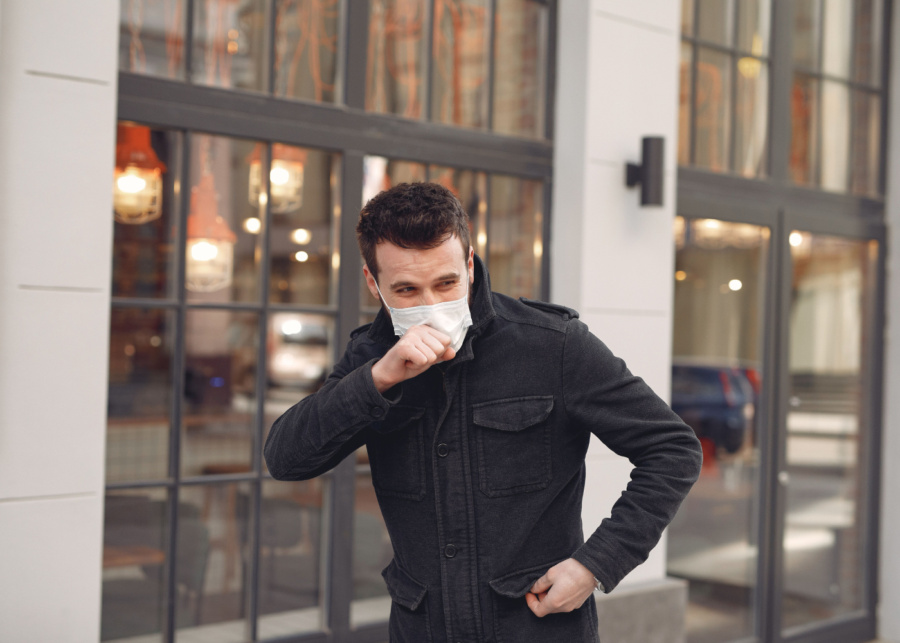
Short-term exposure to haze can cause symptoms such as nasal irritation, a scratchy throat, increased tearing, coughing, wheezing and difficulty breathing. The effects can be more pronounced in people with existing heart or lung conditions.
The health impact of haze depends on a person’s health status, the level of air pollution, and the duration and intensity of outdoor activities. If you feel unwell or develop symptoms during a haze episode, seek medical attention, especially if you’re in a vulnerable group.
Do I need to wear an N95 mask during haze?
Not necessarily. However, an N95 mask can help reduce exposure to fine particles if you need to spend several hours outdoors when air quality is poor.
Can haze affect indoor air quality?
The answer is yes. Surprise! Staying indoors doesn’t mean you’re completely shielded from haze. Fine particles can enter buildings through fresh-air intakes, openings and gaps, and indoor particulate levels can build up. Air-conditioned buildings aren’t automatically haze-proof either.
How can I keep my home haze-free?
Keep windows and doors closed as much as possible. Using an air purifier with a suitable HEPA (High-Efficiency Particulate Air) filter can help reduce fine particles indoors, while keeping indoor sources of pollution such as smoking to a minimum. When outdoor air quality improves, open your windows and doors to ventilate your home. You can also wet-clean surfaces instead of dry-dusting, as this may stir settled particles back into the air.
Are pets affected by haze?
Our furry friends aren’t immune to poor air quality either. If haze levels are elevated, reduce the amount of time your pets spend outdoors. Keep an eye out for unusual coughing, breathing difficulties or other signs that your pet isn’t feeling well. If your pet has an existing respiratory or heart condition, speak to your vet about additional precautions you should take.
How do you relieve irritation caused by haze?
If you’re experiencing mild symptoms, reducing your exposure to haze and spending time in cleaner indoor air may help. Stay hydrated and avoid smoking! If symptoms persist, worsen or become concerning, consult a doctor rather than self-treat indefinitely. People with chronic heart or lung conditions should ensure their prescribed medication is readily available.
Where can I check Singapore’s latest PSI and PM2.5 readings?
Check the NEA website, haze.gov.sg or the myENV app for the latest readings and health advisories.
And there you have it: your handy guide to haze in Singapore. Stay safe, everyone!
