Hari Raya Puasa marks the end of Ramadan for Muslims. From traditions and greetings to festive food and events, here’s what to know about the Aidilfitri celebration.
After observing Ramadan in Singapore, the Muslim community celebrates Hari Raya Puasa, also known as Hari Raya Aidilfitri. While many people associate the festival with delicious food and colour-coordinated outfits, there’s much more meaning behind the celebration. Here’s what you need to know about Hari Raya Puasa in Singapore, which tentatively falls on 21 March 2026.
What is Hari Raya Aidilfitri or Hari Raya Puasa?
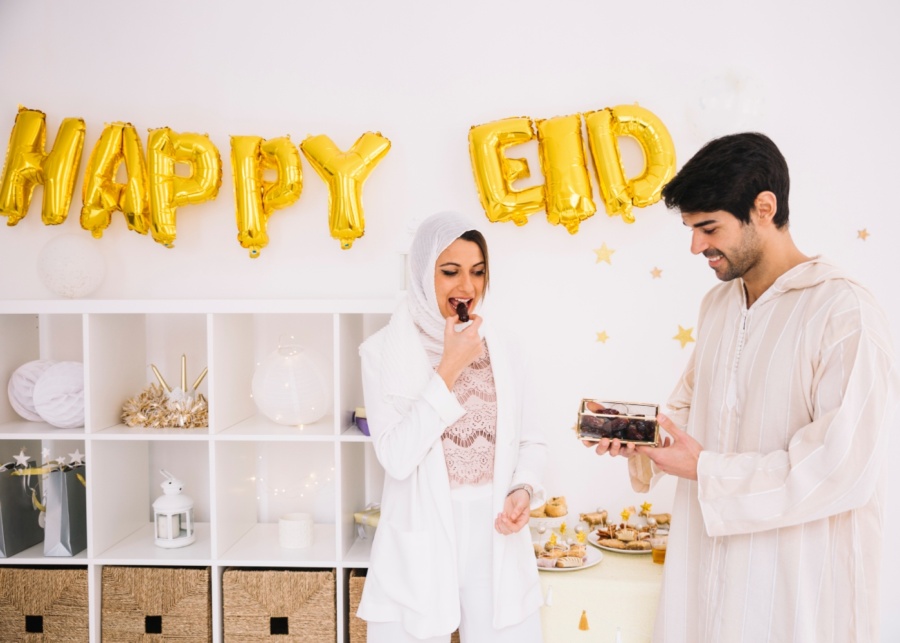
Hari Raya Aidilfitri, or Eid al-Fitr, is one of the two major Islamic festivals celebrated worldwide. The name can be translated as “Festival of Breaking Fast”, marking the end of Ramadan. That’s why it’s also called Hari Raya Puasa, particularly here in Singapore and Southeast Asia.
When is Hari Raya Puasa 2026 in Singapore?
The celebration occurs on the first day of Syawal, the 10th month in the Islamic calendar. The date is determined by the sighting of the new moon, which is why the exact day shifts 10 to 11 days earlier every year. In 2026, it’s expected to fall on 21 March in Singapore.
While officially one day, Singapore and Malaysia often extend festivities across the entire month. Families visit friends and relatives, hosting open houses to share food and strengthen social bonds.
Is there a spiritual meaning behind the celebration?
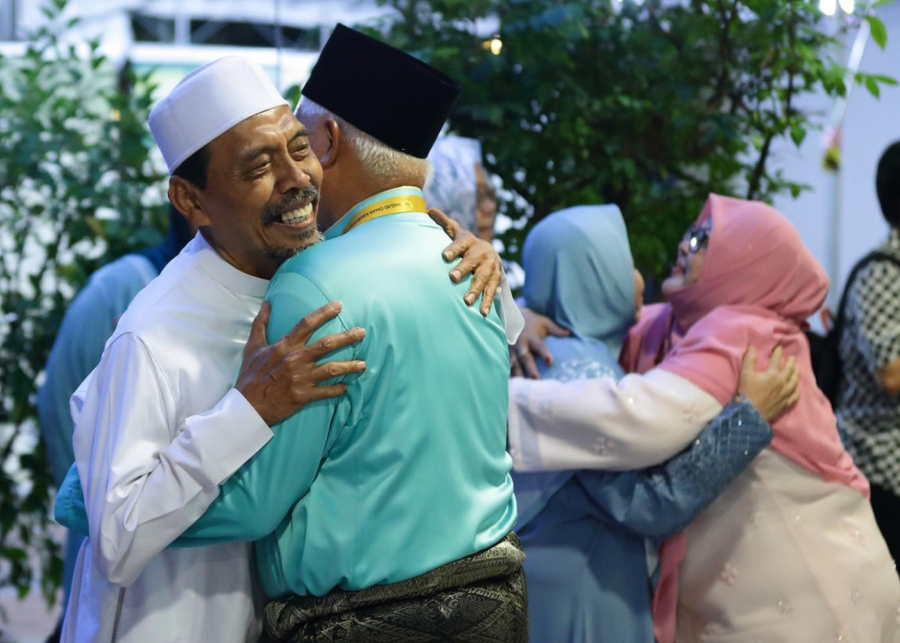
Beyond the feasts and festivities, Hari Raya Aidilfitri is a time for gratitude, reflection, and togetherness. Muslims thank Allah for giving them the strength to complete Ramadan, seek forgiveness for wrongdoing, make amends, and provide charity to those in need.
How do Muslims prepare for Hari Raya Puasa?
1. Spring cleaning

Just like Chinese New Year in Singapore, families will partake in a thorough spring cleaning of their homes. This can include repainting, decorating, and even purchasing new furniture! Don’t have the time or need an extra pair of hands around the house? Check out our home cleaning services in Singapore guide for the best little helpers.
2. Getting new clothes for Hari Raya

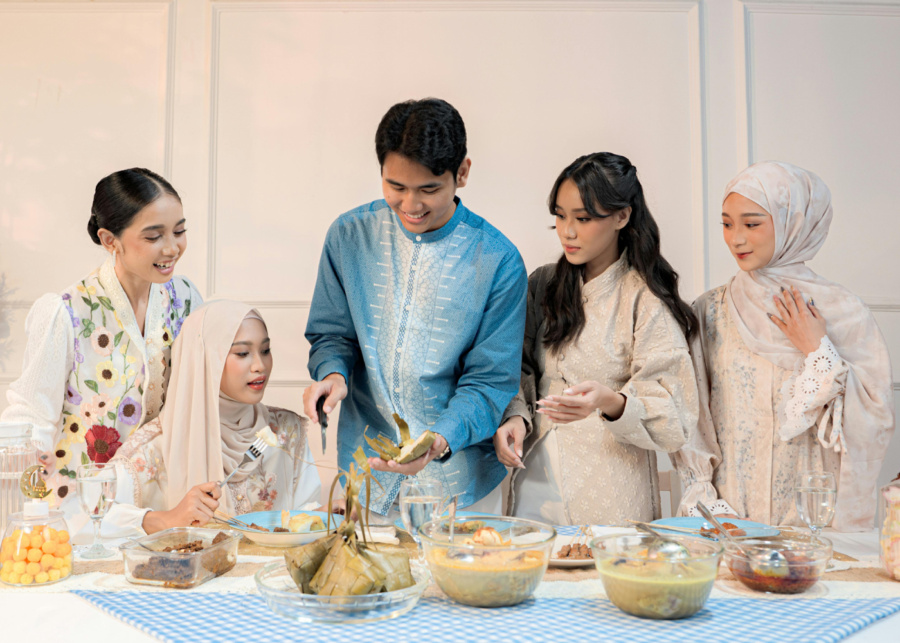
Many wear traditional attire, like baju kurung or baju Melayu, often colour-coordinated to show family harmony. Doing this livens and adds joy to the occasion. Plus, it looks good when you need to take photos. Here’s a detailed breakdown on the various baju raya you can get in Singapore. Ladies, pair them with the prettiest hijabs in Singapore.
3. Cooking traditional food and baking kuihs

They’ll also start cooking traditional cuisine such as rendang, lontong, and satay. Some families will prepare cookies and treats like pineapple tarts and kuih bangkit. Those who don’t have the time (and energy) will order from halal restaurants in Singapore, halal bakeries in Singapore, or home-based businesses in Singapore selling kuih raya (and halal snacks).
4. Preparing green packets
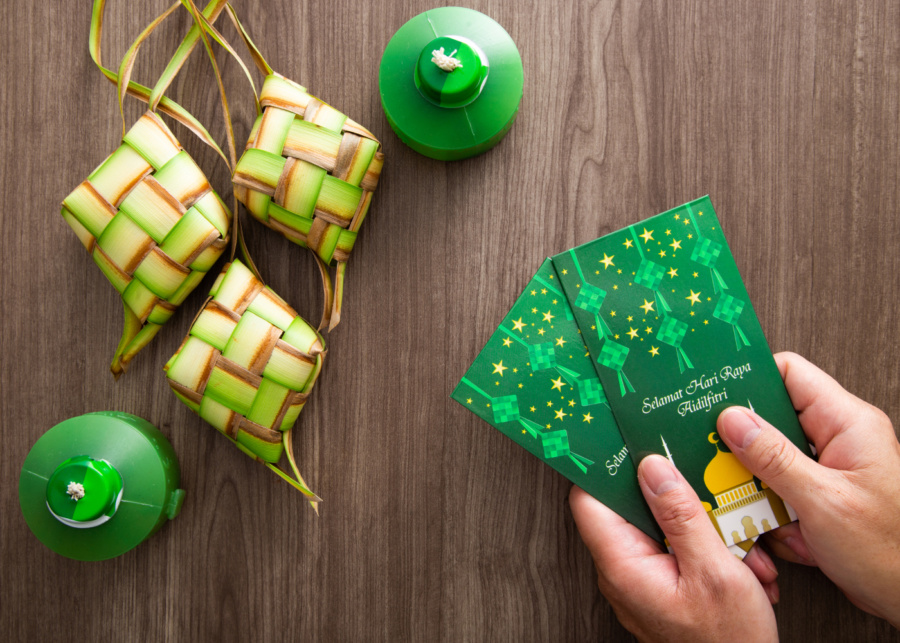
Typically, adults give out green packets – also known as duit raya – to children, relatives, and helpers as a gesture of goodwill and blessings. The amount varies based on your budget and relationship. Psst: keep an eye out for our Hari Raya etiquette in Singapore guide, which dives deeper into this tradition and more!
5. Gifting Hari Raya hampers
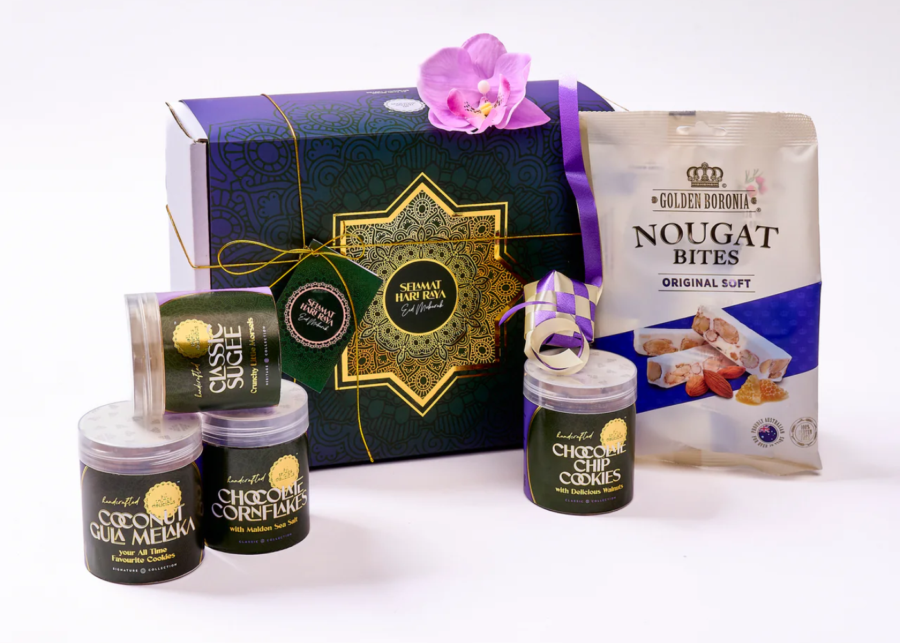
Besides giving out traditional green packets, many households also prepare Hari Raya hampers filled with food, snacks, and goodies as gifts for hosts or visiting guests. It’s an easy way to spread joy (and deliciousness!) during visits. Check out our guide to Hari Raya hampers in Singapore for inspiration and places to buy them.
What happens on the day of Hari Raya?
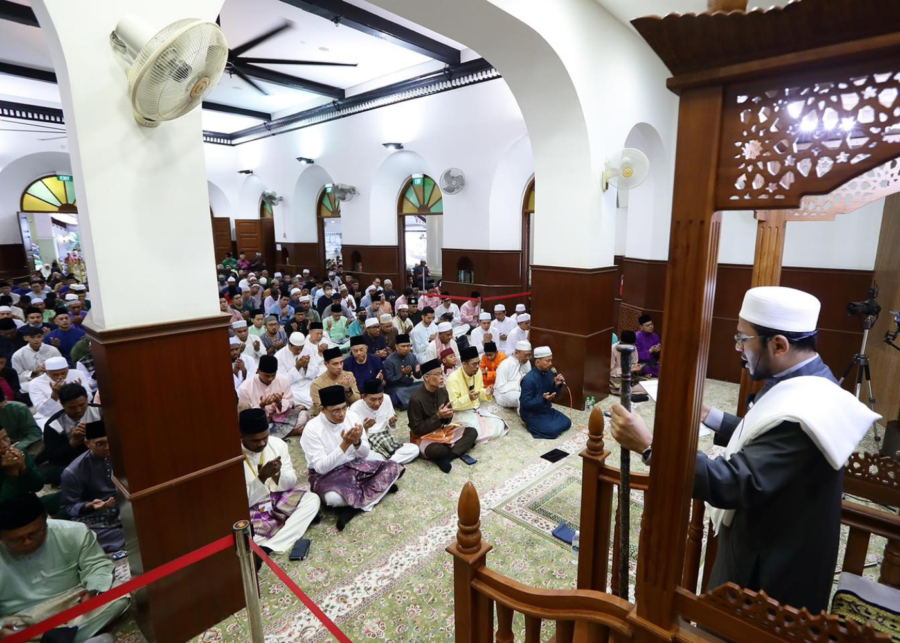
Muslims attend special Eid prayers in the morning at designated prayer spaces or mosques in Singapore. After the prayers, families gather to exchange greetings and well-wishes before they savour the festive delicacies.
Some families also pay respects to deceased loved ones by cleaning and decorating gravesites to honour their memory. This sometimes happens on the first day of Hari Raya Puasa, before relatives begin visiting one another.
What are the standard Aidilfitri greetings?
The most common greeting you can use is “Selamat Hari Raya Puasa” or “Selamat Hari Raya Aidifitri”, which means “Happy Hari Raya”. You can follow up with “maaf zahir dan batin”, which loosely translates to “I seek forgiveness from you”. Alternatively, you can say “Eid Mubarak” to the Muslim folks.
Can non-Muslims take part in Hari Raya?

Of course! Singapore is a multicultural country; everyone can participate in all cultural festivals, regardless of race or religion. Remember what we said earlier about open houses? Don’t decline an invitation if you’ve received one. Ultimately, Hari Raya is a time when everyone can unite and strengthen social ties.
Are there any Hari Raya events in Singapore?
If you wanna soak up the festive atmosphere outside of open houses, look no further. Singapore hosts plenty of Hari Raya-themed programmes, performances, and community celebrations throughout the month.
1. Hari Raya community events by the People’s Association
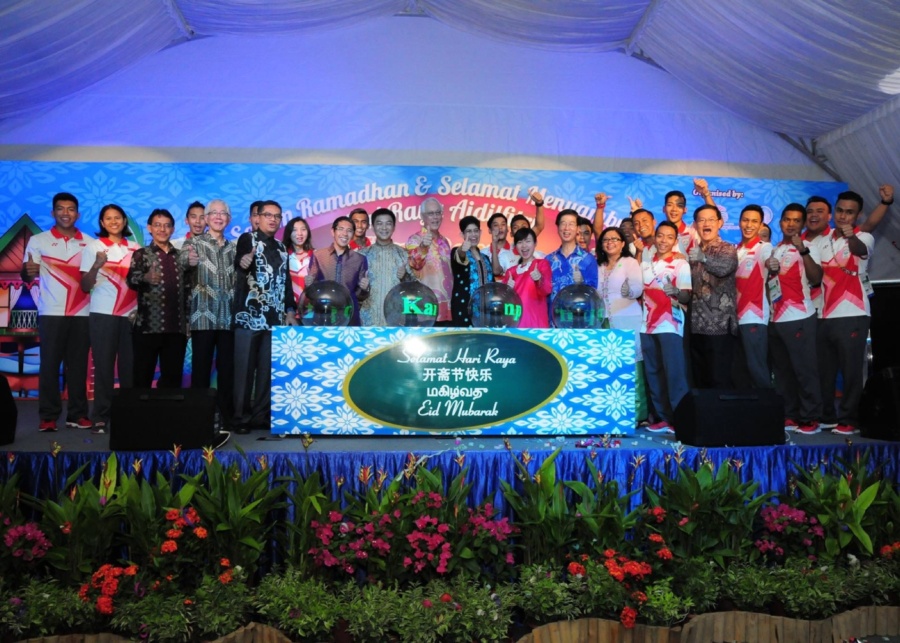
Many neighbourhood community clubs organise festive programmes, from communal gatherings and light-ups to cultural activities and celebrations for residents. These events take place across Singapore and run throughout the festive period. Check out the People’s Association’s official event listings to see what’s happening near you.
2. Mediacorp Hari Raya 2026 specials
Prefer celebrating from the comfort of your couch? Mediacorp rolls out a festive line-up of programmes every year, including the popular variety show Sinar Lebaran, which runs on the eve of Hari Raya. It’s a staple part of the Hari Raya viewing experience for many households. Telemovies, children’s programmes, and other entertainment shows will also play during the season.
3. Pesta Raya – Malay Festival of Arts 2026
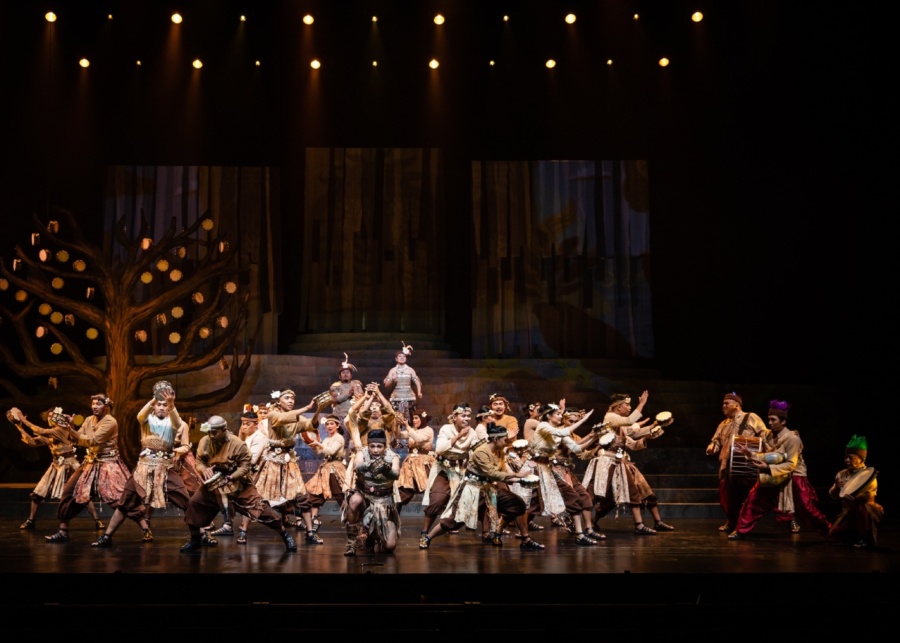
Held at Esplanade, Pesta Raya – Malay Festival of Arts celebrates the richness of Malay culture through theatre, dance and music from across the Nusantara. This year’s edition runs from 16 to 19 April 2026, showcasing performances and artistic works inspired by Malay heritage.
Selamat Hari Raya Aidilfitri, maaf zahir dan batin! Celebrate with your friends and family, and enjoy the festive season to the fullest.
Frequently Asked Questions
When is the exact date of Hari Raya Puasa in 2026?
The official date is 21 March 2026. This marks the first day of the month of Syawal. Since it falls on a Saturday, many companies observe the following Monday (23 March 2026) as a public holiday or offer a day off-in-lieu.
What are the must-eat festive dishes?
The Hari Raya table is a legendary spread. Look out for:
- Ketupat: Diamond-shaped rice cakes woven in coconut leaves.
- Sayur lodeh: A rich vegetable stew in coconut milk.
- Sambal goreng: Stir-fried beancurd, tempeh, and long beans.
- Serunding: Spiced coconut flakes (meat or vegetable).
- Kueh raya: An endless array of cookies, including Tapak Kuda (hoof-shaped cake) and pineapple tarts.
Where can I see the festive lights?
The Hari Raya light-up along Geylang Road and Sims Avenue is a must-see. The lights remain illuminated until late March 2026, making for a perfect evening stroll even after the public holiday has passed.
What should I wear if I'm invited to an open house?
While you don't need to wear a Baju Kurung, modest dress is appreciated.
- For her: A maxi dress or a long skirt and top (avoiding very short or sleeveless outfits).
- For him: Long trousers and a button-down shirt or polo.
Note: Always remember to remove your shoes before entering a home.
What are the viral foods for Hari Raya Aidilfitri 2026?
Aside from the classic rendang and lodeh, this year's trend is the tapak kuda (hoof cakes) in experimental flavors like pistachio kunafa and biscoff crunchy.
Will restaurants be closed on the first day?
Many Muslim-owned cafes and stalls will be closed for the first two to three days of the celebration as families prioritise home visiting. However, major hotel buffets and halal-certified chain restaurants in malls will remain open.