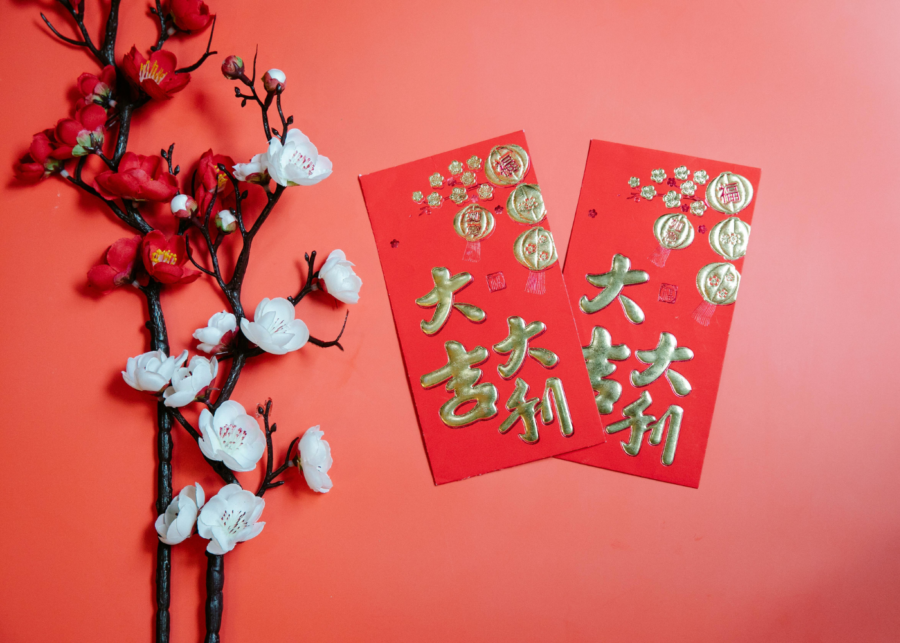
Got questions about Chinese New Year ang bao rates and etiquette in Singapore? Here's how to navigate the red packet exchange during CNY.
If you’re part of the red packet giving gang during Chinese New Year in Singapore, knowing the ang bao rates is essential. From parents and grandparents to colleagues’ kids and domestic helpers, knowing how much to put in a red packet can feel like a delicate balancing act — especially with rising costs of living. Chinese New Year traditions say that cheery vibes during the festive season can give you good fortune throughout the year! Don’t worry: whether you’re a CNY newbie or someone who just got married, here’s a beginner’s guide to CNY ang bao rates and rules in Singapore.
Chinese New Year 2026 ang bao guide in Singapore

How much to give for Chinese New Year red packets in Singapore
- Parents, partners & grandparents: $88 – $1,888
- Children: $88 – $288
- Siblings & cousins: $58 – $188
- Nieces & nephews: $28 – $80
- Kids of friends and colleagues: $8 – $20
- Domestic helpers: $18 – $80
- Service workers: $2 – $10
These Singapore CNY ang bao rates are a general guide. How much you give can vary depending on your family and your financial situation, but it’s customary to give more to closer family members and friends.

Who gives ang baos during Chinese New Year in Singapore?
Traditionally, red packets are handed out by married couples. They’re typically given to elders like grandparents and parents, as well as unmarried adults and kids, and anyone else (like service workers or employees) that you’d like to bless. Fun fact: some newlyweds get a free pass in their first year of marriage – but this depends on family traditions, so it’s best to double-check with your elders.
Here’s a thoughtful twist: if you’re single but want to bless your parents, you can give them an ang bao as a heartfelt way to show your love and appreciation during the festive season. All that said, modern practices are flexible – no one expects you to overextend yourself financially.
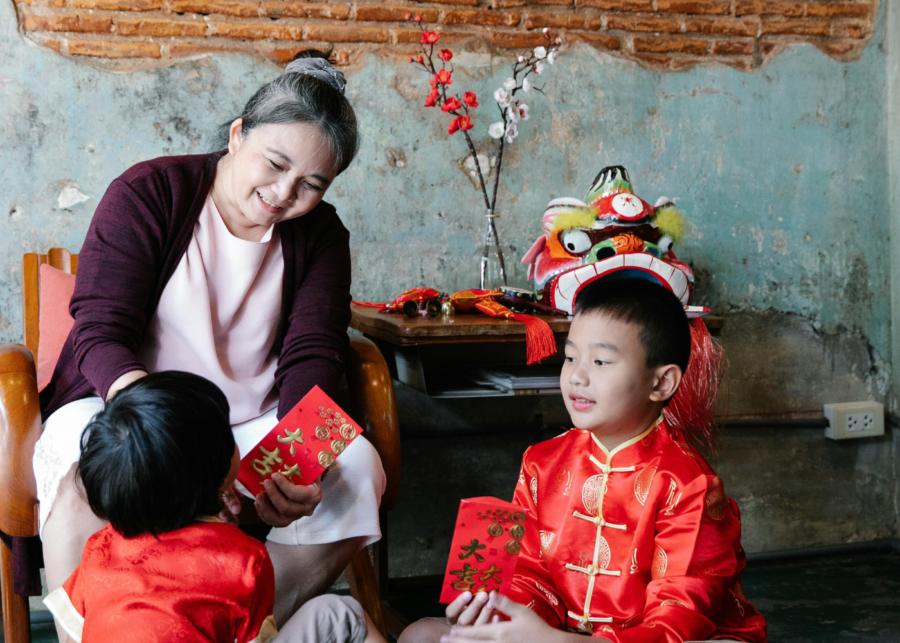
Why do we give ang baos during Chinese New Year?
Giving red packets is about spreading goodwill and wishing others good fortune. It’s a meaningful gesture, but don’t stress yourself out trying to hit a certain amount – it’s the thought that counts. So, stick to what feels right for your budget.
That said, it’s always lovely to show appreciation to the people who make a difference in your daily life. Think of the security guard at your condo, the office janitor, your helper, or the hardworking migrant worker who keeps your HDB block spotless.

Chinese New Year ang bao etiquette in Singapore
Use auspicious numbers: Amounts ending in 8 are considered auspicious in Chinese culture, as the number symbolises wealth and prosperity. That’s why amounts like $8, $18, or $88 are crowd favourites. Avoid any amount with the number four – it’s traditionally linked to death and bad luck. Oh, and stick to even numbers for your ang baos, as the Chinese believe “good things come in pairs”.
Get new notes (when possible): Swing by the bank or ATMs early to snag crisp bills before the queues grow. In Chinese tradition, new things symbolise fresh beginnings. It’s all about that “out with the old, in with the new” vibe during CNY.
Digital ang baos are acceptable with the younger crowd: E-ang baos are increasingly common, especially among younger Singaporeans. Banking apps make it easy to send money instantly. However, physical red packets are still preferred for elders and traditional family gatherings. When in doubt, stick to the classic paper ang bao.
Give and receive with two hands: This is a sign of respect, especially when giving ang baos to elders. And don’t skimp on the well wishes. A cheerful “Xin Nian Kuai Le” (Happy New Year) or “Gong Xi Fa Cai” (Wishing you prosperity) does the trick.
Don’t open ang baos immediately: Resist the urge to tear open your red packet in front of everyone. It’s considered bad manners to count cash in public. Instead, save the excitement for when you’re back home – privacy makes it all the sweeter!
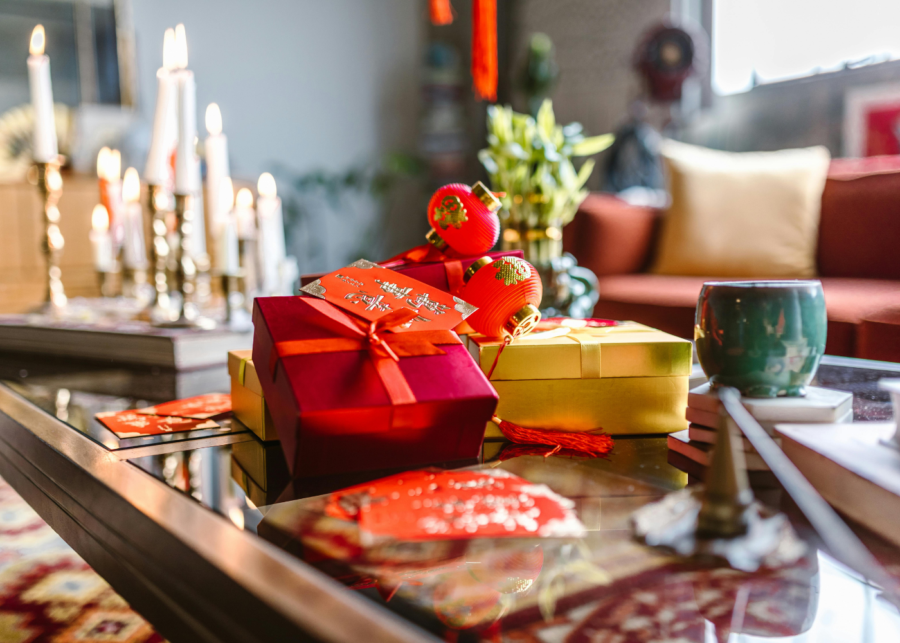
Giving Chinese New Year ang baos on a budget in Singapore
Ang baos are about blessings, not pressure. If you’re watching your spending, give within your means. Smaller amounts are fine for distant relatives or acquaintances, and a sincere greeting can mean more than the dollar value. Remember: giving ang baos should feel joyful, not stressful.
Whether you’re giving $8 or $88, ang baos are about spreading good fortune and goodwill during Chinese New Year. Follow local etiquette, choose an amount you’re comfortable with, and enjoy the festive season with your family and friends.
With this handy guide to ang bao etiquette and rates, you’ll be ready for Chinese New Year 2026 in no time!
Frequently Asked Questions
What are the typical CNY ang bao rates in Singapore?
CNY ang bao rates in Singapore vary based on your relationship with the recipient. Close family members like parents and grandparents usually receive higher amounts, while friends’ children, service workers, and acquaintances typically receive smaller sums. Ultimately, the amount you give should reflect your personal budget and family traditions.
What is the minimum ang bao amount in Singapore?
$2 to $8 is commonly considered an acceptable minimum ang bao amount in Singapore for acquaintances, distant relatives, and service workers.
Do singles need to give ang baos during Chinese New Year?
Traditionally, only married couples give ang baos. However, modern practices in Singapore are flexible, and some single adults choose to give ang baos to their parents as a gesture of appreciation.
Is it okay to give digital ang baos in Singapore?
Yes, digital ang baos are increasingly accepted in Singapore, especially among younger family members, friends, and colleagues. However, physical red packets are still preferred when giving ang baos to elders or during traditional family gatherings.
Do I need to use new notes for ang baos in Singapore?
Using new notes is traditional, as they symbolise fresh beginnings. While many people in Singapore try to give new notes during Chinese New Year, clean and neatly folded notes are perfectly acceptable if new ones aren’t available.
Do I need to give ang baos to my colleagues in Singapore?
There’s no strict rule. It’s based on workplace culture and personal preference. Many people give to colleagues’ children, but giving to adult colleagues is optional.
