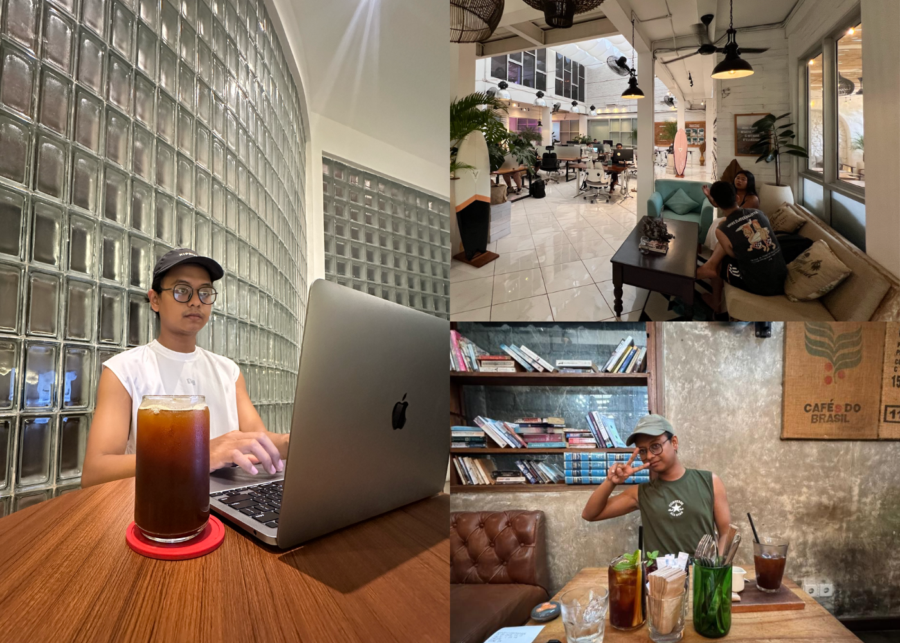
Working remotely from Bali sounds like a cliché someone dreamed up to sell coworking memberships, and yet here we all are...
Plot twist: most digital nomads in Bali really do live the life their Instagram feeds promise, sunset sessions and all (I should know, I made the move myself!). I came over from Jakarta, swapped the brutal commutes and office strip-lighting for a scooter and a laptop, and worked out pretty fast which parts of the fantasy are real and which are just good lighting.
The happy news is, most of the dream holds up. Bali is one of the easiest places in the world to live and work remotely right now: there’s a one-year remote worker visa if you earn enough to qualify, and you can live well on roughly USD 1,500 to 2,500 a month. Plus, if you earn USD, it’s even cheaper now that the rupiah is sitting around 18,000 to the dollar (you can read all about it here).
So here’s the full guide to working from Bali as a digital nomad, tried and tested by me. Let’s get into it!
Why trust this guide
Last year, I left Jakarta behind and moved to Bali to chase my dream job in editorial (and I’m grateful I did!). So I know the adjustment wasn’t always easy. Even as an Indonesian, moving here meant settling into a new territory with a culture far thicker and more lived-in than I was used to. This is the guide I wish I’d had when I made the leap, every recs here is honest and filled with places I’ve actually tried myself.
Bali for digital nomads: the TLDR
- The visa: Working remotely is legal on the E33G Remote Worker Visa if you earn around USD 60,000 a year from foreign sources. A tourist visa won’t cut it, even if all your clients are overseas.
- The cost: Around USD 1,500 to 3,000 a month is needed for a comfortable setup, made easier right now by a weak rupiah.
- Where to base yourself: Canggu for the social scene, Pererenan for a slightly calmer version of it, Ubud if you want more focus and nature, Uluwatu for surfers, and Sanur for a slow local pace.
- Where to work: Laptop-friendly cafes and proper coworking spaces are everywhere.
Do you actually need a visa to work remotely in Bali?
Short answer is yes. You can absolutely live and work remotely in Bali legally, but only on a visa that actually permits it, and a tourist visa does not cover remote work, even if every one of your clients is on the other side of the planet.
Here’s the part a lot of nomads still don’t clock: Indonesian immigration cares about where your body is, not where your money comes from, so if you’re physically in Bali doing professional work, even for an overseas client, it counts as work. And it isn’t the wink-and-nudge situation it used to be. Enforcement has tightened, right down to immigration checking social media for “working from Bali” posts and coworking tags (I covered the update on our Instagram here). Get caught working on the wrong visa and the usual penalty is deportation, a huge fine, and a ban of six months to two years, at your own expense.
So here are Indonesian visa options for digital nomads:
The E33G Remote Worker Visa
This is the one specifically built for digital nomads. Launched in 2024, it lets you live in Bali for a year (renewable up to five) while working for a company or clients based outside Indonesia. The big catch is the income bar: you’ll need to show around USD 60,000 a year from foreign sources, backed up with bank statements and a contract or proof of business. The upside, beyond being fully legal, is that your foreign income stays tax-free for the first few years and you can stop doing visa runs entirely. Budget somewhere in the USD 300 to 900 range for the E33G Remote Worker Visa, depending on whether you handle it yourself or use a visa agent.
The C-Type Visit Visa
Don’t clear the USD 60,000 bar or just want to test the waters first? The C-Type Visit Visa (previously B211A) gives you up to 180 days in Indonesia, but it does not permit work of any kind. Plenty of people use it to come over, find their feet first and sort their documents, then switch to the E33G once they qualify. Treat it as a look-around pass, not a working visa.
The visa is the only part of moving to Bali I haven’t done myself, because I’m Indonesian. But what I can tell you is that every friend who’s made the move recently went the E33G route, and not one of them regrets paying for the peace of mind. The rules also seem to change all the time, so for the fine print, current fees and the application steps, check with a reputable visa agent or the official eVisa site before you commit to anything.
Good to know: Spend more than 183 days in Indonesia in a 12-month window and you become a tax resident, liable for tax on worldwide income. The E33G softens that with a foreign-income exemption for the first few years, but it’s worth understanding before you cross that line.
Need the full picture, every requirement, the document checklist and the step-by-step? Here’s our complete guide to digital nomad visas for Bali.
Where to stay as a digital nomad in Bali?
First decision, and it’s a bigger one than where you sleep, is which area in Bali is best for you. Here’s a quick rundown:
- Canggu is the nomad capital, with the highest density of coworking space, cafes and other remote workers on the island, with a busy social scene to match. The catch is the traffic, which is rough at peak hours. Best if you want to land and instantly be in the thick of it.
- Pererenan is Canggu’s calmer next-door neighbour. Same cafes and coworking spaces within reach, but noticeably less chaos, which has made it the sweet spot for people staying a while.
- Ubud swaps the beach for rice fields and jungle. Slower, greener, big on wellness, and better for heads-down work if Canggu feels like too much. The internet’s improved a lot too, so you’re never far from strong wifi.
- Uluwatu is for surfers and anyone after a clifftop-and-beach backdrop, with a smaller but growing digital nomad scene.
- Sanur runs at an easy, local pace and tends to be gentler on the wallet, which is why a lot of long-termers love it. As a Sanur resident, I highly recommend it if you can’t stand Canggu’s traffic but want to stay among civilisation!
- Seminyak is Bali’s more polished area filled with boutiques, beach clubs and some of the island’s best restaurants. It’s pricier and less of a nomad hub than Canggu, but it’s comfortable, central and packed with good cafes.
- Kuta is the OG tourist strip, central and close to the airport. However, do note that it’s not the prettiest or the trendiest corner of Bali, but it’s practical and affordable, and calmer pockets like Tuban are a smart-value base if the scene isn’t your priority.
Best Co-Living Spaces for Digital Nomads in Bali
Once you’ve picked an area that suits you best, the easiest way to land, especially for first-timers is coliving. You get a room with the wifi already sorted, some with a built-in community from day one, and none of the commitment of signing a year-long villa lease before you even know the island. Most coliving spaces are set up for foreigners, so they’re far simpler to book than a local long-term rental. These three are the ones I’d point a first-timer to:
Cove
The homegrown chain that lets you base almost anywhere on the island without blowing the budget.
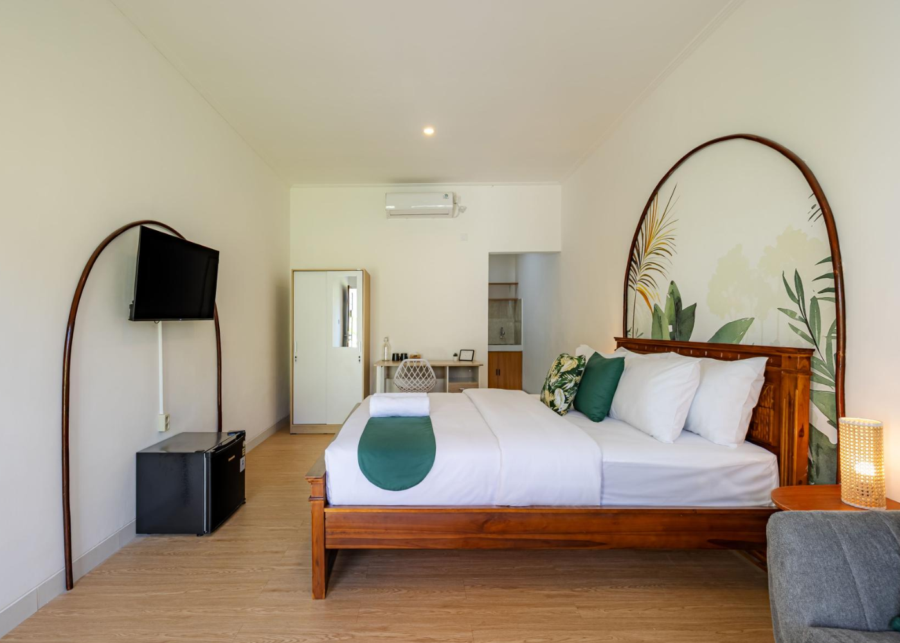
Cove is one of the most popular coliving names in big cities in Indonesia, including Bali. There are 15 different locations spread across the island, so it’s easy to pick a base that fits your vibe. It’s simple, comfortable, and definitely the more budget-friendly option. But don’t look down on the facilities: you’ll get a hotel-style room with AC, a private bathroom, a work desk, wifi, parking, plus a shared kitchen (even a small pool at several branches). I’d say it’s perfect for a first month or two while you work out which corner of Bali is best for you, but if you end up loving it and staying, that’s amazing too!
One heads up: Cove is more of a private-room setup than a big communal one, so if you’re an extrovert who feeds off coworking energy, you’ll want a workspace nearby (read on for my recs!).
Good to know: Not every Cove is created equal, so check reviews before you book. The consistently well-rated ones are Cove Arganta (Canggu), Cove Renata (Seminyak) and Cove Prana (Uluwatu).
Price: From around IDR 6,000,000 to 9,000,000 a month, depending on the branch.
Facilities: Private room with AC, private bathroom and a work desk, wifi, parking, a shared kitchen and a small pool.
Bali Bustle
Coliving and coworking under one roof in Kuta, with rooms sized from solo to couple-friendly.
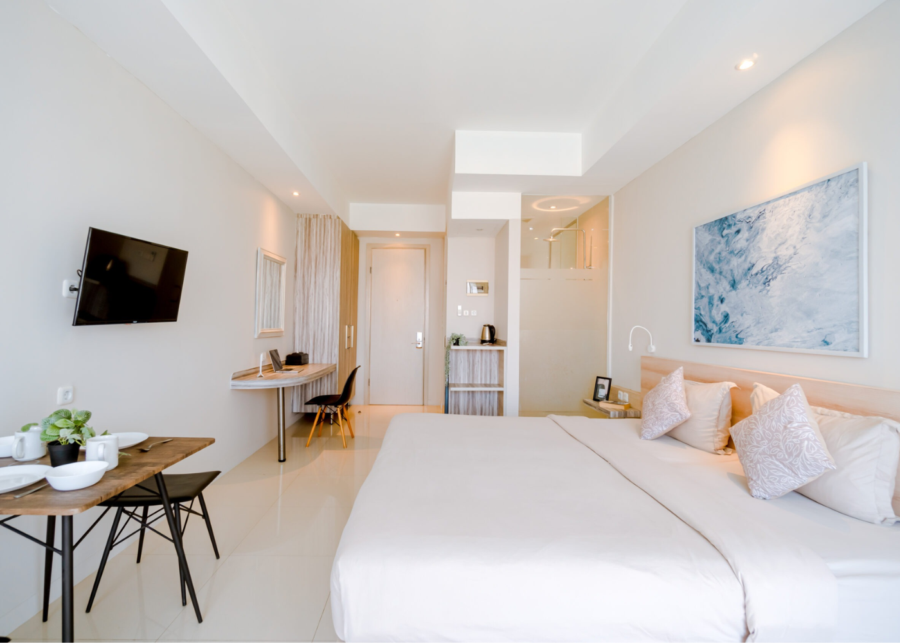
If you want your accommodation and your office to be the same building, Bali Bustle is the obvious call. It’s over in Kuta, and that’s part of the appeal as it’s more focused compared to Bali’s livelier areas, like Canggu or Seminyak. You’ll stay in a fully furnished room with your own little kitchen, with a 24/7 coworking space downstairs, so your commute is a flight of stairs. There’s a pool, a rooftop gym with sunset views, a cafe, and regular community events like meetups, yoga and the odd workshop, so you’ll meet people without forcing it. The beach is about a 10 to 15 minute walk too, so you’ll have that to look forward to at the end of your working hour.
Good to know: Rooms are priced for one or two people, so it’s great value if you’re arriving as a couple.
Price: Around IDR 8,700,000 to 13,200,000 a month.
Facilities: Fully furnished room with a small private kitchen, 24/7 coworking space, a pool, a rooftop gym, an on-site cafe, parking, weekly cleaning and regular community events.
Shashvata Coliving
Polished Canggu coliving that scales from simple rooms to private suites, so you set your own comfort.
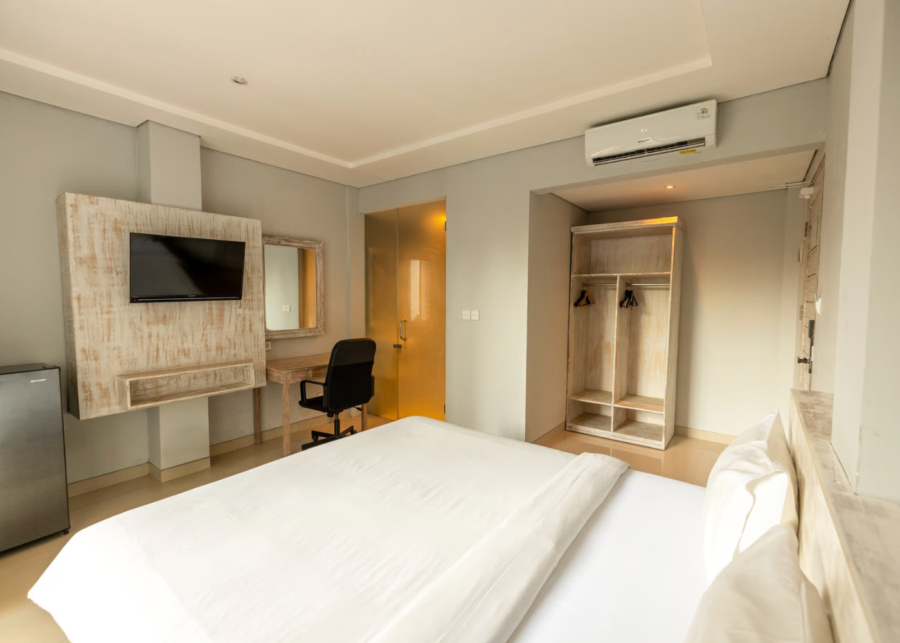
Working from anywhere isn’t always as dreamy as it looks, so sometimes you just want to be comfortable. Shashvata is the answer to that and happily it isn’t only for big spenders. The larger rooms are quite a splurge, but I personally get the appeal. It sits in a quieter pocket in Berawa, with spacious rooms that are well-maintained, and the wifi has a real reputation. The nomads I know who’ve stayed reckon it’s one of the fastest they’ve used on the island. What I like is that it hasn’t swapped community for polish: the dinners and pool hangouts are still there, just with nicer everything around them. So whatever room you go for, I’d say it’s worth it.
Good to know: It’s located in a lesser-known part of Berawa, but you’re still only five to ten minutes by scooter from the best cafes in Canggu, so you get a break without the isolation.
Price: IDR 10,000,000 to 20,000,000 a month, depending on the room.
Facilities: Rooms across five floors with AC, fast wifi, on-site coworking and a meeting room, a cafe, a rooftop, a pool and daily cleaning, plus the community events.
If you’re looking for something more luxurious and don’t mind the splurge, check out our list of Bali’s best villas as your option.
Best Coworking Spaces for Digital Nomads in Bali
Tropical Nomad – Canggu
The Canggu classic where the cafe out front is free to work from and the coworking is open 24/7.
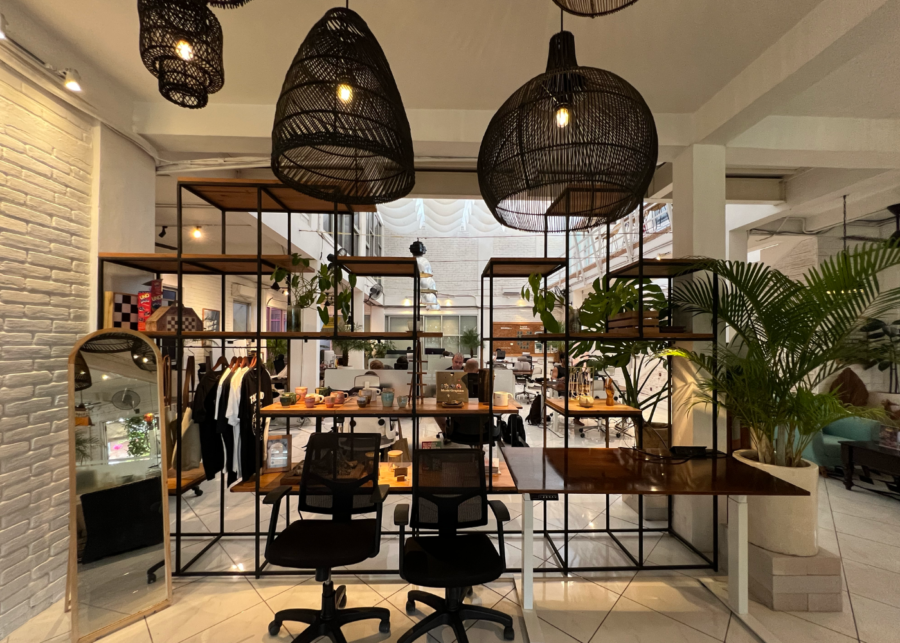
If you only try one coworking space in Canggu, make it Tropical Nomad. It sits right on the famous Canggu shortcut, next to Power + Revive gym, and it’s pretty much the spot you picture when you imagine working in Bali – an open, airy space with a hot-desk area downstairs, a green backyard to chill in, and air-conditioned rooms, call booths and standing desks upstairs.
The cafe out the front is open to anyone, so you can show up, buy a coffee and work without a day pass. Members get 24/7 access, which is gold for night owls and anyone wrestling timezones. There are also weekly events from BBQs to workshops and movie nights, oh, and there’s even a podcast studio if that’s your thing.
Good to know: The free cafe area is the move for a first visit or a casual session. Save the day pass for when you need aircon, quiet and a proper desk.
Price: Day passes from around IDR 260,000, monthly memberships from around IDR 1,500,000 (There are special packages for night owls and dedicated-desks).
Facilities: High-speed wifi, air-conditioned indoor area, open-air cafe and garden, meeting rooms, call booths, printing, podcast studio, and private offices.
Address: Jl. Subak No. 2, Canggu.
Opening Hours: 24/7 for members (reception: weekdays 24 hours, Sat 8 – 12am, Sun 8am – 4pm).
GoWork at Park 23 – Kuta
A mall-based workspace with a pool, gym and a membership that works at GoWork branches across Indonesia.
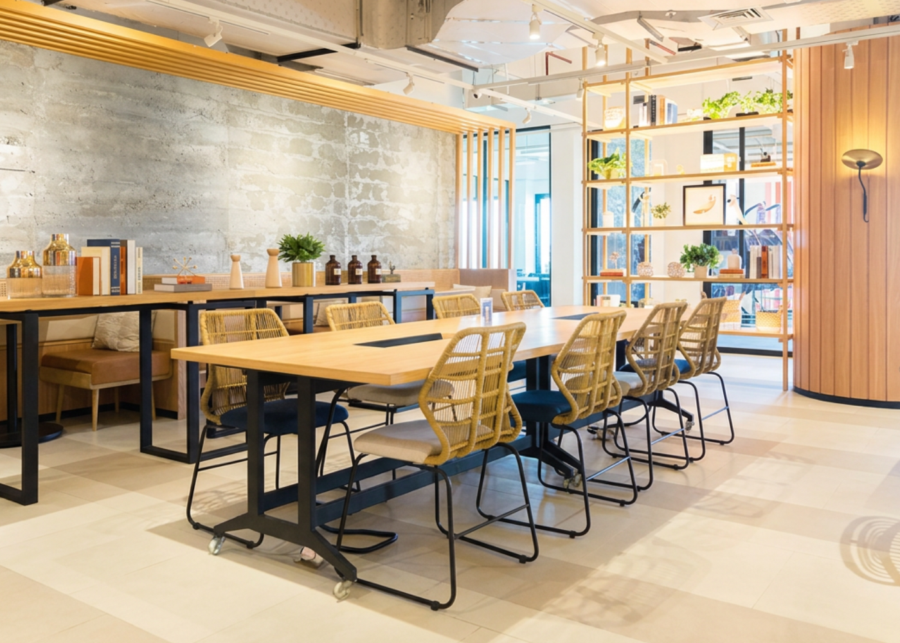
GoWork is Indonesia’s biggest premium coworking chain, with big locations nationwide. The Bali branch lives on the 3rd floor of Park23 Creative Hub, a casual mall in Kuta. It actually lives up to the reputation. You get corporate-grade everything, from high-speed internet and soundproof call booths to meeting rooms, a swimming pool, a gym with showers and a cafe. Being in a mall makes it very handy, with lunch, an ATM and a few shops only a lift ride away. And the best part? Your membership will not be tied to Bali – the multi-location plan lets you work from any GoWork in the country, which is handy if you bounce between here and Jakarta (like me!).
Good to know: Unlike most coworking spaces in Bali, it keeps office hours (roughly 9am to 6pm, weekdays).
Price: Common-space day pass from IDR 150,000 and monthly coworking from IDR 1,130,000.
Facilities: High-speed wifi, air-conditioned desks, call booths, meeting rooms, private offices, plus free coffee and multi-location access.
Address: Park23 Creative Hub, 3rd Floor, Jl. Kediri, Tuban, Kuta.
Opening Hours: Monday to Friday, 9am – 6pm.
Livit Hub – Sanur
Four floors of focused calm in Sanur, topped with a 360-degree rooftop and fresh food delivered to your desk.
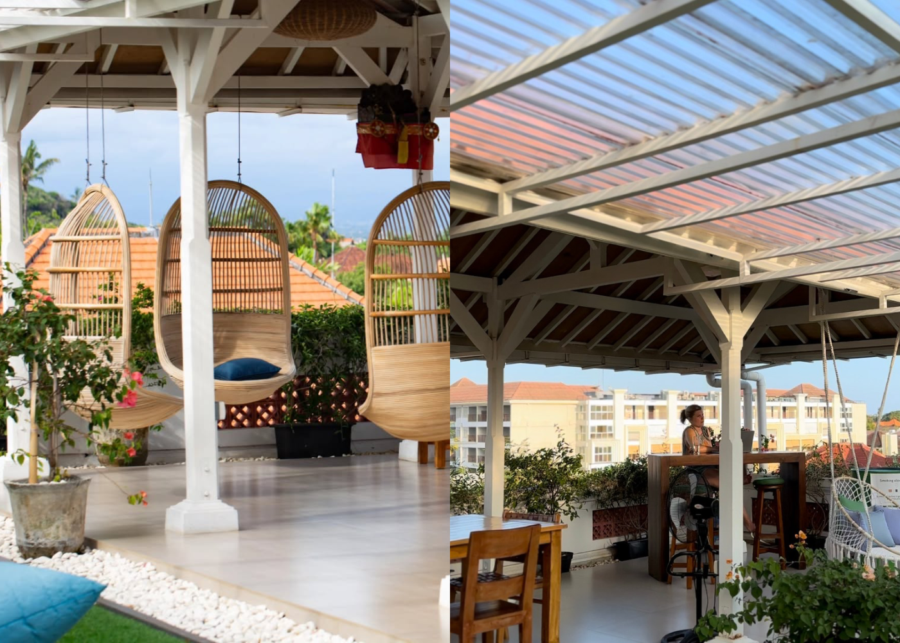
Coming from a Sanur local, Livit Hub is the one to book if Canggu’s energy sounds exhausting to you. It’s a four-storey old factory reborn as a coworking space, kitted out with ergonomic chairs, standing tables, call rooms, and even a quiet room for naps or meditation. There’s an on-site kitchen doing breakfast and buffet lunches, and (my favourite detail) they can offer a plate of fresh fruit every afternoon. Or if you feel like lunch with a view, the sea is only a five-minute walk away.
Good to know: The ground-floor cafe has a budget, pay-on-the-spot membership if you want to test the place before committing to a bigger plan.
Price: Basic coworking starts from IDR 140,000 per day and IDR 2,250,000 per month.
Facilities: High-speed wifi, AC throughout, ergonomic chairs, standing desks, call rooms, event space, quiet/nap room, rooftop lounge and more perks for the premium packages including laundry.
Address: Jl. Bumi Ayu, Gang Pungut Sari No. 6, Sanur.
Opening Hours: 24/7 for members
Looking for more? Don’t worry, we’ve rounded up all the best coworking spaces in Bali!
Digital Nomad Friendly Cafes in Bali
Stuja di Pantai – Sanur
Sanur’s beachfront all-rounder, with chairs on the sand out front and a cool, focused AC room for laptops behind.
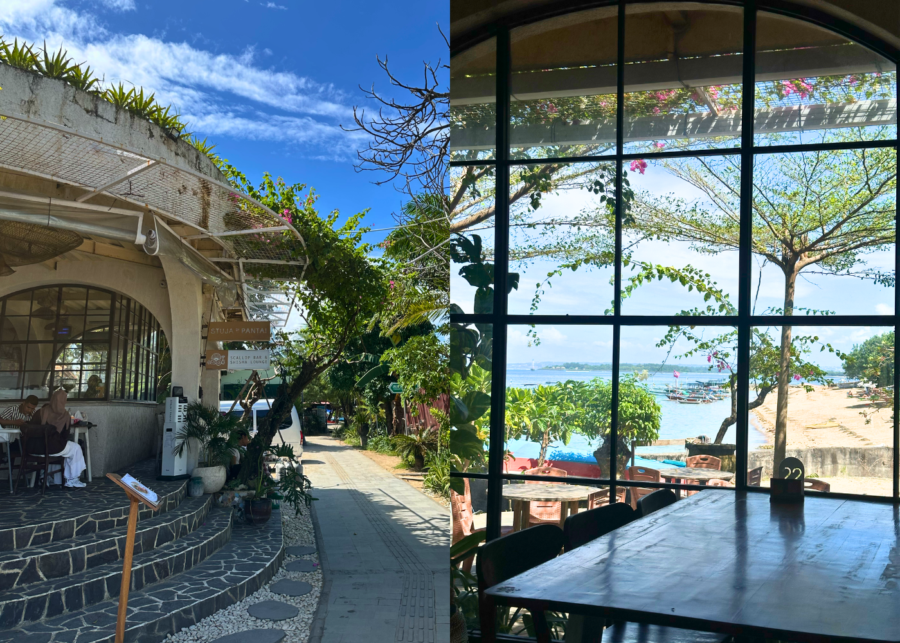
It’s quite a popular spot in Sanur, but for good reason. Stuja di Pantai is a beachfront cafe serving everything from breakfast right through to dinner, so you can spend the whole day here without going hungry. It opens as early as 6am, so I usually head straight here after my morning run (you’re blessed with sunrise in Sanur!) and stay for the whole workday.
There’s an outdoor area overlooking the sea, but I gotta be honest, I’m an AC-first kinda guy, so I always end up nesting in the indoor area. There’s a second floor too, so don’t worry about running out of space. The wifi’s reliable, the coffee’s good, and the food does the job all day, from breakfast plates like pancakes and eggs benny to delicious mains. Don’t skip the Tuna Poke Bowl, my absolute go-to for a protein hit, and the portions are generous.
Good to know: It’s pet-friendly too, so feel free to bring your four-legged kiddos along, they’re as welcome as you are.
Price: Coffee starts from IDR 26,000++
Address: Jl. Kusuma Sari No. 4, Sanur.
Opening Hours: Daily, 6am – 11pm.
ST. ALi
The Melbourne specialty-coffee legend, now doing early mornings and serious brunch in Pererenan.
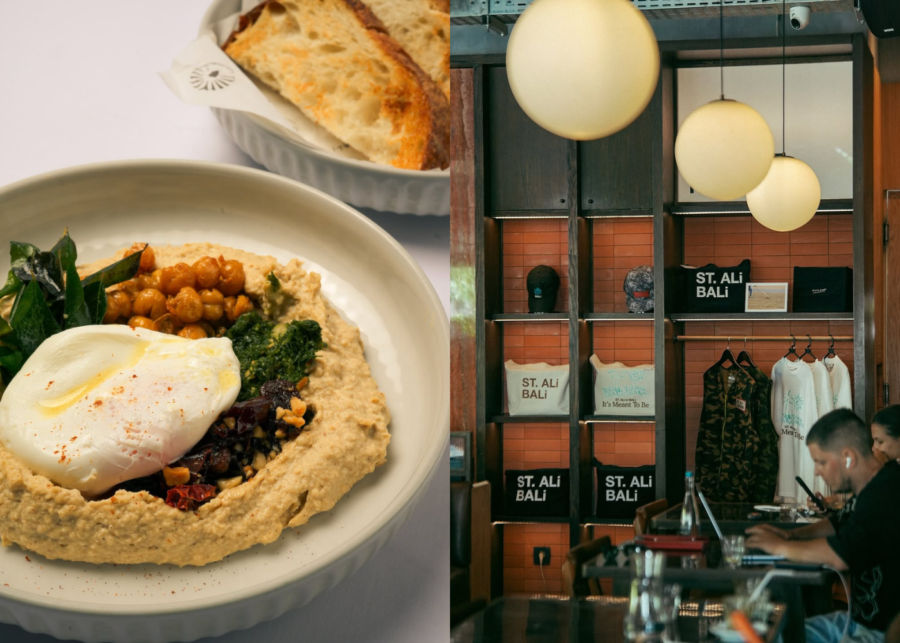
If you know your coffee, you’ll know the name. ST. ALi is one of Melbourne’s most respected specialty roasters, and its Pererenan outpost brings that same obsessive coffee culture to Bali. It opens at 6am, which makes it one of the earliest work-friendly spots on the island, a real gift if you’re wrestling a timezone or you just love Canggu before all the traffic happens. The brunch menu is solid too, all the smashed-avo-and-eggs classics done well, so you can caffeinate, eat and work without ever moving tables.
Good to know: If you’re looking for something different, they also have unique signature brews like the Coco Mingle, espresso topped with chocolate ice cream and coconut water.
Price: Coffee starts from IDR 35,000++
Address: Jl. Pantai Pererenan No.122, Pererenan
Opening hours: Daily, 6am to 6pm
Pison Coffee Petitenget – Seminyak
The two-floor red brick Seminyak cafe for Indonesian beans roasted in house and plenty of cozy corners.
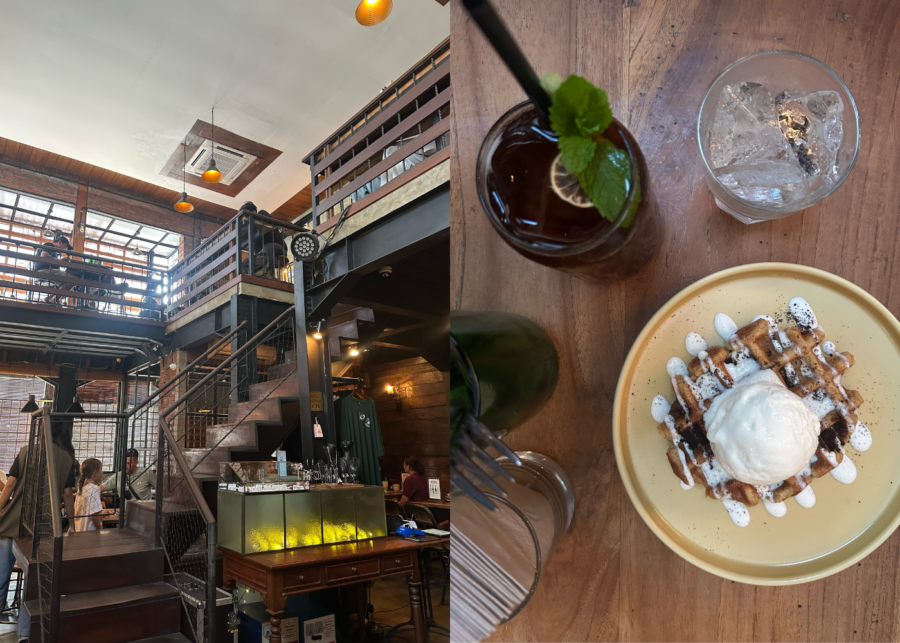
From the street, Pison Coffee Petitenget looks like a humble red-brick warehouse, but step inside and it’s a two-storey specialty coffee house with high ceilings, wood interiors and so much warmth. The draw for me is that it roasts its own Indonesian coffee. I’m addicted to the Sumatran beans, and the signature single-origin Blue Batak is smooth, syrupy and strong enough to keep you productive for hours. There’s AC, free wifi and a leather sofa practically designed for laptop sessions, plus a bake house of pastries for the inevitable sugar dip. It’s a Seminyak favourite, so expect a crowd of locals and nomads, especially during lunch hours.
Good to know: They also have a branch in Ubud with a small rice field in the backyard if you want something more scenic.
Price: Coffee starts from IDR 35,000++
Address: Jl. Petitenget No. 19A, Seminyak.
Opening Hours: Daily, 7am to 1am
Hungry for more? Here’s our full guide to the best cafes in Bali.
What does it actually cost to live in Bali?
Your cost of living in Bali depends almost entirely on your lifestyle. Bali is cheap if you live like you came for value, but it can be super expensive if you live like you came for the aesthetic. The whole game is knowing which price list you’re shopping from. Here’s the comfortable middle point for one person:
- A mid-range coliving room or one-bed villa costs anything from IDR 7 to 18 million, with budget coliving like Cove at the low end and a smart villa in Canggu or Seminyak up top.
- Food and groceries come to IDR 5 to 9 million monthly. Eat warung-style and it’s nearer IDR 4 million, but go full Western and it sails past IDR 12 million.
- A scooter rents for about IDR 1 to 1,5 million a month with helmet and basic insurance, so with petrol call it IDR 1,7 million.
- Coworking is optional, around IDR 1 to 2 million for a membership or a handful of day passes.
- A SIM card and home internet together come to IDR 500,000 to 900,000, with a 50GB Telkomsel SIM around 150,000.
- Health insurance like SafetyWing or Genki sits at IDR 900,000 to 1.8 million.
- Leisure activities land anywhere from IDR 2 to 6 million, entirely up to you.
Add it up and a comfortable solo month comes to around IDR 25 to 40 million. This is absolutely adjustable if you know where to shop and what to compromise, so here’s a tip I always give my fellow digital nomads: always track your first month spending and go from there.
Bali isn’t flawless, the traffic’s real and there’s a serious trash problem going on, but for living well while working remotely, very little comes close.
Check out these other guides if you need more convincing:
- Digital nomad friendly cafes in Bali
- Top Coworking Spaces in Bali
- Cost of Living in Bali for Digital Nomads
More FAQs about Life as Digital Nomads in Bali
Is the wifi in Bali actually good enough to work?
Yes, the main nomad areas run 50 to 100 Mbps, and coworking spaces and the better colivings are faster and more reliable still. The one weak spot is the odd storm-related power cut, so a backup SIM with data is worth keeping on hand.
How much does it cost to live in Bali as a digital nomad?
A comfortable single month runs around IDR 25 to 40 million (roughly USD 1,500 to 2,500). You can go leaner, near IDR 18 million on a cheaper room and mostly local food, or sail past IDR 50 million with a pool villa and daily Western dining. It's all up to you!
Which area is best for digital nomads?
Most first-timers start in Canggu or Pererenan for the community. But it really comes down to your pace. Canggu is the busy social hub, Sanur and Kuta are quieter and easier on the wallet, and Uluwatu suits surfers.
Is it legal to work on a tourist visa?
No. Indonesian immigration counts work by where your body is, not where you're paid, so working remotely on a tourist visa is illegal even for overseas clients. Enforcement has tightened, including social media checks, and the penalty can be deportation and a ban, so get the E33G if you're working.
Can you get by without renting a scooter?
You can, but it's harder. A scooter is how most people get around and it rents for about IDR 1 - 1,5 million a month. If you'd rather not ride, Gojek and Grab cover most trips, but it's most likely gonna cost you more.