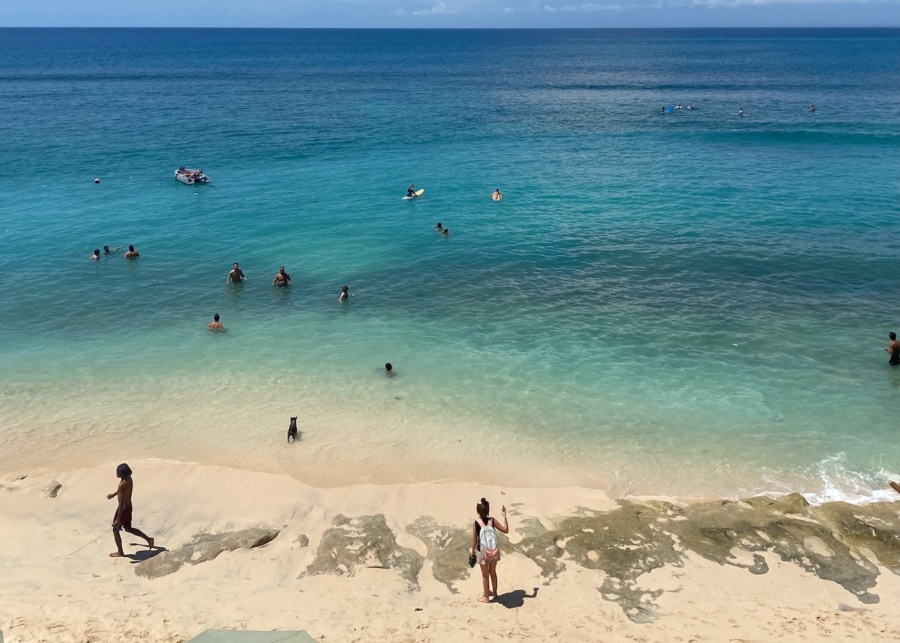
If you've ever walked down the cliff at Bingin for a sunset session with a Bintang in hand, you'll know what made it special.
I remember when Bingin Beach used to be one of the most popular hangout spots in Uluwatu. People would drive an hour from other parts of Bali just to watch the surf or drink a coconut on the sand. It was a beach for everyone, free to get to and with food never far away. It was stacked with warungs and surf shacks, homestays clinging to the cliffs, all run by locals who’d been there for years.
Overtime, Bingin Beach began to change. More foreign-owned businesses popped up, with fancy villas and higher-end restaurants that transformed Bingin from a local surf beach to a chic weekend escape for Canggu’s cool kids.
But last year, all of it came down.
The Bali Provincial Government demolished dozens of buildings on Bingin Beach, ruling them illegal structures on protected coastal land. Nearly a year on, the rubble is still there. Now, the local government has revealed its plan to rebuild the beach from scratch.
Here’s what happened, and what’s coming next.
TL;DR
In July 2025, Bali’s government demolished 48 structures on Bingin Beach in Uluwatu, since they were reportedly built without permits on protected state land. The site sat as rubble for nearly a year. In May 2026, the Badung Regency Government revealed a staged redevelopment plan, starting with new beach access, a wider cliffside staircase, and toilets. Work begins in 2026, with a second phase in 2027
What happened to Bingin Beach?
On 21 July 2025, Bali Governor I Wayan Koster and Badung Regent I Wayan Adi Arnawa oversaw the demolition of 48 structures along Bingin Beach. Bars, restaurants, homestays and surf businesses that had run for years came down in a matter of days.
The trigger was an inspection by Commission I of the Bali Provincial DPRD (the regional legislative council) back in May 2025. They found that many of the businesses sat on state-owned land without the permits they were legally required to hold.
Why was Bingin Beach demolished?
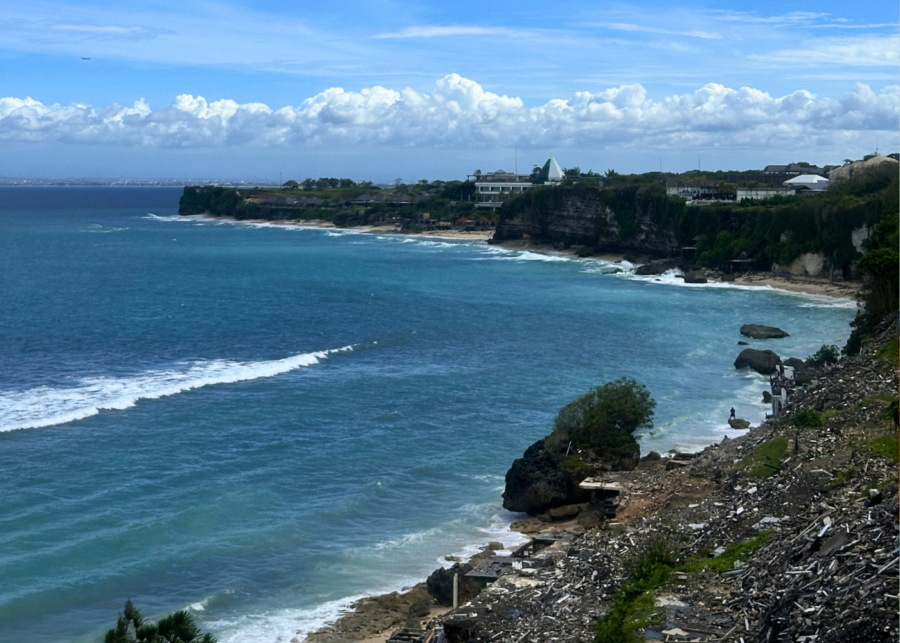
The official reason: the buildings were on state-owned land, inside a protected coastal area, with no valid building permits.
Under Law No. 27 of 2007 on coastal management, Bali’s beaches and cliff edges are protected zones, and building on them for commercial use without the right permits isn’t allowed. Bali Governor Regulation No. 24 of 2020 goes further, banning construction on coastal boundaries and cliff areas outright. By the government’s reckoning, the Bingin businesses had been operating in breach of both for years. Some had been there as early as the 1980s!
There was a foreign-investment angle too. Officials said foreign nationals backed at least seven of the 48 businesses as investors, while Indonesian citizens remained the named people in charge. According to authorities, several of those investors left once they realised the demolition was going ahead.
What happened to the people who worked there?
This is the part that’s hard to write about. Behind the 48 buildings were hundreds of staff, most of them locals, who lost their jobs with almost no warning. The fallout reached well beyond Bali. Bingin had a particular pull for surfers and long-stay travellers, and the demolition prompted an outpouring online from people who’d spent time there. The ripple effect continues, as hotels in the surrounding Bingin neighbourhood have received endless cancellations since the beach became dangerous to access.
What’s the plan for Bingin Beach now?
For nearly a year, not much happened. The debris from those buildings stayed where it fell, with chunks of it tumbling onto the sand below. It became a real safety problem. Surfers, locals and a steady trickle of travellers (like me) kept showing up anyway, and it is truly heartbreaking to see the state that it’s in now.
Then in May 2026, leaders in Uluwatu gave the first real update. The Badung Regency Government will run the redevelopment. It has already presented plans to Regent Wayan Adi Arnawa and shared the initial design with Pecatu Village residents.
I Nyoman Karyasa, who heads Badung’s Public Works and Spatial Planning (PUPR) Agency, laid out a staged approach. The first phase, in 2026, focuses on the basics, clearing the site and building safe access to the beach. That includes a new cliffside staircase with steps three metres wide, plus a clean water network, showers and public toilets. The government also plans to prepare land for wooden stalls and a performance stage.
Karyasa was clear about one thing, though.
The development of the Bingin Beach area will not be fully completed in 2026.
The second phase is scheduled for 2027. Before any major building starts, the project needs a Detailed Engineering Design (the technical blueprint), then a tender, with the first physical construction likely to begin around June or July 2027.
When will Bingin Beach reopen properly?
The beach itself is still open and accessible, but the full rebuild is a multi-year project that only properly kicks off in 2026 and runs into 2027 and beyond. For now, expect an active construction site rather than a polished beachfront destination.
So, what does this mean for Bingin?
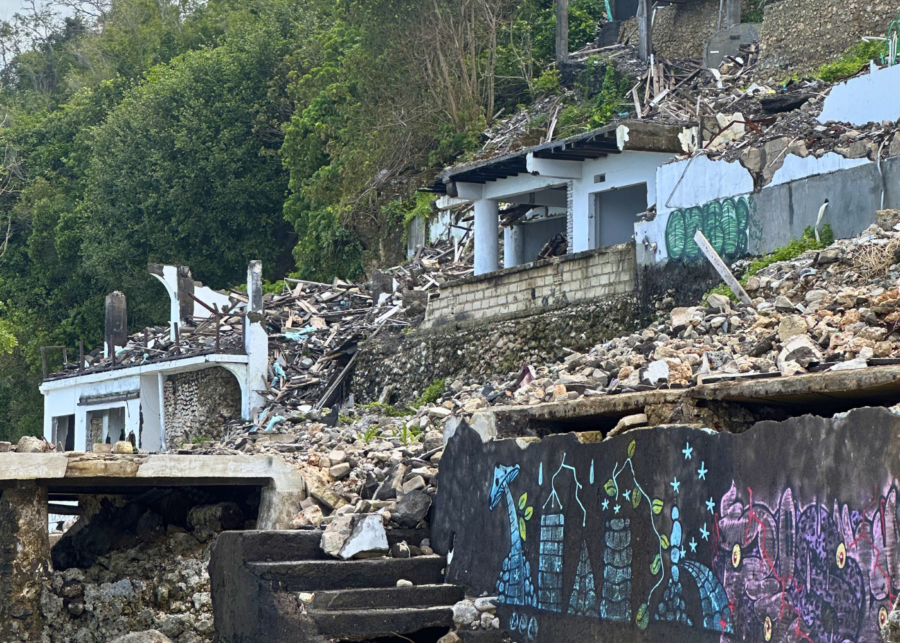
Here’s the honest bit. The legal case for the demolition is fairly clear. The buildings were on protected land without permits, and Bali has been tightening up on exactly this kind of development. But “legal” and “painless” aren’t the same thing. Plenty of people who loved Bingin, and depended on it, are understandably gutted about how it played out.
What the beach becomes now depends entirely on the rebuild. A version with proper access, clean facilities and space for local vendors could genuinely work, as long as locals are the ones who get to run those stalls and stages. The worry, voiced loudly in the comments under every update, is that a cleared-out Bingin becomes an opening for bigger operators rather than the small, scrappy community that made it worth visiting in the first place.
We’ll be keeping an eye on it. For now, Bingin’s still there and the spirit of the place is hanging on.
Is the Bingin area still worth visiting?
Absolutely! The beach itself might be a building site, but the wider Bingin area hasn’t lost much at all. Some of Uluwatu’s best cafes and restaurants sit up on the Bingin clifftop, and there are great hotels and shopping a short ride away. The beach is still accessible too, if you don’t mind the rougher access while the rebuild is underway.
And if you want a cleaner stretch of sand in the meantime, you’re spoilt for choice. Padang Padang, Dreamland, Thomas Beach and Balangan are all about 10 minutes away, each with its own character. So no, don’t cross Bingin off your list. The cliffside will be under construction for a while yet, but the neighbourhood around it is still well worth your time in 2026.
What do you think should happen to Bingin Beach? Come tell us in the comments on our Instagram post.
More Bali stories worth your time:
- Elephant rides are banned across Indonesia
- Bali’s proposed ban on private beaches
- Kelingking’s glass elevator is being demolished – here’s why
FAQs about Bingin Beach
Can you still visit Bingin Beach?
Yes. The beach is still open and people are still surfing there. There are a couple of small carts serving light refreshments, so you can still spend the day down there. Just know that the cliffside is an active demolition and construction site, so access is rougher than it used to be and there's debris around.
Why was Bingin Beach demolished?
The Bali Provincial Government ruled that 48 businesses on the cliff were built without permits on protected coastal and cliff land, in breach of national coastal-management law and a 2020 Bali governor's regulation.
What is being built at Bingin Beach?
A staged redevelopment led by the Badung Regency Government: new beach access and a wider cliffside staircase, a clean water network, showers and toilets, and space for stalls and a performance stage. The first phase runs through 2026, with a second phase from 2027.
When will the Bingin Beach redevelopment be finished?
There's no completion date. Physical construction is expected to begin around mid-2026, with work continuing into 2027 and beyond. The government has said it won't be finished within a year.