We’ve found things to do in Kampot & Kep because exploring Siam Reap and Phnom Penh just wasn’t enough! Cambodia’s best kept secrets are waiting to be discovered in our guide.
Why have I created a guide on things to do in Kampot and Kep? Because I think if you’re headed to Cambodia and you’ve already visited Phnom Penh and Siem Reap, you must pay a visit to these sleepy coastal towns in the southern area. Kampot and Kep are great if you’re looking to slow down from the city area, and are rich with farms, plantations, resorts, and boast some of the freshest seafood in the country.
Why trust this guide
I took a sweet five-day trip through the country with the Cambodia Tourism Board, who showed me around these lesser-known towns with great enthusiasm. On the trip, I got to see some key highlights, interact with locals, and even got private tours through some of the farms.
Things to do in Kampot and Kep
Already planning a trip and looking for ideas on where to go? Here’s a quick look at our top recommendations:
- Must-visit attractions: La Plantation; salt fields
- Where to eat & drink: Kep Crab Market; Kampot Night Market
- Monuments: Lok Yeay Mao Monument; Kampot Seahorse Statue; Durian Roundabout
Attraction | Price | Opening Hours | Address |
La Plantation | Free admission; tours start from $5 | Daily, 9am to 5.30pm | |
Salt Fields | Free admission | Varies with the season, best visited from January to May in the morning | |
Lok Yeay Mao Monument | Free admission; offerings from $3 | Daily, 6am to 5pm | |
Kep Crab Market | Varies with each stall | Daily, 5am to 5.30pm | |
Kampot Seahorse Statue | Free admission | Daily, 24 hours | |
Jason's Tours | Varies with each tour; starts from $5 | Varies with each tour | Multiple locations |
Durian Roundabout | Free admission | Daily, 24 hours | |
Kampot Night Market | Free admission; prices vary with each stall | Daily, 8am till late | |
Rabbit Island | Boat prices from Kep to Rabbit Island vary from $7 to $10 | Varies; departure from Kep is around 9am or 1pm, return trips around 3pm or 4pm |
1. La Plantation
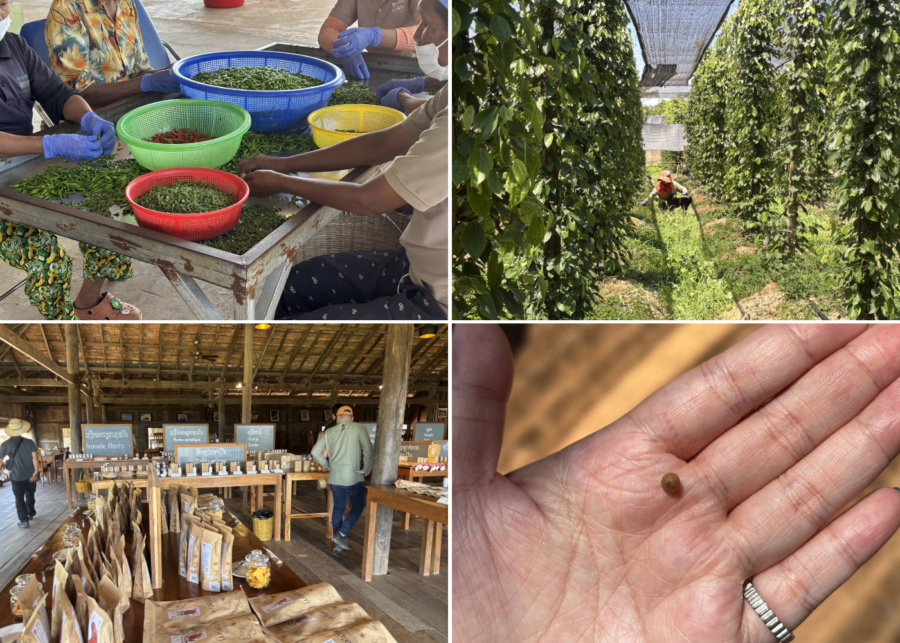
Kampot is home to the culinary secret weapon of chefs around the world – the Kampot pepper. Recognised as one of the best peppers in the world, it’s renowned for its fruity aromas created by Kampot’s unique soil and climate. And you can visit the very source of these corns at La Plantation. Created by couple Guy and Nathalie, the duo fell in love with Cambodia and created the space for development of the country and its rural community. Now, the sprawling land boasts rows upon rows of pepper plants, handpicked daily to ensure optimal freshness and quality.
Because most of the tour is unsheltered, I’d recommend visiting either early in the morning or in the evening when the sun isn’t as sweltering. I got to watch the peppercorns getting picked, and even tasted some right off the plant! And when you’re done with a quick class about the different kinds of peppercorns, you can buy some to take home as souvenirs. Remember to drop by the bar for some ice tea and pepper ice cream to cool off after.
Highlights: Pepper Farm tour; pepper tasting; cooking classes
Price: Free admission; tours start from $5 (available in English and French)
Opening hours: Daily, 9am to 5.30pm
Address: La Plantation, Bosjheng Village, Kampot, Cambodia
2. Salt fields
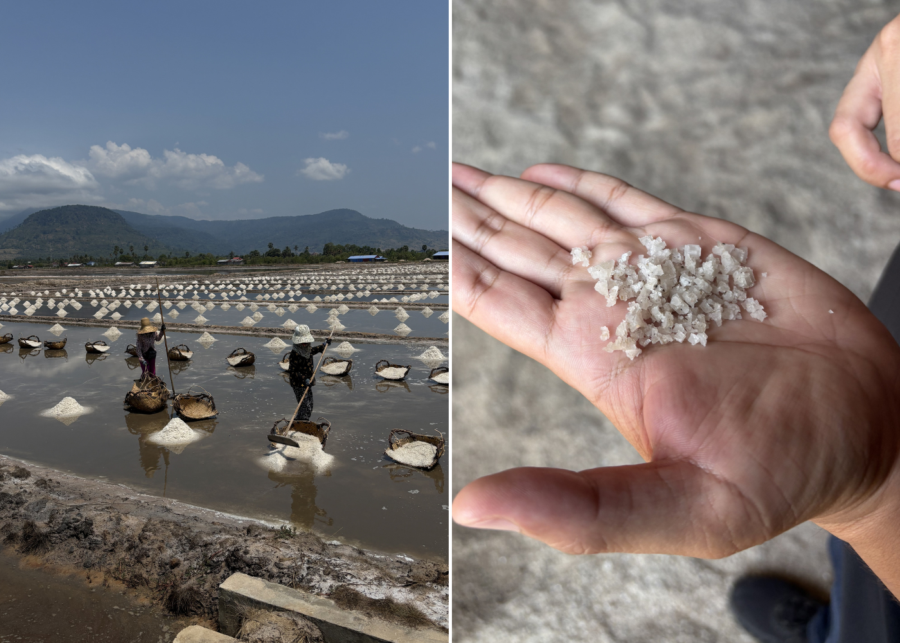
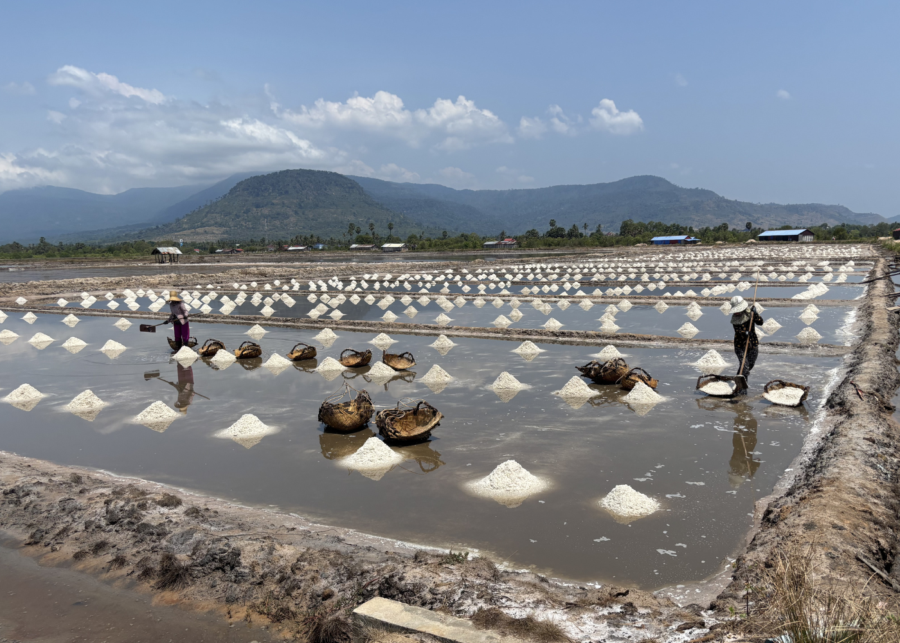
When there’s pepper, there’s salt! And it doesn’t get quite as impressive as the salt from Cambodia’s salt fields. Fleur de Sel (otherwise known as flower of salt) is a highly prized finishing salt, harvested by hand in the salt fields. The delicate crystals form on the water’s surface during hot and dry weather. The fields themselves do not offer tours. However, you can find third-party tour guides who can give you more information and get you to the farm. I visited the fields on a sunny day in March, which is recommended as the weather is hot and dry. There won’t be much to see if you visit during rainy months. It’s a bit of a rocky ride getting into the fields, but you’ll be treated to majestic views of the fields once you get there.
Price: Free admission
Opening hours: Varies with the season, best visited from January to May in the morning
Address: Salt Fields, multiple locations in Kampot and Kep
3. Lok Yeay Mao Monument
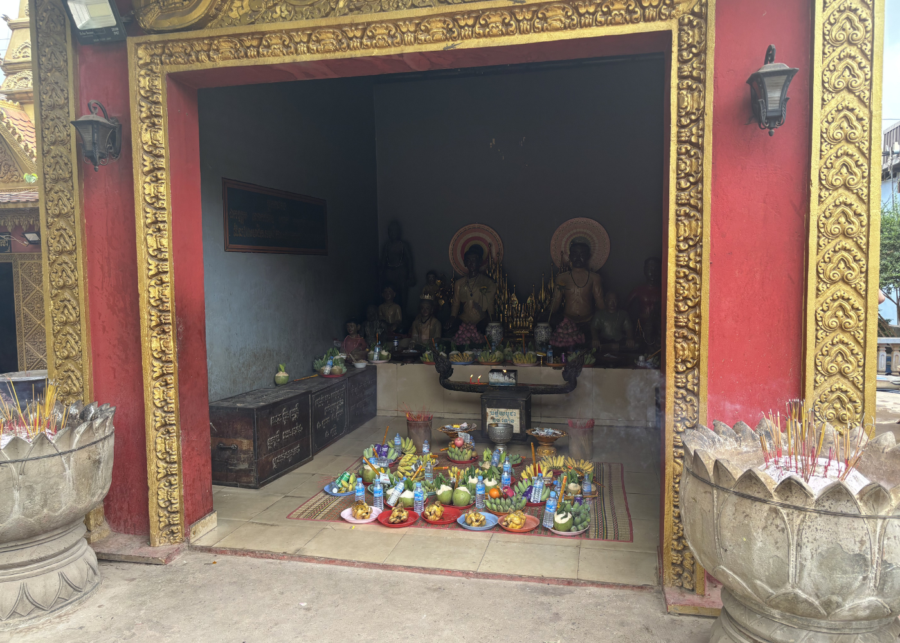
Out of all the ancient spirits, you’ll likely hear about Yeay Mao, a beautiful woman who took control of the armies against the Thai after her warrior husband’s passing. She’s considered a guardian of the coast, protecting travellers. A large 29-metre statue of her can be found on Bokor Mountain, along the highway between Phnom Penh and Kampot.
As I was pressed for time, my travel companions and I visited some of the smaller shrines along the road instead. Many stalls are set up with premade offerings, which you can purchase and leave at altars. I ended up purchasing one to pray for safe passage, and saw many other drivers doing the same. A unique way to immerse yourself in Cambodian culture, I’d say!
Price: Free admission; offerings from $3
Opening hours: Daily, 6am to 5pm
Address: Lok Yeay Mao Monument, Bokor Mountain, Preah Monivong National Park, Kampot, Cambodia

4. Kep Crab Market
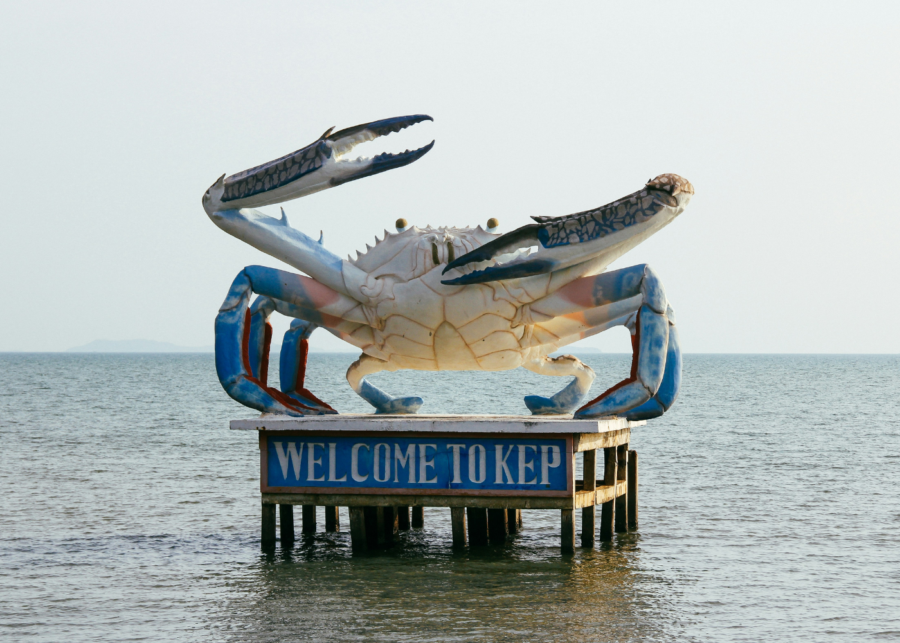
As a coastal town, Kep is famed for its fresh seafood, especially the blue swimmer crabs. And the thriving Kep Crab Market is the hottest spot for sea-to-table seafood dishes. Dining at Kep Crab Market involves two steps – purchasing your seafood and getting it cooked. You can pick from multiple types of preparations, but I’d recommend ordering the crab stir-fried with green Kampot peppers, it’s absolutely delicious.
Because the stalls are run by locals, you may run into a language barrier while ordering your seafood. I suggest going on a food tour if you’d like some help with picking the crabs and ordering your food. There’s no proper dining area, so you’re welcome to sit around the beach to enjoy your meal. Be sure to come armed with wet tissues to clean up after you eat too.
Price: Varies with each stall
Opening hours: Daily, 5am to 5.30pm
Address: Kep Crab Market, Crab Market Road, Krong Kaeb, Cambodia
5. Kampot Seahorse Statue
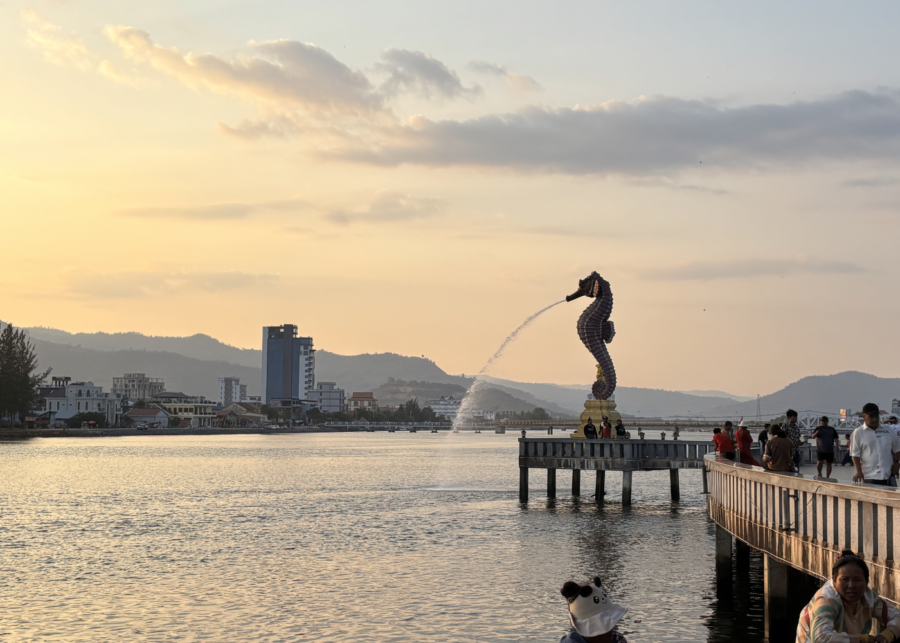
If you ever wanted to be one of those tourists taking comical images in front of the Merlion, you can do a version of that in Kampot! The city has its very own sea-themed landmark which spews water. Kampot’s version comes in the form of a seahorse, symbolising patience and happiness. Head down after sunset and you’ll be treated to a fun light show too.
Price: Free admission
Opening hours: Daily, 24 hours
Address: Kampot Seahorse Statue, Street 735, Preaek Tuek Chhu River, Kampot, Cambodia
6. Jason’s Tours
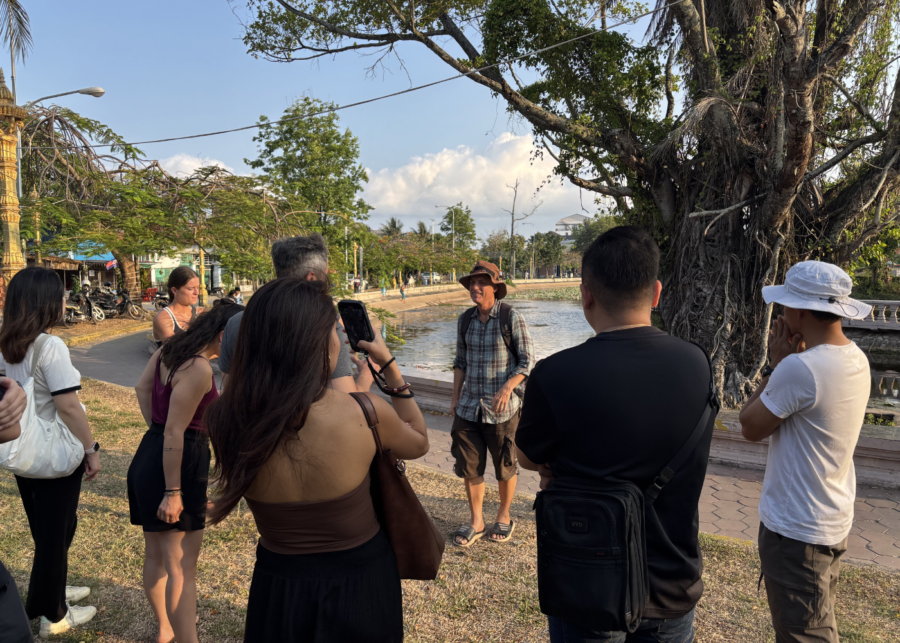
The best way to explore a new city, in my opinion, is through a walking or bike tour to really get to know its ins and outs. And for Kampot, I’d recommend one of Jason’s Tours. Having travelled through Asia during the pandemic, Jason found himself rooted in Cambodia’s culture after living in villages and sharing meals with locals. Now, he expands his community of tour guides, creating work opportunities and giving a percentage of the money earned from his tours back to the community.
Starting at Monkey Republic, the tour group and I followed Jason through the busy streets of Kampot. Did you know a lot of the bird sounds around Kampot are actually recordings coming from buildings to encourage swiftlets to build their nests in the urban areas? That’s just one of the fun facts I learned on the tour. As we explored the town, Jason introduced us to different deities and spiritual practices of the people. In just 90 minutes, I learned so much and got plenty of steps in! I highly recommend joining the walking tours, or booking the countryside experience if you want a relaxing bike ride through the more rural parts of Kampot and a home-cooked lunch with a Khmer family.
Price: Varies with each tour; starts from $5
Opening hours: Varies with each tour
Address: Jason’s Tours, multiple locations around Kampot
7. Durian Roundabout
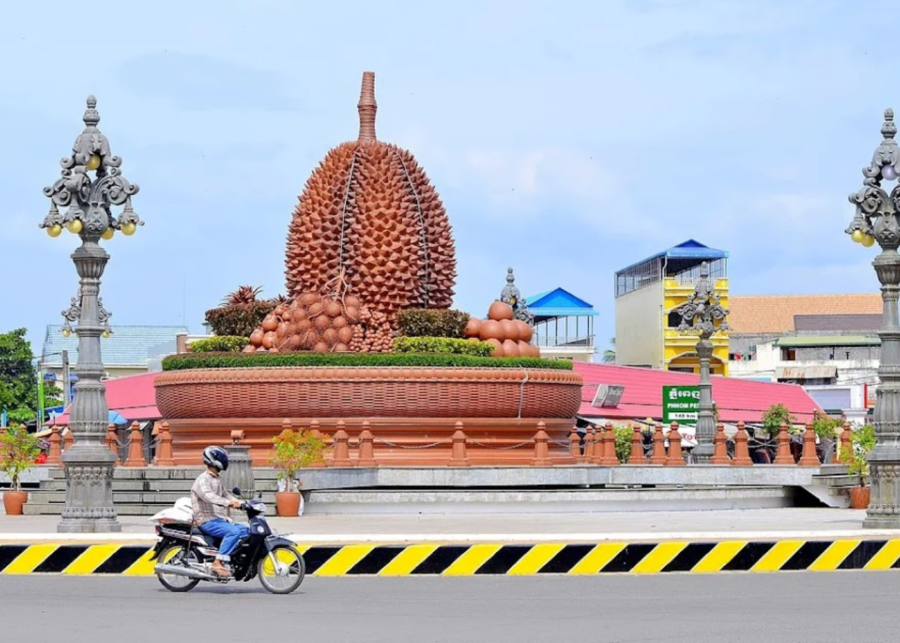
If you’re in a car driving around Kampot, you’ll likely come across the iconic roundabout with a giant durian statue in the center of the town. The Big Durian is one of the famed landmarks in Kampot, which is considered Cambodia’s durian capital. The statue also serves as a memorial as durian orchards were torched during the Khmer Rouge in the 1960s. The roundabout can get busy, especially during the day, so be careful as you cross the roads to get to the durian statue. Snap a couple of pictures, then spend the day exploring because you’ll also be close to many other attractions, food spots, and even durian stalls if you visit during durian season (around May to July!).
Price: Free admission
Opening hours: Daily, 24 hours
Address: Durian Roundabout, Central Kampot Town, Kampot, Cambodia
8. Kampot Night Market
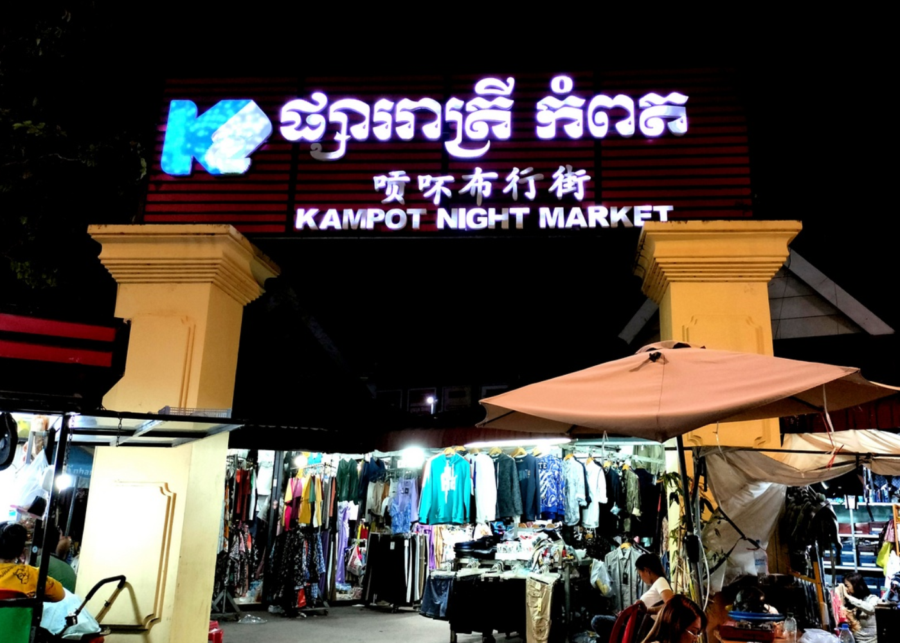
Situated close to the Durian Roundabout is the Kampot Night Market, because we all need somewhere to be when the sun sets! While the market may not be as big as those in Taiwan or Bangkok, it’s still sprawling with food stalls and opportunities to shop. There are even some carnival rides and games which make it kid-friendly. It’s catered more towards locals, so you won’t find any cheesy knick-knacks here. It’s good for a quick supper pit stop and a walk along the river afterwards.
Price: Free admission; prices vary with each stall
Opening hours: Daily, 8am till late
Address: Kampot Night Market, near the Durian Roundabout, Kampot, Cambodia
9. Rabbit Island
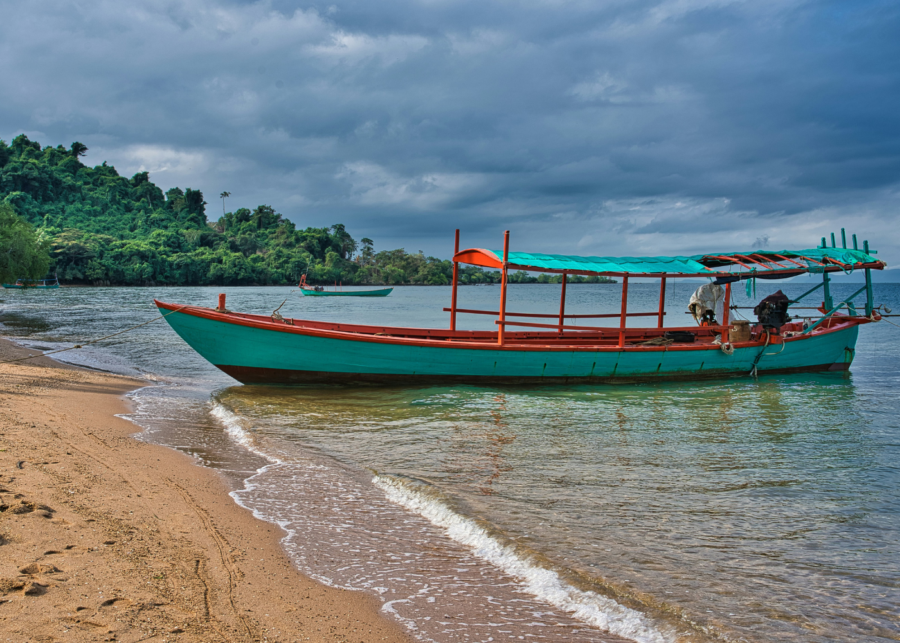
Otherwise known as Koh Tonsay, Kampot has its very own Rabbit Island. It’s an island off the coast of Kep, famed for its clear water and white sand beaches. I recommend visiting if you want to spend a device-free day off the grid. There are also some simple thatch houses available for a night’s stay which you can book in advance online. There aren’t many activities here as it’s remote and mostly undeveloped. But it’s ideal for beach lovers who want to spend a day out tanning without the hustle and bustle of the city.
Price: Boat prices from Kep to Rabbit Island vary from $7 to $10
Opening hours: Varies; departure from Kep is around 9am or 1pm, return trips around 3pm or 4pm
Address: Rabbit Island, Kep, Cambodia
And now you know what the best things to do in Kampot and Kep are! Remember to bookmark this page for inspiration for your next trip to Cambodia.
Got a travel itch you’re still looking to scratch? Here are more guides to nearby countries to inspire your next holiday:
- Best things to do in Taipei, Taiwan
- Things to do in Tanjung Kelayang Reserve
- 18 best short trips from Singapore for weekend getaways
Frequently Asked Questions
What currency is used in Cambodia?
The country uses a mix of Cambodian riel and US dollars. Cambodians commonly use a mix of the two currencies for transactions, so it’s normal to receive change in multiple currencies.
The standard exchange rate is about $1 USD to $4,000 KHR
Should I carry cash?
While established locations like hotels, high end restaurants, and some supermarkets accept card payments, it’s ideal to carry a bit of cash if you’re planning to get street food or visit local stores. It’s recommended to carry smaller denominations of USD to pay for things at smaller shops or for cheap tuk tuk rides.
What’s the transport like in Cambodia?
There are inter-city and municipal buses in Cambodia, but locals and tourists typically travel by tuk tuk and motorcycle taxis. Grab is widely used in Cambodia, and you can also download PassApp, which is a local variation.
If you plan on flagging a tuk tuk off the street, remember that you’ll need to negotiate the price before hopping in. You should expect to pay between $1 to $5 USD.
Is Cambodia safe?
The city is generally safe, with major concerns being pickpocketing, bag snatching, tourist scams, and some poorly maintained roads.
It’s important to keep your valuables close to you and be cautious as you walk along the roads.
Do Singaporeans need a visa to visit?
Singaporeans visiting Cambodia get visa-free entry for up to 30 days. When you’re flying in, remember to submit the mandatory Cambodia e-Arrival Card within seven days prior to your arrival.
When is the best time to visit Cambodia?
The best time to visit Cambodia varies, depending on your tolerance for hot weather and crowds.
Between November to February is the most popular time as the weather is dryer and cooler. It’s peak tourist season, so you should expect larger crowds.
March to May is a great time for sightseeing, and you’ll catch the city at its most vibrant as the Khmer New Year is in mid-April. However, the weather can be hot, hitting highs of 40C.
June to October is the monsoon season, with plenty of rainfall. The weather is cooler and hotels tend to be cheaper. But with high rainfall and humidity, rural areas tend to get flooded and may be difficult to navigate.