Packed with insights from expert jewellers in Singapore, our wedding ring buying guide is your ultimate cheatsheet to finding a dream ring.
Tying the knot might be one of the biggest milestones in your life, and our wedding ring buying guide is here to help. To make your search for the perfect sparkly ring easier, we’ve spoken to top jewellers in Singapore for insider advice. From understanding different metals and cuts to navigating budget and ring styles, these experts answer all your pressing questions. Psst: for more inspiration, don’t miss our list of best jewellers to shop wedding bands in Singapore!
Meet the experts
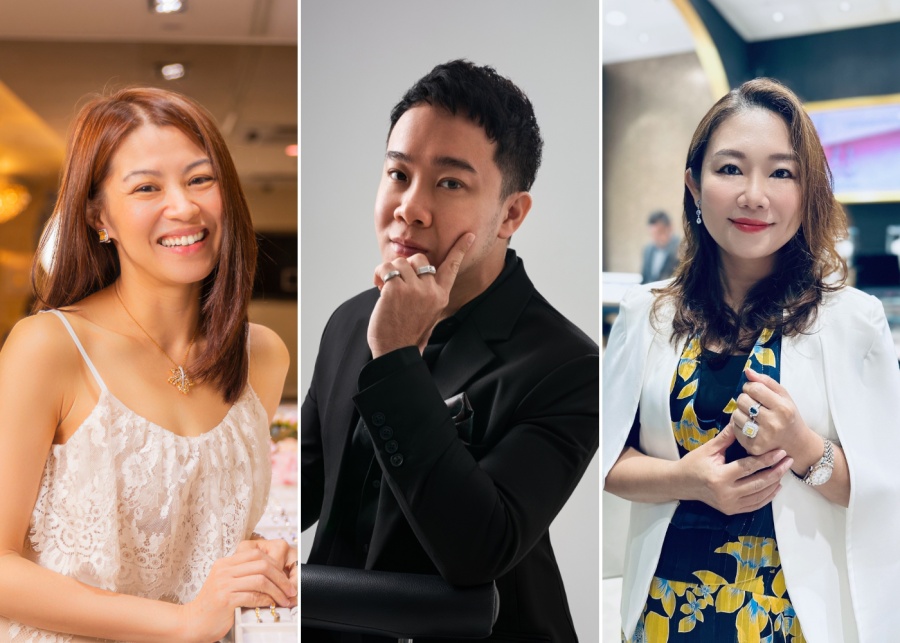
Amanda Koo, founder and GIA gemologist of eClarity
A graduate gemologist and an accredited jewellery professional from GIA New York, Amanda has been crafting fine jewellery for over 20 years. At eClarity, she works closely with couples to create unique wedding bands with personalised touches.
Andrew Lim, founder of Together Diamonds
Andrew brings over 12 years in the wedding industry. He started with his photography brand, Drewperspectives, before establishing Together Diamonds, where he specialises in custom ring designs and ethical lab-grown diamond rings.
Ashley LeCaine, co-founder and creative director of LeCaine Gems
Ashley is a certified GIA jeweller with eight years of experience in jewellery design, gem procurement and goldsmithing across Singapore and Hong Kong. At LeCaine Gems, she brings expertise in custom design, gemstone selection and ethical sourcing.
What to expect when you’re buying a wedding ring
1. What is a realistic budget for buying a wedding ring in Singapore? Is the ‘three-month salary’ rule still a thing?
Amanda: It is a fun guideline, but never a hard rule. As a quick point of reference for budgeting: a good quality one-carat natural diamond ring costs around $10,000, while a similar lab-grown diamond is priced around $3,000. Wedding bands in 18K gold with small diamonds typically range from $2,500 to $3,500 per pair.
2. How early should you start shopping for wedding rings?
Amanda: The earlier you start, the more your ring becomes a journey, not just a purchase. A three to six-month lead time is ideal if you want to fully enjoy the process and have time to explore designs, shapes and colours that tell your story. A two to three-month lead time is sufficient for those who want a personal design but can make decisions efficiently. If you’re eyeing a ready-made piece, having a one-week to one-month lead time will be enough.
3. Can you give an overview of the wedding ring buying process?
Amanda: A typical process starts from a consultation, where you’ll discuss style, budget and timeline, with sketches and 3D renders from the team if needed. Within four to eight weeks, the artisans will bring your design to life. Finally, it’s on to fitting and collection. This stage is where engraving, resizing and final touches are done.
4. Tell us about the typical wedding ring customisation process.
Amanda: It’s similar to a typical wedding ring crafting process, but with greater focus on personalisation. The team will start by understanding your story and style, shortlisting diamonds, and creating sketches or 3D renders. Once you’re happy with them, the crafting process takes between four and eight weeks. Tip: plan ahead so you’ll have more time to resize or add unique elements like engravings!

5. Anything to prepare for the first wedding ring consultation?
Amanda: Bring a rough budget, a timeline, and anything that your partner has sent or told you. If you know your partner’s ring size, that’s great; otherwise, the gemologists can assist. You can also bring along a photograph of your partner, references from Instagram, or anything that will offer a better understanding of their style, lifestyle and personality.
The intricacies of ring designing
6. What are some popular wedding ring styles?
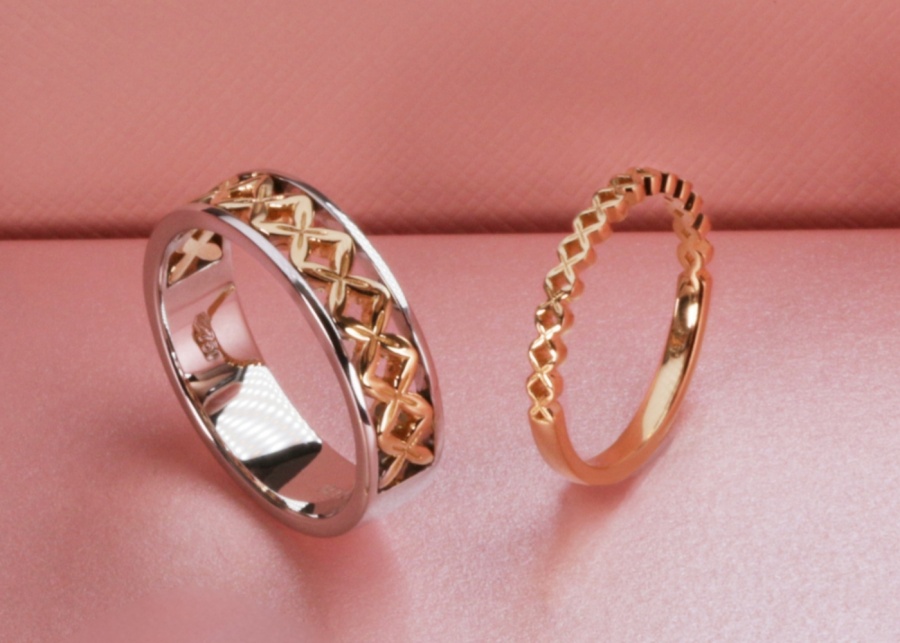
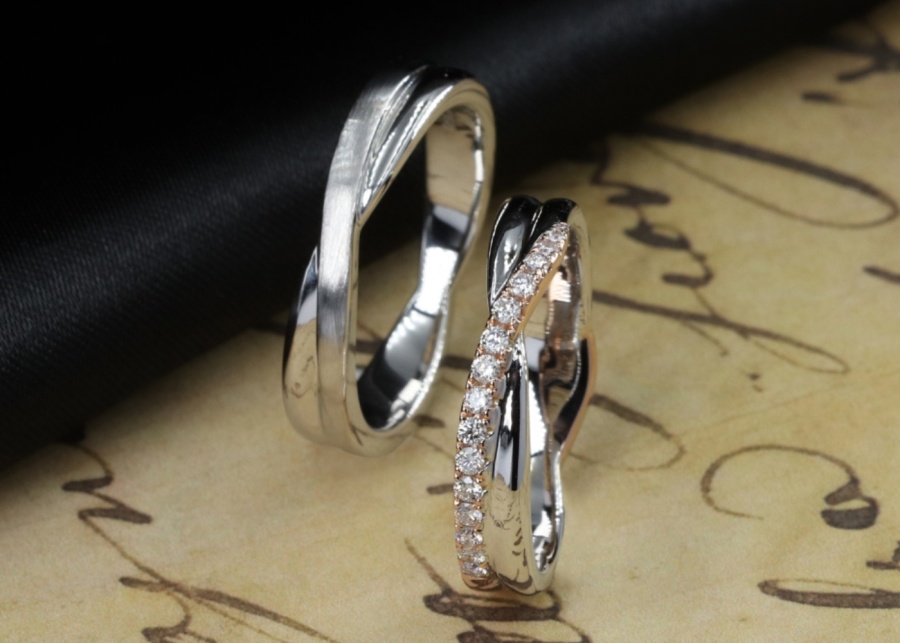
Ashley: There are evergreen and simple designs, as well as personalised and ‘crazier’ styles presented by customers. In terms of popularity, it also depends on the season and what is trending. Some evergreen favoured styles include: classic flat or domed bands; eternity rings, with stones encircling the band; twist or curved bands (ideal for pairing with engagement rings or adding modern flair); and micro-pavé or channel-set bands that deliver sparkle through delicate stone accents.
7. What are some factors to consider when choosing your wedding ring design?
Ashley: When choosing the right wedding ring, it is important to start with your lifestyle. Ask yourself if you prefer something streamlined and low-profile that fits seamlessly into your everyday routine, or a bold, decorative design that better reflects your personality. The way you live will naturally guide you towards a style that feels most comfortable and authentic to you.
Another key consideration is how your wedding band will pair with your engagement ring. If your engagement ring features a centre stone or has a unique profile, you’ll want to ensure the band complements it beautifully. Having harmony between the two creates a cohesive look and allows both rings to shine without overpowering one another.
Finally, don’t underestimate the importance of touch and feel. The weight, fit and comfort of a ring can only be truly understood in person. Head down to the jewellery studio for a firsthand experience of different rings before making your decision.
8. Which metals would you recommend for Singapore’s humidity or daily wear?
Andrew: For Singapore’s humid climate and daily wear purposes, I generally recommend platinum or 18K gold. Platinum is the most durable and resistant to tarnishing, making it ideal for lifelong wear. 18K gold, whether white, yellow or rose, balances luxury with strength and is easier to resize or polish over time. For those prioritising durability and practicality, 14K gold or palladium are also excellent choices.
Tips on diamonds and gemstones
9. We hear so much about the 4Cs (Cut, Colour, Clarity and Carat). As an expert, which is the most important factor, and which can be compromised on?
Andrew: While all 4Cs matter, cut is by far the most important. A well-cut diamond maximises brilliance and sparkle, even if other factors are less than perfect. Colour and clarity can often be compromised slightly as the differences are subtle to the naked eye, especially once set in jewellery. Carat depends on personal preference and budget, but prioritising cut ensures your diamond always looks its best.
10. On the debate between lab-grown and natural diamonds, what’s your stance?
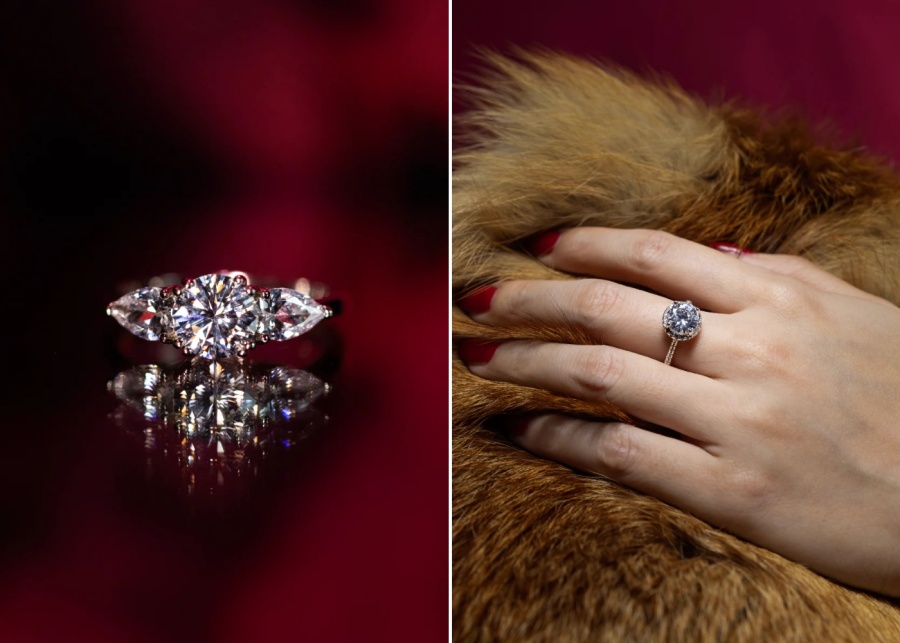
Andrew: The choice between natural and lab-grown diamonds often comes down to value and meaning. Natural diamonds are admired for their rarity, but they come with higher costs and unresolved ethical and environmental concerns. Lab-grown diamonds are chemically identical and more sustainable, yet they are mass-produced and often lack personal significance.
Alternatively, consider a third option, which Together Diamonds is the first in Singapore to offer. Our diamonds are grown from the carbon in hair or fur (for fur parents), making each stone one-of-a-kind and deeply personal. Not only does this innovation make our diamonds more ethical and sustainable than mined diamonds, but it is also more meaningful than conventional lab-grown stones.
11. What are the most popular options for adding diamonds to a wedding ring?
Ashley: You may choose to incorporate moissanite or lab-grown diamonds, either as a brilliant centre stone or as delicate accent details. Eternity settings, whether full or half, are also a popular option for couples who want continuous sparkle. For those who prefer a subtle shimmer, micro-pavé bands provide the right touch of brilliance. To make your ring truly one-of-a-kind, opt for personalised engravings to inscribe meaningful text onto the band.
12. Besides diamonds, which other gemstones would you recommend for a wedding ring?
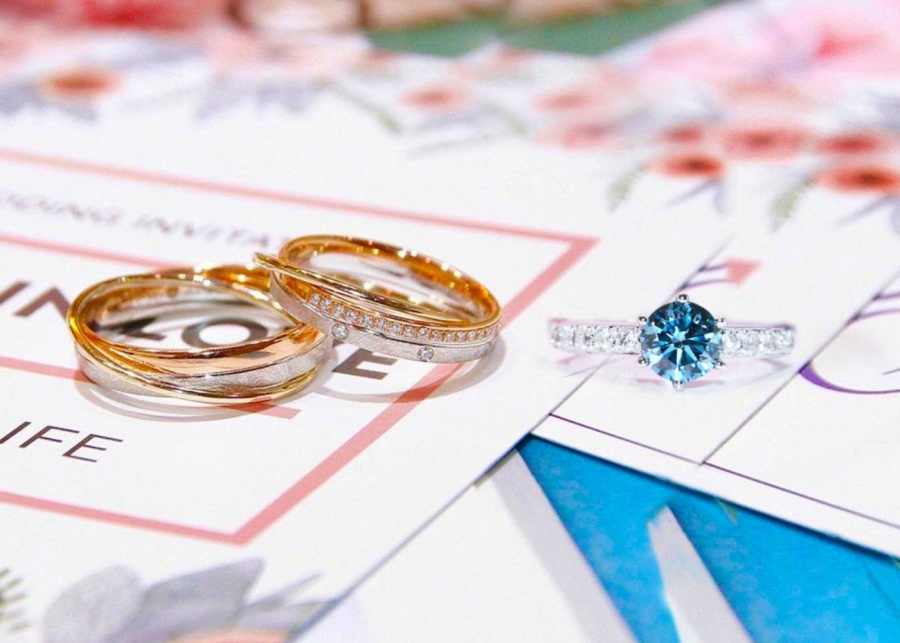
Ashley: Beyond diamonds and moissanite, I recommend adding coloured gemstones for a distinctive and personalised twist. Lab-grown sapphires and emeralds are increasingly popular as refreshing alternatives to traditional diamonds. They introduce vibrant and rich hues, bringing visual uniqueness while maintaining durability for everyday wear.
Beauty aside, they also carry a strong ethical appeal, as they are sustainably created without the environmental and social concerns often linked to mined stones. Not only do these gemstones create visual distinction, but they also ensure your ring carries an ethical and personal touch.
Aftercare and maintenance must-knows
13. What kind of aftercare and maintenance do wedding rings require?
Amanda: A wedding ring is designed to last a lifetime, but it still needs care, such as occasional polishing, tightening or refinishing. We recommend removing your ring during heavy-duty activities. Think eating chilli crab, playing tennis (pickleball is fine), washing dishes or cooking.
Come back once a year for a maintenance check (which is complimentary at eClarity). Just like love, a little attention keeps the sparkle alive.
14. Are there any warranties or guarantees to look out for?
Amanda: Beyond the traditional 4Cs, I tell clients to consider four more Cs.
1. Certificate: An internationally recognised grading report like GIA or IGI
2. Craftsmanship: Know the difference between 18K, 14K and 9K gold, and between mass-produced rings and handcrafted pieces by experienced craftsmen. This shows in refinement, comfort and durability.
3. Cleaning services: Check what types of cleaning services are offered and by whom.
4. Cost: Beyond the purchase price, factor in maintenance costs for resizing, repairs or upgrades.
15. Any advice for couples embarking on their wedding ring journey?
Amanda: It should be a joyful journey together. Some men love surprising their partners, while some women prefer to choose their ring (or vice versa). This can be one of the first tests in a marriage, specifically about balancing expectations, preferences and differences.
Today, the choices are endless, from coloured diamonds to unique shapes (like marquise, cushion and asscher) to a variety of sizes ranging from dainty to bold. Lab-grown diamonds have even made five to six-carat rings a reality.
I always end my talks with this: “A bell isn’t a bell until you ring it. A song isn’t a song until you sing it. Love isn’t love until you show it. So shop, choose, and present your ring with love – in the way she loves and in the way you love. That is how it becomes a blessed ring.”
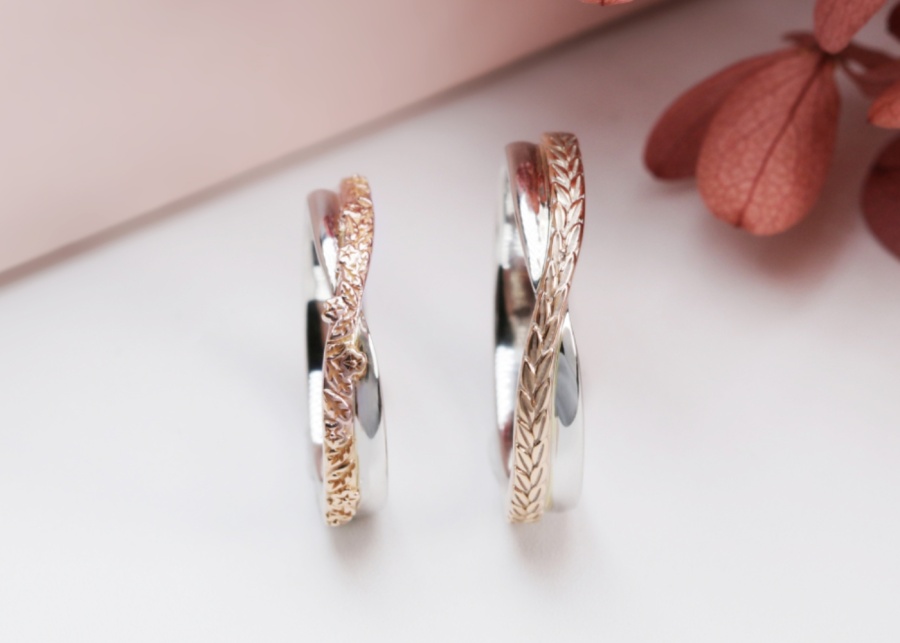
Andrew: My advice is to see your wedding rings as more than jewellery – they are daily symbols of your commitment. Prioritise comfort and durability since you’ll wear them every day, and don’t feel pressured by trends. Focus on what feels meaningful to both of you, whether that’s a timeless metal choice, a unique design, or a diamond that carries personal significance.
Most importantly, take the journey together. The process of selecting your rings should reflect the same values you want in your marriage – shared decisions, authenticity, and a foundation built to last.
Ashley: I recommend couples to begin with a shared vision of style, prioritise comfort and fit (especially through complimentary sizing appointments), budget wisely by considering options like moissanite or lab-grown diamonds, and think long-term about daily wear and future pairings. Most importantly, enjoy the process of customising a ring that tells your unique story.
Armed with this expert advice from our wedding ring buying guide in Singapore, it’s time to find the sparkling piece that’ll tell your forever love story.