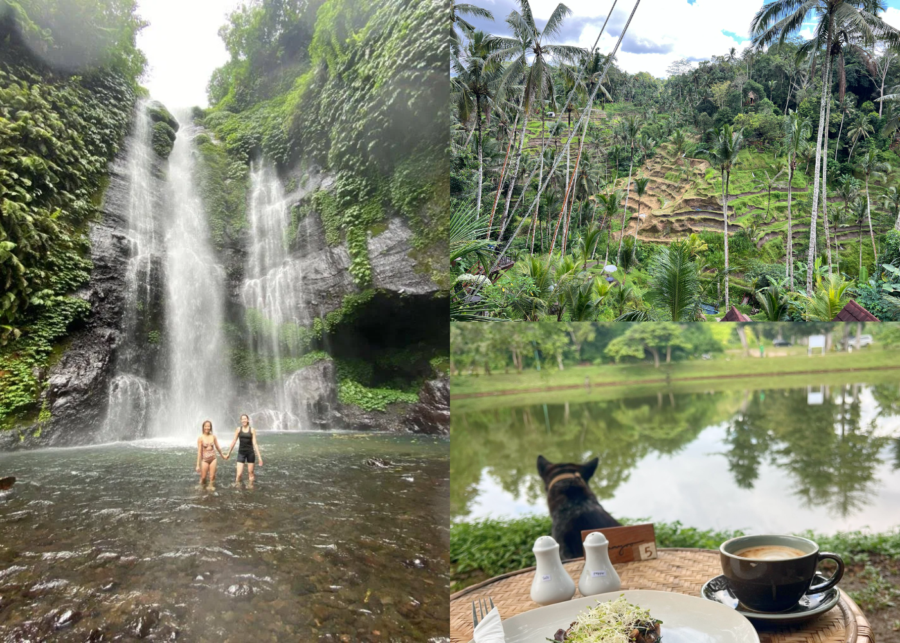
Looking for outdoor activities in Bali? From scaling mountains and volcanoes to trekking through rice paddies and hidden waterfalls, here’s where to hike in Bali in 2026.
Nature’s calling, and we’re answering! While we love spending the sunny days on Bali’s beautiful beaches, or watching the breathtaking sunset paired with carefully crafted cocktails after a day of cafe-hopping, the island’s Great Outdoors has SO much more to offer. And what better way to adventure in nature than on foot – we’re talking about trekking and hiking in Bali.
It’s a favourite outdoor activity on the island because of the many trails Bali is blessed with. Think mountains and active volcanoes, jungle treks where you can discover hidden waterfalls, as well as scaling emerald green rice terraces. So, to let you in on our secret adventures, here’s where to hike in Bali – our go-to trails whenever we feel like swapping the traffic with fresh air and natural landscapes…
Why trust this guide
Hey, I’m Erick! As someone who is passionate about the great outdoors, I approach Bali’s trails with genuine curiosity and a deep respect for the island’s natural landscapes and local culture. I’ve made it my mission to research and personally experience as many of these trails as possible, so that whether you’re lacing up for your first jungle trek or eyeing your second volcano summit, you can trust that the information here is accurate, honest and useful.
Trekking and hiking in Bali at a glance: by difficulty
Beginners: Pecatu Walking Track, Campuhan Ridge Walk, Tegallalang Rice Terraces, Munduk Waterfalls, Astungkara Way
Moderate hikes: Mount Batur, Sekumpul & Fiji Waterfall Trek, Twin Lakes Trek, West Bali National Park
Experienced hikers: Mount Agung, Mount Batukaru
Everything you need to know before hiking in Bali
Great hiking in Bali is absolutely within reach, but a little prep makes all the difference between an unforgettable adventure and a preventable disaster. Before you head out, here’s what to keep in mind:
- Start early – Most hikes are best tackled at sunrise or in the early morning before the heat and humidity kick in. Volcano hikes even depart as early as midnight, so plan your sleep accordingly.
- Hire a guide – Guides are legally mandatory in several trails but beyond the rules, a good local guide adds safety, context and the kind of insider knowledge you won’t find on any map.
- Bring cash – Most trailheads, entrance booths and local warungs along the way are cash only. Best to stock up on Rupiahs!
- Dress in layers – It sounds counterintuitive in Bali, but temperatures drop significantly at higher elevations. Summit mornings on Mount Agung can be genuinely cold, pack a light jacket and you’ll thank yourself.
- Check conditions before you go – Volcanic alert levels, trail closures for ceremonies and seasonal weather all affect access.
- Respect the culture – Many trails pass through active temple grounds or sacred mountains. Dress modestly, ask before photographing ceremonies and follow your guide’s lead when it comes to local customs.
VOLCANO & MOUNTAIN HIKES IN BALI
1. Mount Batur
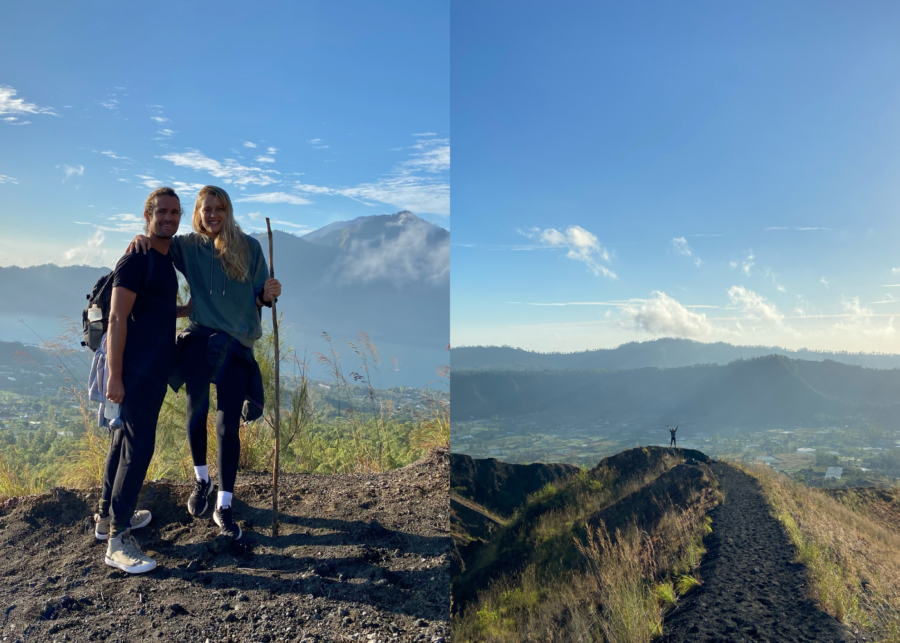
When we think of hiking in Bali, Mount Batur sunrise hike has to be at the top of the list. Perhaps the most popular hiking trail on the island, this active volcano (alongside Mount Agung below) is located in the cool highlands of Kintamani, North Bali. The peak of Mount Batur stands majestically at over 1,700 metres high with the tranquil Lake Batur at its foot. And fear not, because with instructions from the pro guides and multiple beginner-friendly trails which take approximately three hours to complete, you’ll find yourself at the peak, taking in the awe-inspiring view of the first light of the day.
Mount Batur’s beauty is even recognised by UNESCO, and it became the first Geopark mountain in Indonesia. Fancy learning more about this natural beauty? Be sure to make a stop at the Museum Geopark Batur after your hike, and soak up all the knowledge. Psst… some of the nearby hotels and resorts offer a guided sunrise hike up Mount Batur like Samanvaya Luxury Resort & Spa in Sidemen Valley.
Difficulty: Moderate-Hard
Duration: 2-3 hours to summit; 4-5 hours total round trip
Best time to visit: Year-round; dry season (Apr–Oct) preferred
Guide required: Yes, mandatory.
Nearest base: Kintamani
Approx. cost: IDR 400,000–600,000/person (group tour incl. guide & breakfast); IDR 600,000–900,000 (private)
Insider tip: The summit monkeys are bold, so keep an eye on your breakfast.
How to find it: Start from Toya Bungkah village on the western shore of Lake Batur, most guided tours include pickup and transport to the trailhead. If self-driving, head to Kintamani and follow signs down to the lake.
2. Mount Agung
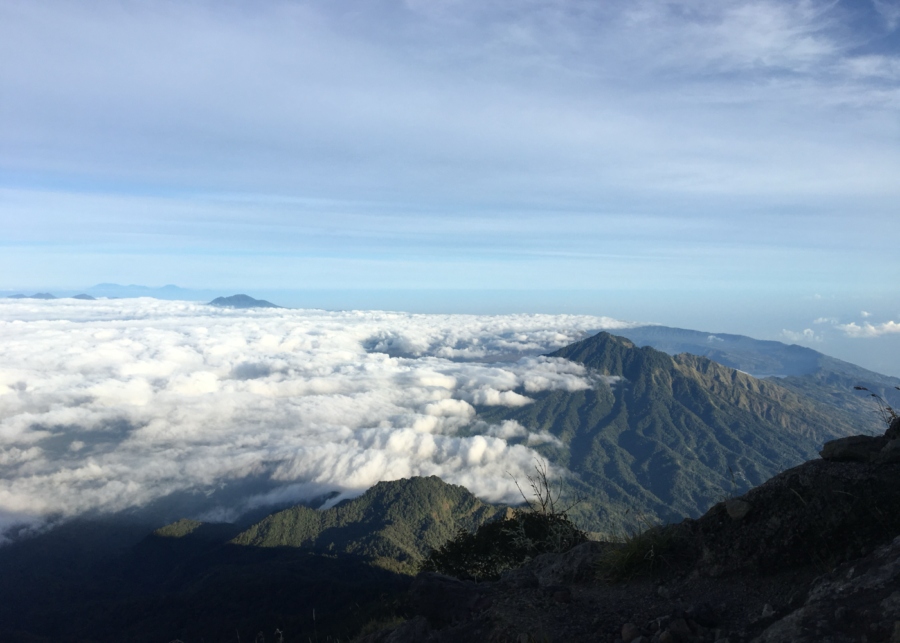
Mount Agung is the tallest mountain in Bali, which just so happens to be an active volcano. Its summit stands over 3,000 metres above sea level, and is considered one of the holiest sites amongst the local residents. Located in Karangasem, East Bali, Mount Agung often attracts avid hikers who are up for the challenge. It takes approximately six to seven hours to reach the summit, so you’ll want to start at midnight to catch the awe-inspiring sunrise from the peak.
The two hiking trails start from Junggul Village that takes you through a longer trail to reach the summit, or Pura Pasar Agung that takes you to the crater rim for a shorter hike. Either way, you’ll want to go with an experienced local guide who understands Mount Agung’s volcanic activity.
Difficulty: Hard (considered Bali’s most demanding hike)
Duration: 12-14 hours total round trip
Best time to visit: Dry season (Apr-Oct); always check volcanic alert status before going!
Guide required: Yes, mandatory.
Nearest base: Sidemen, Amed, Candidasa or Kintamani
Approx. cost: IDR 800,000-1,500,000 depending on route and operator
Insider tip: The mountain closes for certain Hindu ceremonies each year and dates change annually, always verify before you book.
How to find it: There are two trailheads depending on your chosen route. For the Pura Pasar Agung route, head to Selat in Karangasem, the temple is signposted from the main road. For the Junggul Village route, head toward Besakih.
3. Mount Batukaru

A popular trail for hiking in Bali is Mount Batukaru (also called Watukaru). The peak stands at over 2,200 metres above sea level which is a worthy trip for beginner hikers. The trail which starts from Tabanan is easy to walk through, as the mountain houses a temple used for prayers by the local residents of Central Bali. Psst… There are two other trails that take you to the summit, but our fave is the scenic trail which starts from Jatiluwih Village that takes you through one of the largest, most beautiful rice terraces on the island.
Difficulty: Moderate
Duration: 7-9 hours total round trip
Best time to visit: Dry season (Apr-Oct)
Guide required: Not mandatory, but strongly recommended
Nearest base: Tabanan and Jatiluwih Village
Approx. cost: Permit IDR 25,000-50,000 and guided tour from IDR 350,000-500,000+
Insider tip: Leeches are common in the wet season, so long trousers and gaiters are worth packing.
How to find it: The most scenic trailhead starts from Jatiluwih Village in Tabanan Regency. From Jatiluwih, follow the road past the rice terraces and look for the trail signage toward Pura Luhur Batukaru.
WATERFALL HIKES IN BALI
4. Sekumpul & Fiji waterfall trek
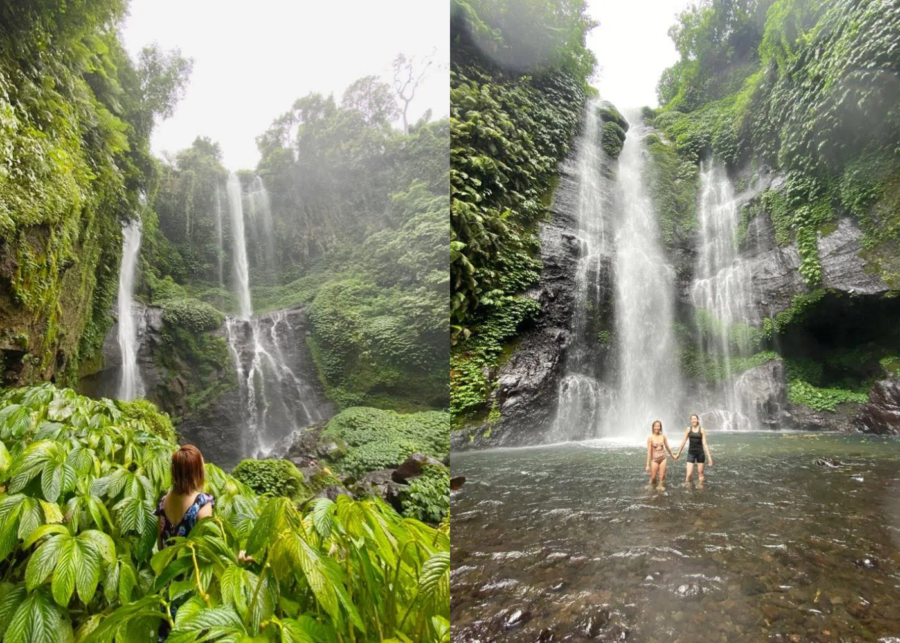
A “Tarzan and Jane”-style adventure, this trail isn’t to be missed if you love discovering hidden sanctuaries, and getting wet and wild along the way! Located in Lemukih Village, there are several trails that take you to the bottom of the stunning Sekumpul and Fiji Waterfalls. Along the way, you’ll trek through plantations and rice paddies, but you’ll want to cool down at Lemukih Waterslide – a natural, 45-metre water slide where you can splish, splash and slip away on a tube! You can even refuel with hot banana fritters after all the adrenaline rush. Then, continue the journey all the way to the bottom of the waterfalls, where lush greenery, freshwater and the calming sound of crashing waterfalls await…
Difficulty: Moderate
Duration: 3-4 hours (medium trek); 4-5 hours (long trek to all 3 falls)
Best time to visit: May-Oct (safer, drier trails)
Guide required: Yes, mandatory.
Nearest base: Lovina (1 hour); Ubud (2-3 hours)
Approx. cost: IDR 20,000 (viewpoint only); IDR 125,000-150,000 (medium trek incl. guide); IDR 200,000-250,000 (long trek to all 3 waterfalls)
Insider tip: Only pay at the official entrance near the “Welcome to Sekumpul” sign, fake checkpoints are common on the approach road.
How to find it: Head to Lemukih Village in North Bali, the official entrance is marked by a ‘Welcome to Sekumpul’ sign. If using Google Maps, search ‘Sekumpul Waterfall Official Entrance’ rather than just ‘Sekumpul Waterfall’.
5. Munduk Waterfalls Hike
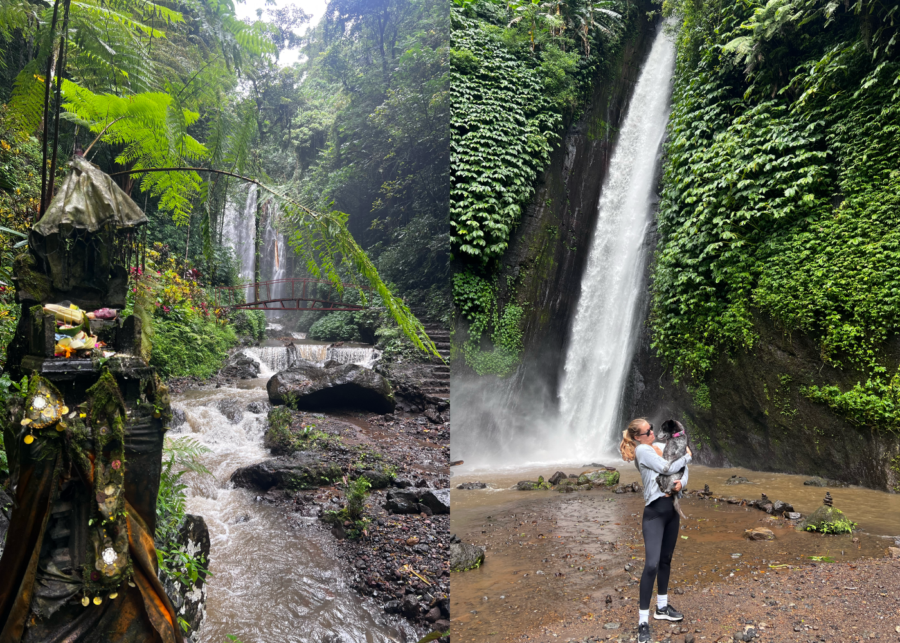
Ahhh Munduk, a sanctuary you simply can’t miss when visiting the highlands of North Bali. The village is always alive with wonderful traditions, and stunning natural surroundings as far as the eye can see. The area is blessed with a number of hidden waterfalls accessible on foot, making it an awesome all-day hiking and waterfall-hopping. Start with perhaps the famous waterfall in the area, Munduk Waterfall (AKA Red Coral Waterfall) – a single spout of water trickling down the mossy rocks. Then, make it a full day of adventure and hit up the other waterfalls nearby.
Difficulty: Easy
Duration: 20-30 mins to each waterfall, allow a full day for hitting all the main falls.
Best time to visit: Year-round
Guide required: No
Nearest base: Munduk
Approx. cost: Small entrance fees of IDR 10,000–20,000 per waterfall
Insider tip: Our fave is the Golden Valley Waterfall with a few cafes in the area, so you can sit back, refuel and just take it all in.
How to find it: Munduk village is located in the highlands of North Bali, the village is the hub and most waterfalls are accessible on foot or with a short drive between them. Start with Munduk Waterfall (Red Coral Waterfall), which is the easiest to find from the main village road.
JUNGLE TREKS IN BALI
6. West Bali National Park
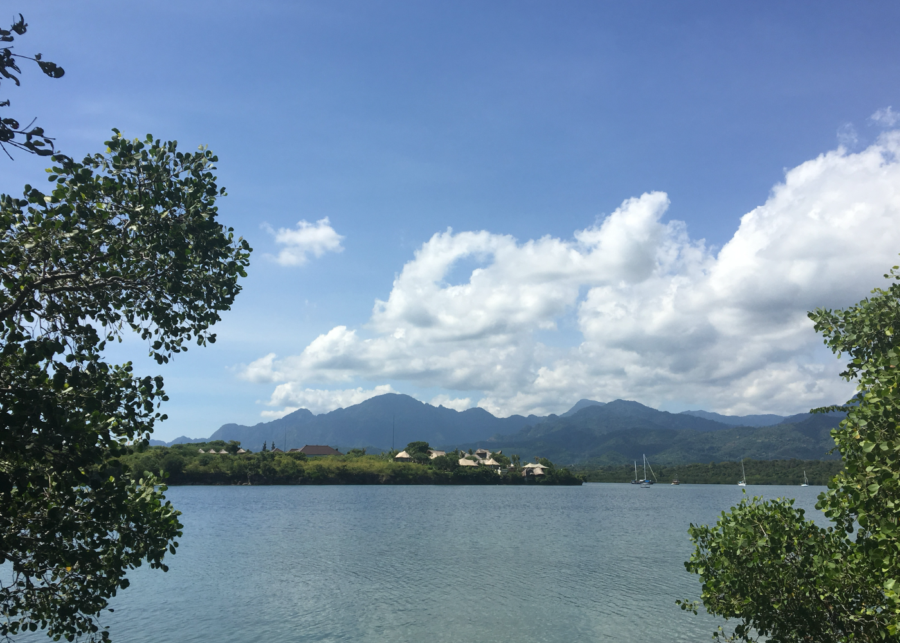
Animal lovers, this one’s for you! Get closer to nature and head to Taman Nasional Bali Barat AKA West Bali National Park. This 77,000-hectare of untouched landscape is home to hundreds of species of the island’s native flora and fauna. Take a nice, long trek through the park and spot mountains, jungles, mangroves, and of course, the resident animals. If you’re lucky, you’ll spot Bali’s native birds (AKA Jalak Bali), as well as cute deer. You can even take a trip to the nearby Menjangan Island, swim away in the crystal-blue waters and find Nemo amongst the vibrant corals… It’s the best kind of close encounter!
Difficulty: Easy-Hard (depending on the trail)
Duration: 2 hours (Tegal Bunder birdwatching trail) and 5-8 hours (Gunung Klatakan climb)
Best time to visit: Dry season (Apr-Oct)
Guide required: Yes, mandatory for all activities
Nearest base: Gilimanuk, Labuan Lalang, and Pemuteran
Approx. cost: Entry IDR 200,000/person (weekday), IDR 300,000 (weekend/public holiday); Guide starting from IDR 350,000 and Menjangan Island boat IDR 350,000-650,000
Insider tip: Permits and guide bookings must be arranged at one of only two official entry points, Cekik or Labuan Lalang.
How to find it: There are only two official entry points, Cekik Visitor Centre near Gilimanuk and Labuan Lalang on the north coast near Pemuteran. Labuan Lalang is also the main departure point for Menjangan Island boat trips.
Cekik Visitor Centre Labuan Lalang
7. Regenerative trails with Astungkara Way
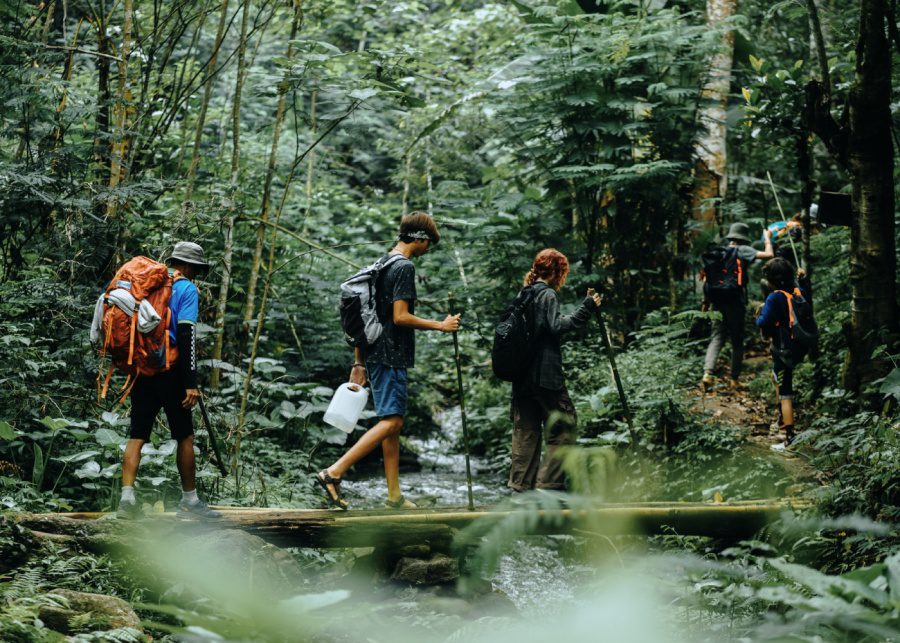
“Astungkara” is a Balinese word of prayer for the Gods to bless the path forward – and blessed it is! Astungkara Way leads hikers through not only trekking trails, but also a journey to discover what Bali is really about. This team of avid trekkers are set on creating a regenerative way of tourism, AKA giving back to the rural communities. You’ll get a chance to take it all in, live off-the-grid, and truly connect with the environment and the local villagers you’ll meet along the way. You can choose between a two- to 10-day trek (up to 135 kilometres!) through the northern side or from South to North Bali, during which you’ll sleep in the open air, eat like a local and immerse yourself in Bali’s wonderfully rich culture.
Difficulty: Easy
Duration: 2-10 days depending on the packages you choose.
Best time to visit: Year-round
Guide required: Local guides included in all packages
Approx. cost: Starting from IDR 1,400,000++
Insider tip: If you want the full experience, splurge for the 10-day full trail. It passes through rice terraces, sacred springs, farming villages and mountain rainforest.
How to find it: The Astungkara Way team handles all logistics including pickup, and routes vary depending on the package chosen.
8. Twin Lakes Trek

Make full use of Bali’s UNESCO World Heritage site and head north to the nature reserve surrounding the Twin Lakes. Located near Wanagiri Hidden Hills (home to a famous Bali swing), Bali Twin Lake Trekking Point marks the start of your nature adventure.
From here, you’re at the vantage point of the twin lakes, Lake Buyan and Lake Tamblingan. They’re two of the less touristy lakes on the island, yet just as magical as the famous Lake Batur. Along the way down to the lakes, you’ll trek through untouched jungle vista, plantations, rice paddies and small temples. The resident monkeys might even come out to say hello. When you reach the lakes, you can go fishing, rent a canoe or set up camp for the night.
Difficulty: Moderate
Duration: 4-5 hours for the full jungle trek
Best time to visit: Dry season (Apr-Oct)
Guide required: You can walk the lakeside paths alone, but the Jungle Trek requires a local guide from the Tamblingan community.
Nearest base: Munduk, Bedugul
Approx. cost: No general entrance fee for the lakes
Insider tip: Here, you can also visit the nearby villages where you get to mingle with the locals!
How to find it: Head to Wanagiri village on the main road between Singaraja and Bedugul, the trekking point is near the famous Wanagiri Hidden Hills viewpoint, which is well-signposted.
EASY WALKS IN BALI
9. Tegallalang Rice Terrace
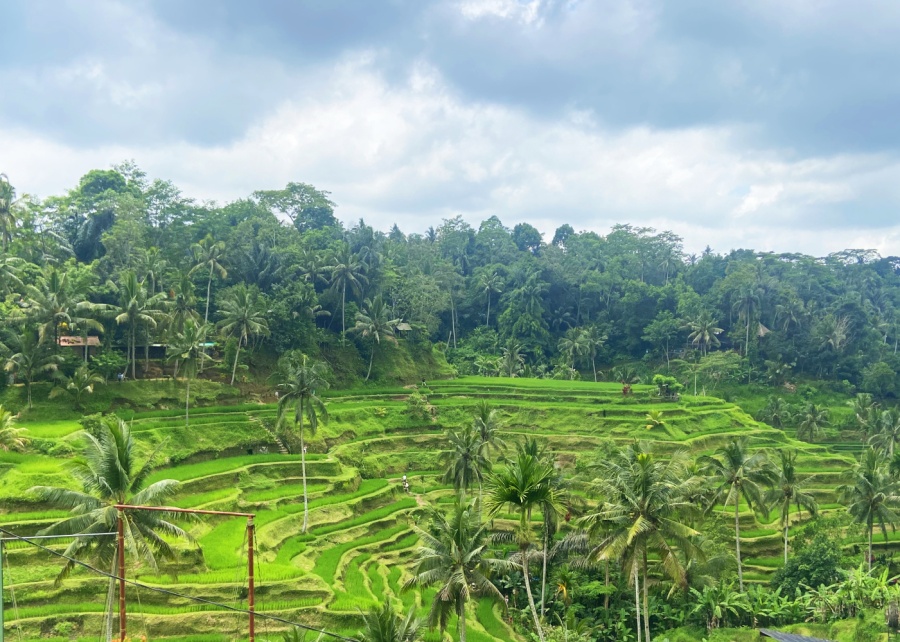
Home to countless breathtaking rice paddies, it’s no surprise that trekking through these emerald greenery is an outdoor activity that should make it on your Bali bucket list. One of the top destinations is Tegallalang Rice Terraces in Bali’s cultural capital, Ubud. This Insta-famous spot is loved for its breathtaking, stair-like rice fields that seemingly stretch to infinity. Trek through these lush rice paddies, and meet and greet the hard-working farmers tending to their crops everyday. And psst… if you love this, you’ll also want to check out Jatiluwih rice terraces with its miles of lush greenery overlooking the golden sunset.
Difficulty: Easy
Duration: 1-2 hours (leisurely walk through the terraces)
Best time to visit: Year-round.
Guide required: No
Nearest base: Ubud
Approx. cost: Entry from IDR 20,000-50,000 depending on access point, additional fees for swings and photo installations.
Insider tip: The terraces get very busy from mid-morning onwards, arriving at or just after sunrise gives you the terraces almost entirely to yourself.
How to find it: Located about 20 minutes north of central Ubud along Jalan Raya Tegallalang. It’s one of the most well-signposted attractions in the area and easy to reach by scooter or car.
10. Campuhan Ridge Walk
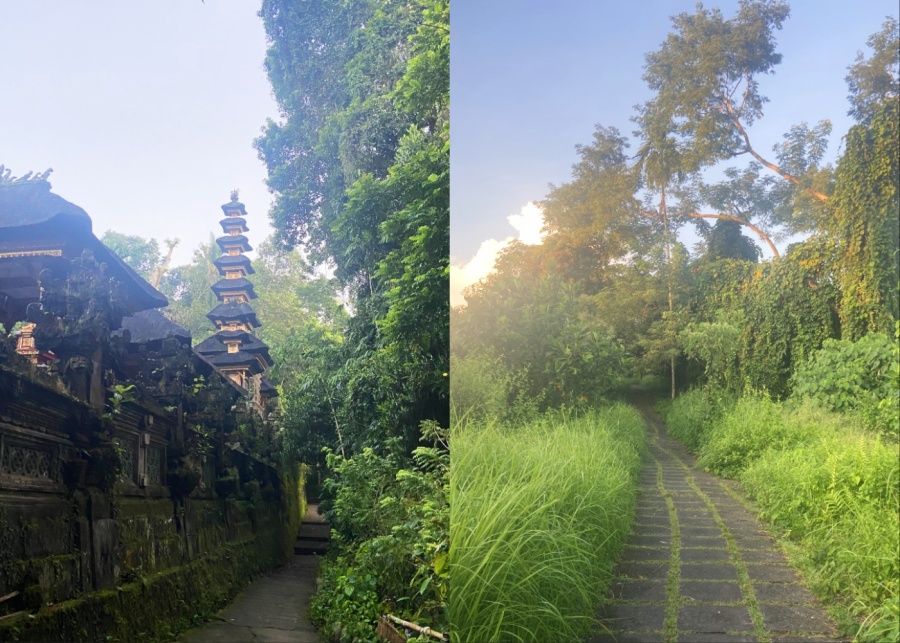
If hiking in Bali is something you’ve always wanted to do but you’re not sure about the slippery slopes, then you’ll want to start nice and slow. Go for a leisurely walk through the two-kilometre stretch of Campuhan Ridge Walk. It’s a paved walking trail surrounded by beautiful valleys and local villages, located right in the heart of Ubud. This trail is relatively flat, making it a family friendly trail for a day out with the little explorers!
Difficulty: Easy
Duration: 2 hours
Best time to visit: During dry season for mud-free paths.
Guide required: No
Nearest base: Ubud
Approx. cost: Free
Insider tip: The entrance is tucked behind the Ibah hotel where the Wos and Cerik rivers meet, easy to miss if you’re following Google Maps.
How to find it: The trailhead is in central Ubud, tucked behind the Ibah Luxury Villas hotel where the Wos and Cerik rivers meet.
11. Pecatu Walking Track
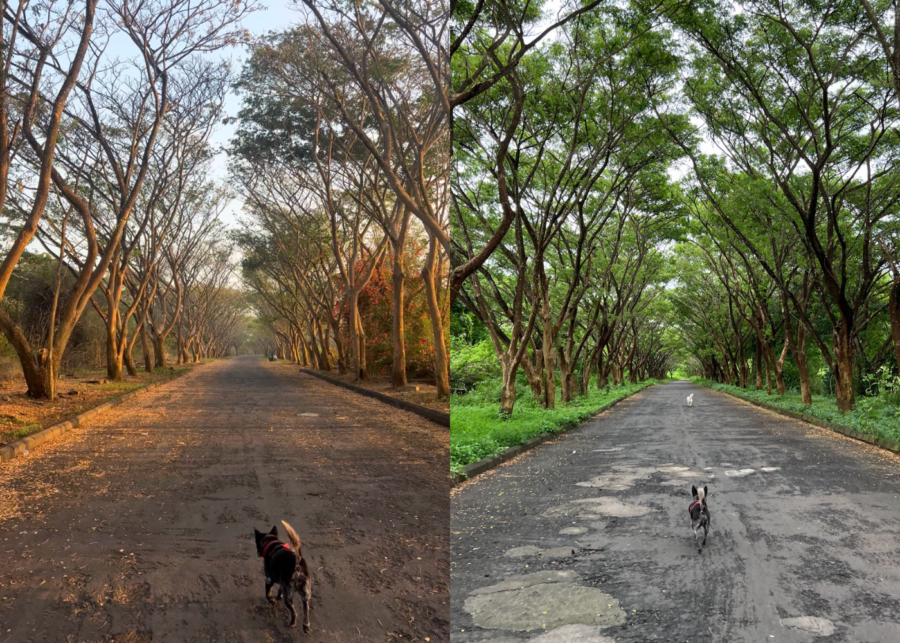
If you’re based in Uluwatu and just want something easy, scenic and super accessible, this one’s for you. Looping around New Kuta Golf, this Pecatu Walking Track has become a go-to for locals looking to get their steps in. Expect a mix of paved roads and grassy stretches, with gentle hills, open views and a peaceful pond that you can enjoy.
It’s not your typical jungle trek or mountain hike, but that’s exactly the appeal. You’ll find people jogging laps, walking their dogs, or squeezing in a casual workout, especially in the early morning or just before sunset. There’s also a social buzz around the pond, thanks to cafés like Banyoo and Two Roots overlooking the water (with parking nearby too!), making it a solid spot to refuel post-walk.
Difficulty: Easy
Duration: 45-60 minutes per loop, longer if you explore side routes.
Best time to visit: Early morning or late afternoon
Guide required: No
Nearest base: Pecatu, Uluwatu
Approx. cost: Free
Insider tip: Head away from the main road and you’ll find hidden paths, parks and quieter walking loops.
How to find it: The track loops around New Kuta Golf in Pecatu, or you can use Banyoo Café or Two Roots on Google Maps as starting points.
Love this list of the best places to hike in Bali? Fill up your itinerary with more awesome things to do across the island!
FAQs on hiking in Bali
How difficult is hiking in Bali?
Bali has trails for all fitness levels. The Campuhan Ridge Walk and Tegallalang Rice Terraces are suitable for beginners and families. Mount Batukaru is a moderate challenge, while Mount Agung is strictly for experienced hikers due to its 3,000m+ elevation.
What is the best time of year to hike in Bali?
The dry season between April and October is the best time to hike in Bali. Trails are less slippery, visibility is better for sunrise hikes, and there's far less risk of getting caught in heavy afternoon downpours.
Is it safe to hike active volcanoes in Bali?
Yes, with the right preparation. Both Mount Batur and Mount Agung are active volcanoes that are continuously monitored by Indonesian authorities. Always check the current volcanic alert level before heading out, go with a certified local guide, and follow any official trail closures or warnings. Neither mountain should be attempted alone or without prior research.
Can I hike in Bali during the rainy season?
Yes, but with caution. Trails become significantly more slippery during the wet season between November and March, and some routes like Mount Batukaru can become extremely muddy and leech-heavy.
Are there any cultural rules I should follow when hiking in Bali?
Yes, and they matter. Many trails pass through or near active temple grounds and sacred mountains, so modest clothing is expected. Always ask before photographing ceremonies, follow your guide's lead on local customs, and never litter. Bali's natural spaces are sacred to the communities that call them home.