Master the art of ordering kopi in Singapore with our complete guide to local coffee terms, including kopi o and siew dai.
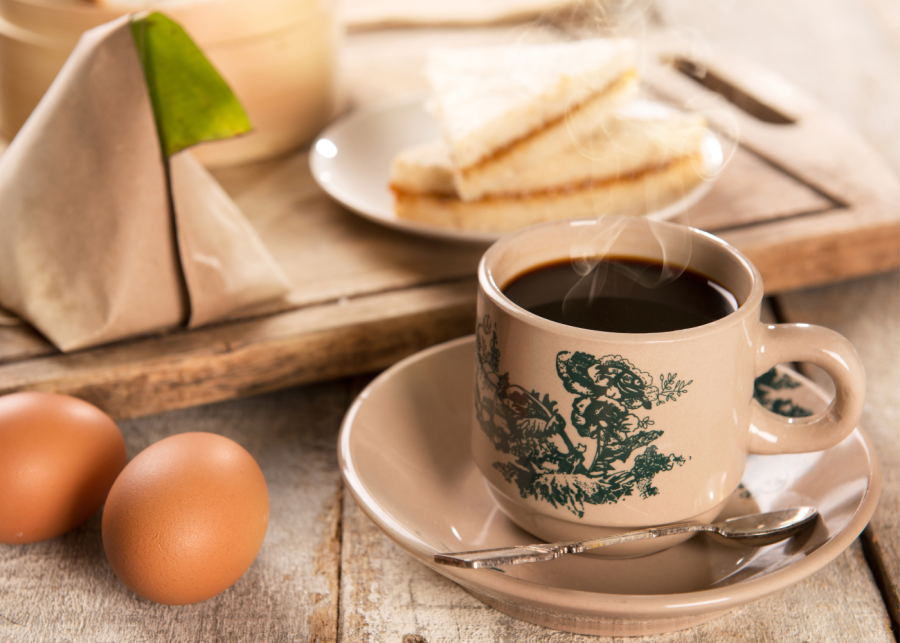
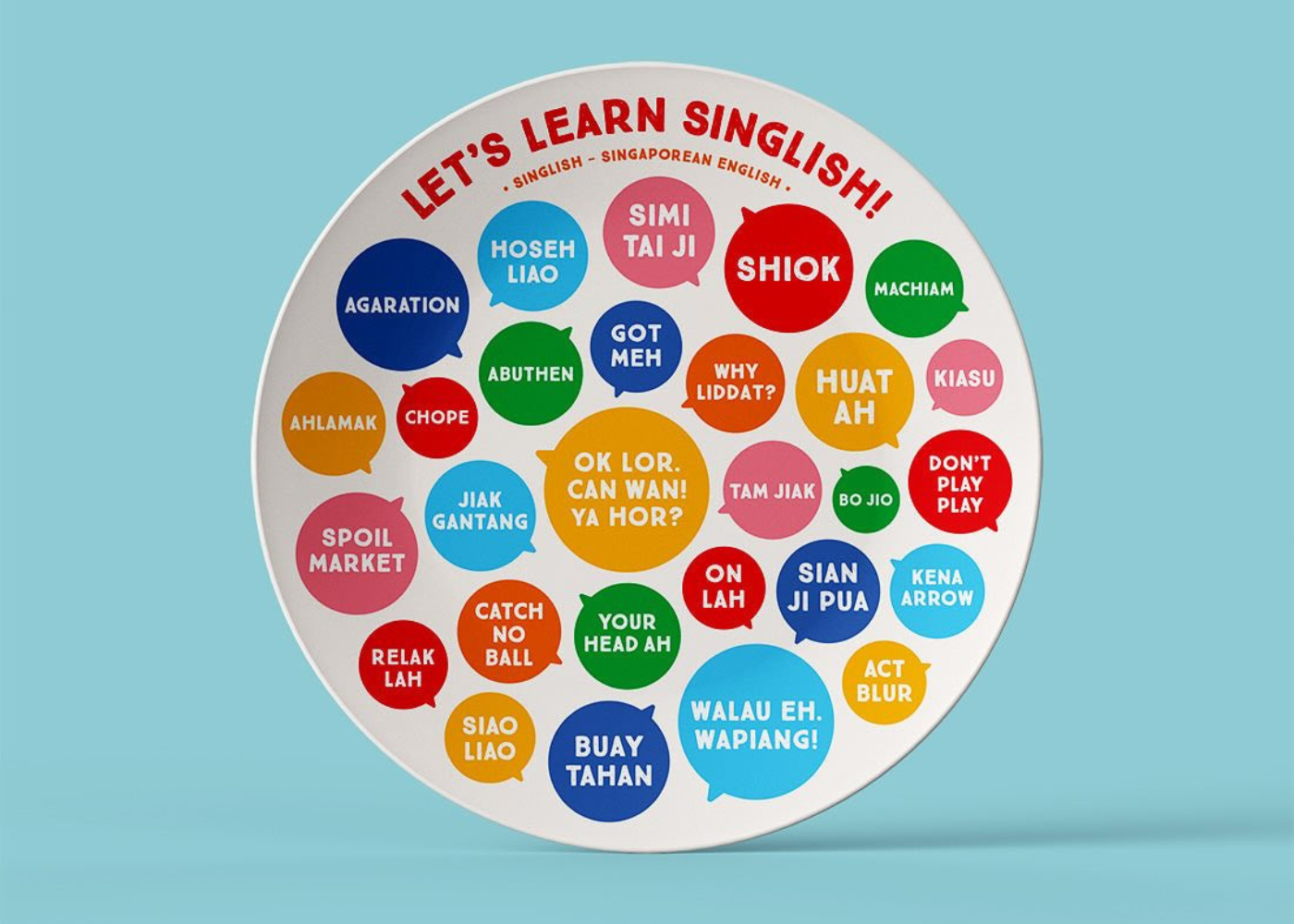
Don’t know how to order kopi in Singapore? We get it. Walking into a kopitiam for the first time can feel like joining a secret club where everyone seems to know the lingo except you. But once you understand the types of kopi in Singapore, you’ll never look back. From “kopi C siew dai” to “kopi O kosong peng”, our Singapore kopi guide helps you crack the code so you’ll be chatting with the hawkers like a regular in no time. Want a true local breakfast? Pair your kopi with runny eggs and the best kaya toast in Singapore – it’s legendary! P.S. read our Singlish guide for more tips on Singapore’s colloquial language.
Basic kopi orders
Kopi
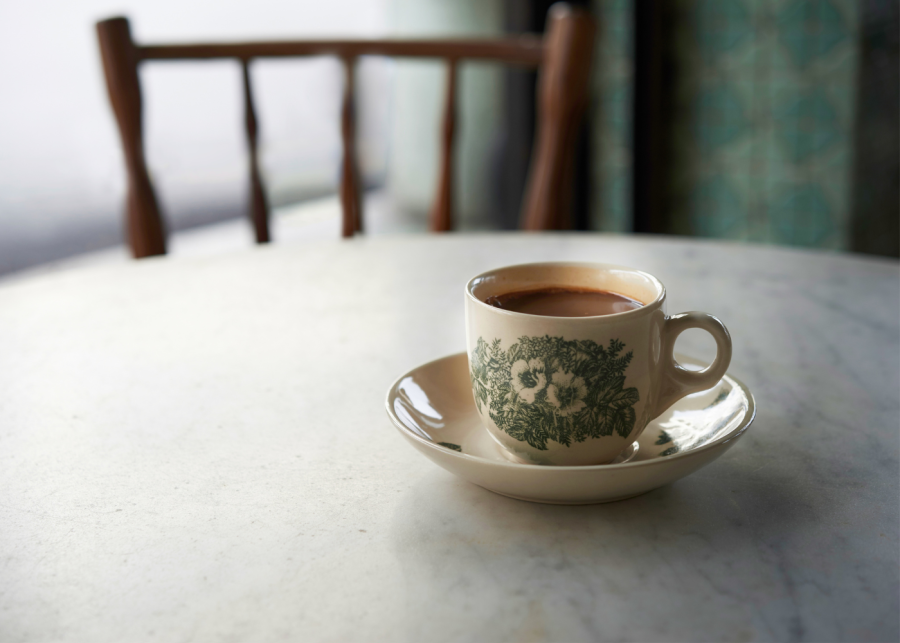
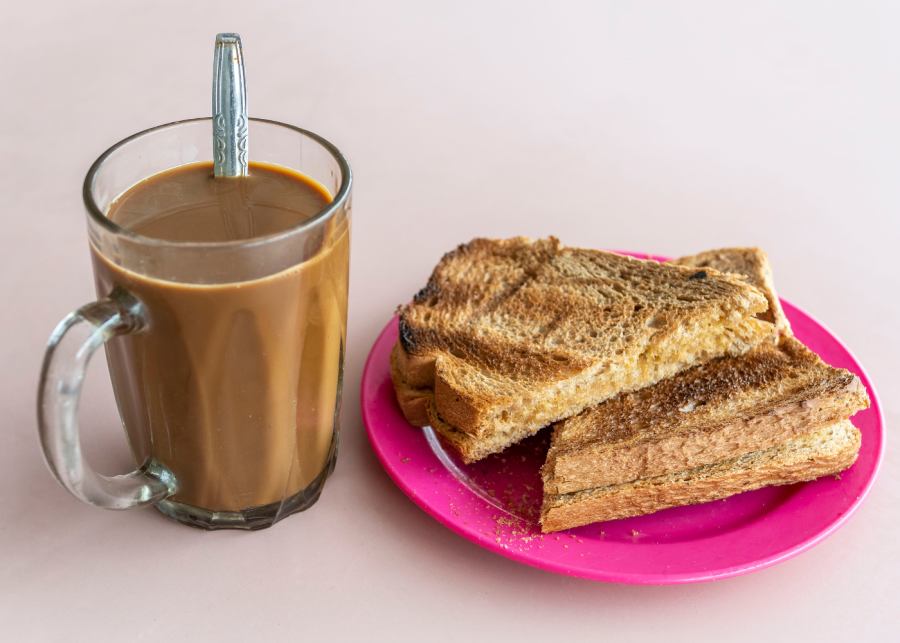
Kopi (pronounced “ko-pee”) is Singapore’s classic local coffee, made with condensed milk and sugar for that thick, creamy, sweet finish. The beans are roasted with margarine, which gives every cup a rich, caramel taste that’s unlike your usual flat white.
Kopi O
Kopi O, the strong, no-nonsense cousin of kopi, is black coffee with sugar but no milk. Think of it as a Singaporean Americano. It’s bold but not bitter, and perfect if you want something less creamy but a little sweet. This is the go-to if you’re skipping dairy and need a quick wake-up call.
Kopi C
Here’s a local secret: the “C” comes from Carnation, the tinned evaporated milk brand. Kopi C uses this instead of the usual condensed milk, making it lighter, smoother, and less sweet. With added sugar, Kopi C is our top tip for anyone new to Singapore coffee – it’s a gentle intro before you dive into the deep end.
Kopi Kosong
“Kosong” means “empty” in Malay, so kopi kosong is just coffee and water – no milk, sugar, or anything extra. This is as pure as local coffee gets. It’s great for anyone who likes a strong brew or wants to watch their sugar intake.
Customised kopi orders
Siew Dai (less sweet)
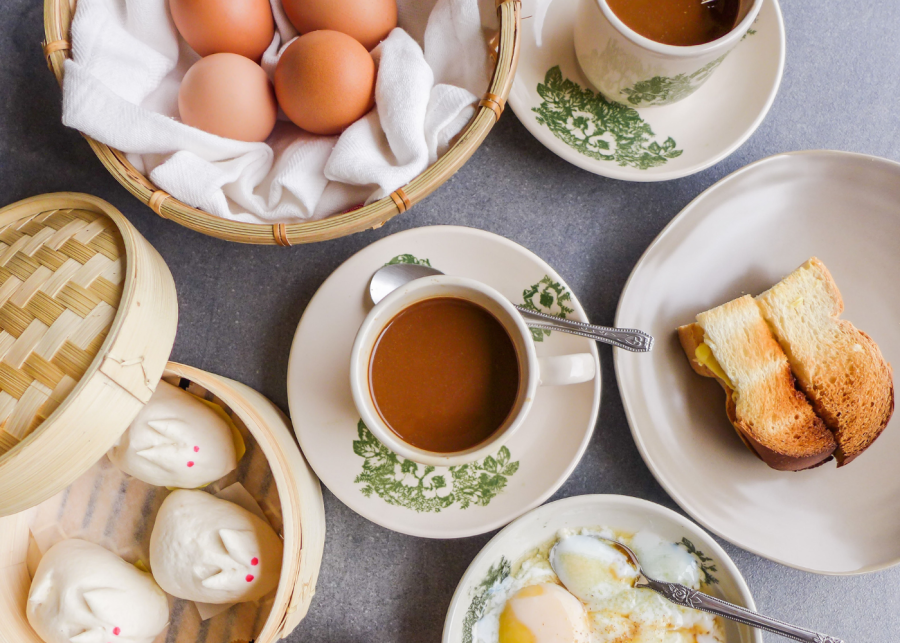
If you’re cutting down on sugar, “siew dai” (say: “see-ew die”) is the magic phrase. Add it to any kopi order, and your coffee comes with less sugar. For example: kopi siew dai, kopi C siew dai, or kopi O siew dai.
Gah Dai (extra sweet)
Got a sweet tooth? “Gah dai” means extra sugar. Add it to any kopi combo, and you’ll get a super sweet, energy-packed cup. Use this one sparingly for the sake of your health.
Gau (strong) and Po (weak)
Some mornings need more muscle. Order your kopi “gau” for a stronger brew, with more coffee and less water. If you want something gentler, “po” is the word for watered-down kopi.
Peng (iced)
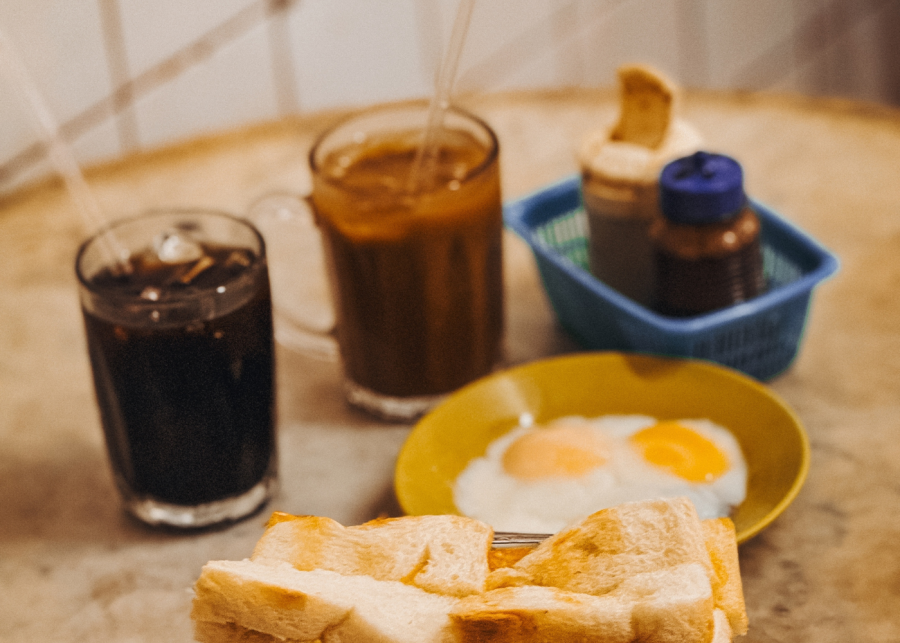
When Singapore’s heat gets too much, “peng” (meaning ice) saves the day. Just add “peng” to any kopi order – kopi peng, kopi O peng, kopi C kosong peng – and it’s served over ice for the best way to beat the humidity.
Advanced kopi orders
Yuan Yang
For those who can’t choose between coffee and tea, yuan yang is the best of both worlds. It’s a blend of coffee, tea, and condensed milk for a smooth and sweet drink loaded with caffeine. We love it when we need to power through back-to-back meetings.
Kopi Tarik
“Kopi tarik” means “pulled coffee,” and watching it made is half the fun. It’s poured back and forth between jugs to cool it and create a frothy top. The foam gives it a silky texture, and the pouring show is a hawker classic. It’s a must-try for tourists!
Kopi Gu You
Kopi gu you is the original butter coffee, long before the keto craze. It’s a hot cup of kopi with a pat of melty butter for a rich, creamy, and smooth drink. The old-timers swear by it for lasting energy.
Kopi Di Lo
If you want serious caffeine, kopi di lo is the answer. “Di lo” means extra thick and strong, so you get a concentrated, almost syrupy coffee in a small cup. Warning: it’s intense!
Kopitiam etiquette: How to order like a pro
Essential ordering phrases: Want to blend in with the locals? Greet the staff with “uncle” or “auntie” – it’s friendly and respectful. Need your kopi to go? Just say “dabao” (“da-bow”) and you’re sorted.
Common mistakes to avoid: Don’t worry if you stumble over the words – everyone does at first. Hawker service is quick and no-frills, so don’t expect a long chat. Just don’t rush the aunties and uncles, especially when the place is packed. A little patience goes a long way.
Peak hours and timing: Kopitiams and hawkers are packed at breakfast (7am to 9am) and lunch (12pm to 2pm), so have your order ready and speak up. If you want a more relaxed vibe, go in the late afternoon or on weekends. Early mornings are for hardcore kopi fans; afternoons are best for taking it slow and people-watching.
Popular kopi combinations to try: If you’re new to this, kopi C is gentle and easy. Feeling bold? Kopi O kosong gives you the pure coffee taste, or try yuan yang if you want coffee and tea in one cup. When the sun’s blazing, kopi C siew dai peng is our top pick. On weekends, go for kopi tarik and enjoy the show.
With our handy guide on how to order kopi in Singapore, you’re officially in the coffee club! Start with the basics, try out the extras as you go, and don’t be shy about mixing things up.
Frequently Asked Questions
What does 'kopi' mean in Singapore?
Kopi is Singapore's term for local coffee, typically made using beans roasted with margarine and sugar, then brewed through a traditional cloth "sock" filter.
Can I order kopi in English at kopitiams?
Yes, most kopitiam or hawker staff understand English, but using traditional kopi terms shows cultural respect and may result in better service. You can say "coffee with milk" instead of "kopi," but learning the local terminology enhances your experience and helps you integrate into Singapore's coffee culture.
What's the most popular kopi order in Singapore?
Kopi and kopi O are the most popular orders, with many locals preferring kopi C for its balanced sweetness. Mornings lean toward stronger preparations like kopi gau, while afternoon orders often include "peng" (iced) variations to beat the heat.
How much does kopi cost in Singapore?
Kopitiam and hawker coffees are typically priced between $1 and $2, making them significantly cheaper than cafe coffee, which ranges from $5 to $9. Prices vary based on location, with CBD kopitiams charging slightly more than neighbourhood ones. Basic kopi costs less than specialty orders like yuan yang.