Ever wondered about the meaning of lucky Chinese New Year dishes? Three Chinese chefs in Singapore give us the lowdown.
It’s time to maximise your good fortune with lucky dishes for Chinese New Year in Singapore! Food plays a major part in the festive celebrations, which is why you see similar dishes on many family tables. If you’ve ever been curious about the meaning, symbolism, and superstitious punniness behind Chinese New Year dishes, we spoke to three Chinese chefs in Singapore to get the lowdown. While you’re here, why not learn about more superstitions in Singapore?
Lucky Chinese New Year dishes and their meaning
1. Dumplings
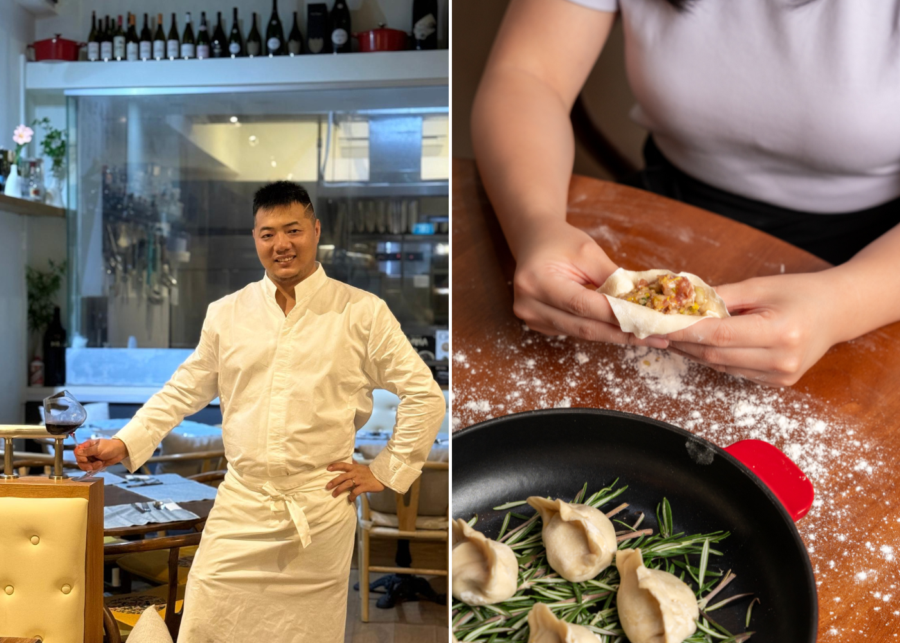
The significance of dumplings: Because the dumpling shape is reminiscent of gold ingots, they represent wealth and prosperity. The belief is that eating them will attract fortune.
What it means to chef Ethan: Beyond their symbolism, how dumplings are created adds to their meaning. For chef-owner Ethan Lee of Cougar Lee, family celebrations always centred around dumplings. “No matter where we lived, my grandmother would gather us home every year to make dumplings,” he says. The process of making dumplings wasn’t just an activity; it created an opportune moment for family members to get together, converse, and spend time together.
Where to try it: Cougar Lee, complimentary dumpling-making experience available with the Chinese New Year set menu, 61 Tras Street, Singapore 079000
2. Nian Gao
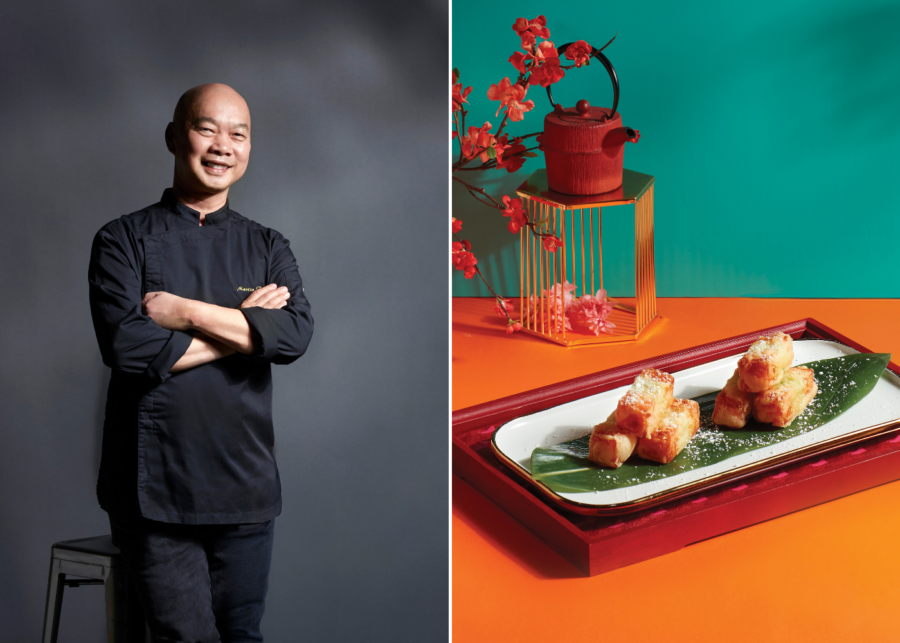
The significance of nian gao: Because of its pronunciation, nian gao sounds like “year higher” in Mandarin, symbolising progress and getting better every year.
What it means to chef Martin: “In Chinese culture, we eat glutinous rice during Chinese New Year because the sticky texture represents family togetherness – just like how the rice grains stick together, we want our families to stay close and united,” says Martin Foo, group executive chef of Crystal Jade Group.
Where to try it: Crystal Jade, golden pumpkin prosperity glutinous rice niangao, multiple locations including Paragon, VivoCity, Tampines 1, and more
3. Peking Duck
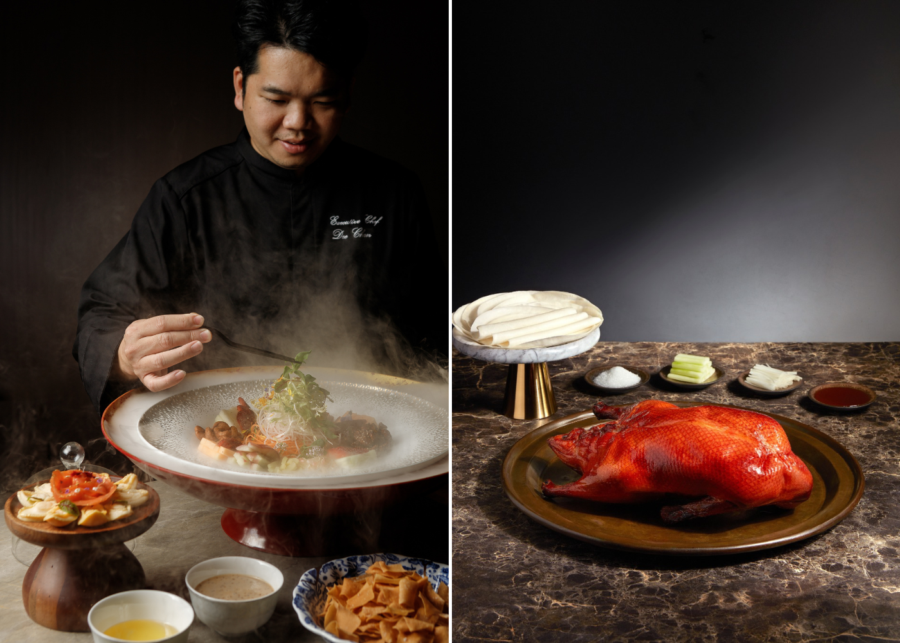
The significance of Peking duck: Peking duck is a popular celebratory dish at Chinese restaurants across the world. It was historically served to royals and dignitaries, representing precision, balance, and respect for technique.
What it means to chef Dee: “For me, Peking duck is a dish where every detail matters,” says executive chef Dee Chan of The Black Pearl. It shows in The Black Pearl’s signature Peking duck, where everything is scrutinised, down to the weight of the duck, which must be exactly 2.6kg to ensure balance between the skin, fat, and meat. Because this was a dish served to royalty, respect is given to its preparation, allowing customers to experience a taste of lavishness.
Where to try it: The Black Pearl, The Black Pearl Peking Duck, #07-11/12, Odeon 333, 333 North Bridge Road, Singapore 188721
4. Longevity Noodles
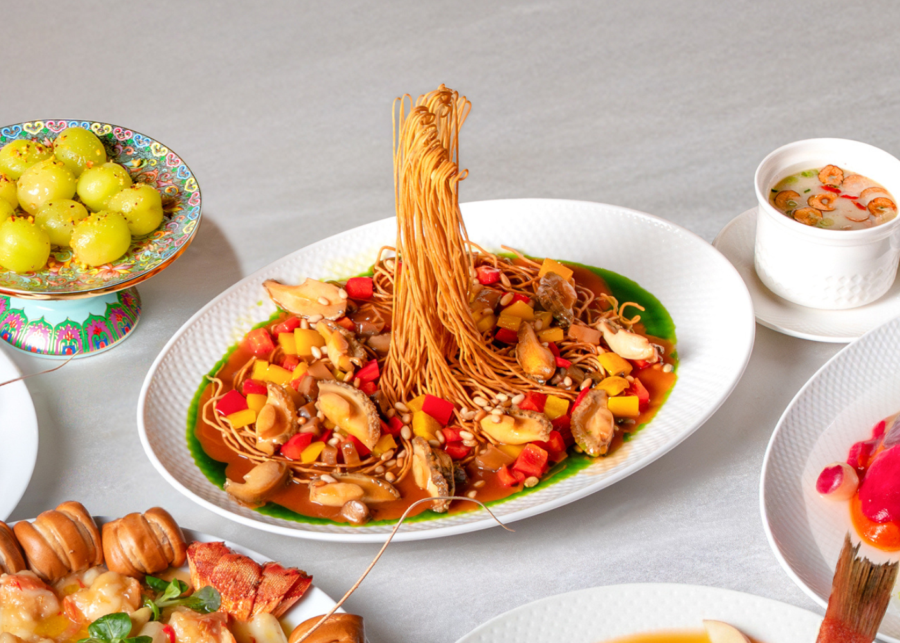
The significance of longevity noodles: Served in exceptionally long, unbroken strands, longevity noodles symbolise a long and healthy life. They’re believed to extend the eater’s lifespan and increase luck if they’re eaten without breaking the strands.
What it means to chef Ethan: For chef-owner Ethan Lee of Cougar Lee, he recalls the dish being a staple at reunion dinners with his family, with added pizzazz from premium ingredients like prawns and lobster. “Families made the effort to prepare the best dishes to celebrate the occasion together. It’s to ensure everyone is happy and well-fed,” he tells me.
Where to try it: Cougar Lee, homemade noodles served with either butter garlic lobster or braised abalone and Jamon Iberico de Bellota, 61 Tras Street, Singapore 079000
5. Lap Mei Fan
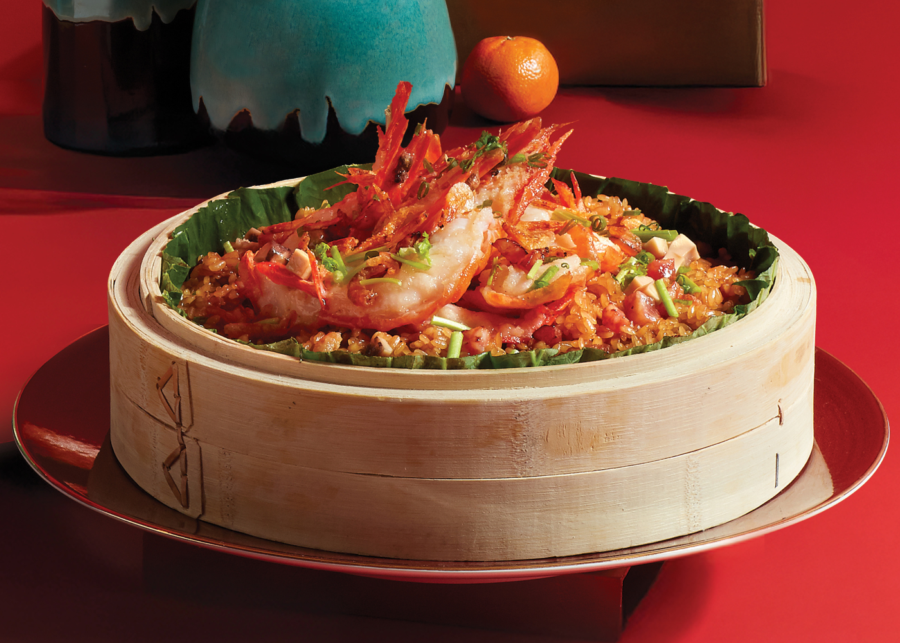
The significance of lap mei fan: Typically prepared in a claypot, the dish features glutinous rice topped with traditional cured meats like Chinese sausage, liver sausage, and preserved duck. It symbolises prosperity, wealth, and a successful completion of the winter season.
What it means to chef Martin: “Glutinous rice is a very warming food. In traditional Chinese cooking, we believe it helps warm the stomach and give energy during the cold winter season,” says executive chef Martin Foo of Crystal Jade group. He tells me that in Southern China, especially in the Guangdong region, it’s an important tradition. It’s reminiscent of food practices in ancient China, where people would preserve meat during winter.
Where to try it: Crystal Jade, sakura shrimp glutinous rice and preserved meat, golden pumpkin prosperity glutinous rice niangao, multiple locations including Paragon, VivoCity, Tampines 1, and more
6. Pen Cai
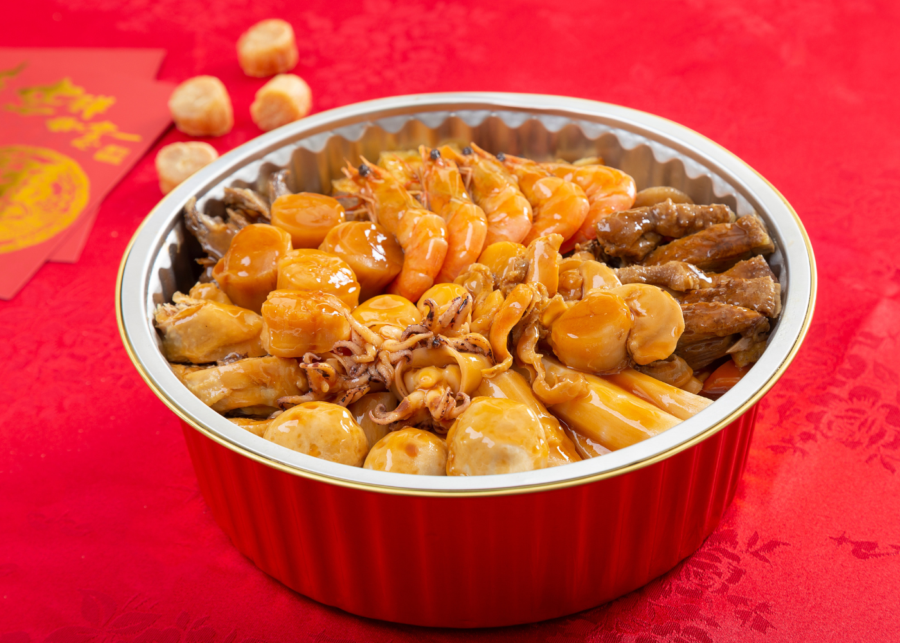
The significance of pen cai: Pen cai translates to “basin of vegetables”. However, unlike its lacklustre definition, pen cai is a luxurious dish filled with coveted ingredients like abalone, fish maw, scallops, prawns, and roasted meat. It symbolises abundance and collective prosperity, and the layers of ingredients represent accumulating blessings.
What it means to chef Dee: Chef Dee Chan of The Black Pearl recalls fond memories of this dish. When he lived in Hong Kong, he stayed in a village called Chen Jia Village. It was common during Chinese New Year for villagers to eat together and share a pot of pen cai. “It wasn’t just about the food; it was about the entire village coming together. That sense of gathering around one dish to share is what the heart of pen cai means to me,” he says.
Where to try it: The Black Pearl, prosperity 10-head abalone treasure pot, #07-11/12, Odeon 333, 333 North Bridge Road, Singapore 188721
Now you can impress your family with your newfound knowledge of lucky Chinese New Year dishes and their meanings!
Frequently Asked Questions
Why are certain foods considered lucky?
Many dishes are chosen because their names sound similar to auspicious words in Mandarin or Cantonese. Some are chosen because their shapes symbolise prosperity, or are eaten by the wealthy.
What fruits are considered lucky?
Oranges, tangerines and pineapples are popular lucky fruit.
The Chinese name for oranges sound similar to words that mean fortune and prosperity in Chinese. Their golden orange hue also signifies abundance.
In Hokkien, the word for pineapple sounds like "prosperity arrives". That's why pineapple tarts are a popular snack and you might see pineapple-themed decorations.
What does eating fish symbolise?
The word for fish in Chinese sounds like the word for abundance, so eating fish is meant to bring more wealth. It's also common to leave some fish behind to symbolise continued prosperity.
Are sweet desserts considered lucky?
Yes! Sweet food symbolise a sweet life. A popular dessert is tang yuan (glutinous rice balls), which also represent family togetherness.
Are Chinese New Year dishes the same across all families?
Not exactly. While many lucky dishes like dumplings, nian gao, and longevity noodles are commonly enjoyed, Chinese New Year food traditions can vary by region, family heritage, and personal customs. What stays consistent is the shared belief in food as a symbol of good fortune and togetherness.