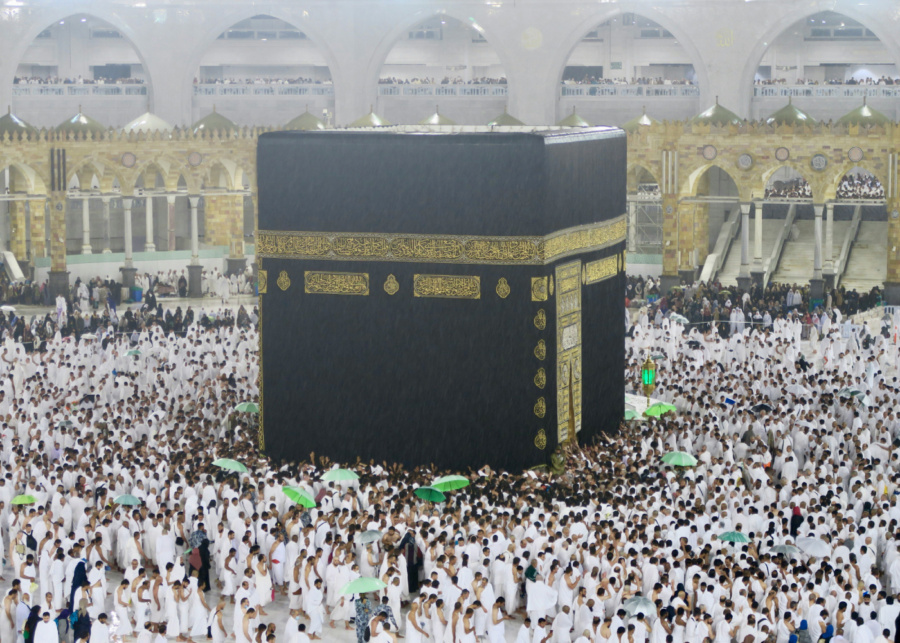
Here’s what you need to know about Hari Raya Haji in Singapore – from its significance to what takes place on the actual day. And nope, it’s still not the Islamic new year.
Hari Raya Haji is one of the most important Muslim festivals celebrated in Singapore and globally. This year’s festivity falls on 27 May 2026, following Hari Raya Puasa earlier in the year. If you’re curious about what the occasion represents and how it’s observed here, we’ve put together a quick guide to its meaning, significance, and traditions.
What is Hari Raya Haji?

Hari Raya Haji, also known as Hari Raya Aidiladha or Eid al-Adha, is the second major Muslim celebration observed worldwide. The festival commemorates the story of Prophet Ibrahim, who God commanded to sacrifice his son, Ismail, as a test of faith. Just before the sacrifice took place, God replaced Ismail with a lamb instead. Because of this, Eid al-Adha is often referred to as the “Festival of Sacrifice” or “Feast of the Sacrifice”.
The occasion also marks the end of Hajj, the annual pilgrimage to Mecca that Muslims are encouraged to perform at least once in their lifetime if they are financially and physically able.
When is Hari Raya Haji 2026 in Singapore?

Hari Raya Haji in Singapore is expected to fall on 27 May 2026, though the official date is subject to confirmation based on the sighting of the new moon. Like Hari Raya Puasa, the celebration follows the Islamic lunar calendar, which is shorter than the Gregorian calendar. That’s why the date changes every year.
Fun fact: because of how the lunar calendar works, Hari Raya Haji can technically occur twice in the same Gregorian year. The last time that happened in Singapore was in 2007.
How is Hari Raya Haji celebrated?
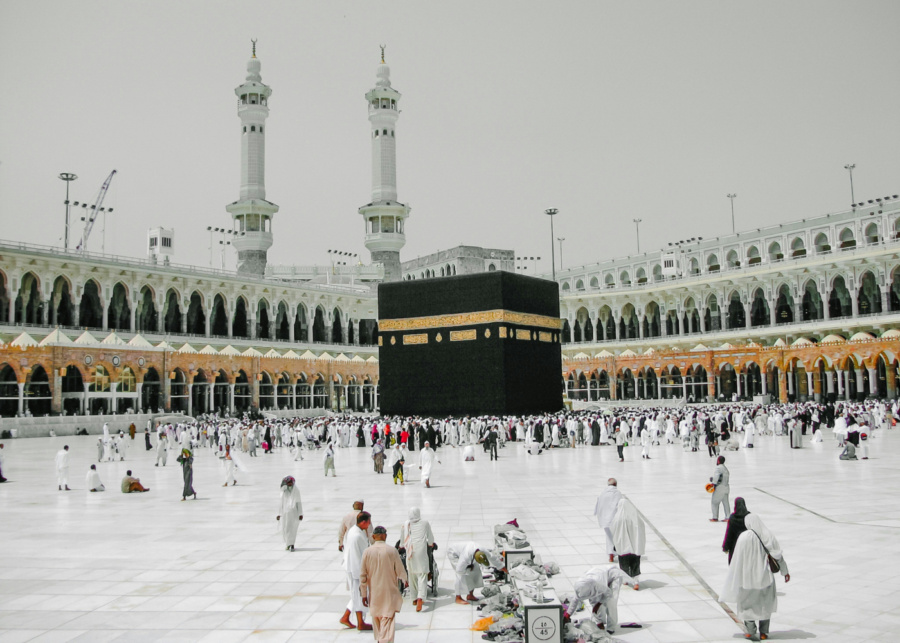
Hari Raya Haji is observed over four days and falls on the 10th day of Zulhijjah, the final month in the Islamic calendar. The day typically begins with special prayers at the mosque, followed by sermons and gatherings with loved ones. Muslims may spend the rest of the day visiting relatives, sharing meals, or resting at home.
Unlike Hari Raya Puasa, the mood is generally more subdued and reflective. Some Muslims also choose to fast on the eve of Hari Raya Haji, though it’s not compulsory.
What is korban and why is it performed?

One of the most significant rituals during Hari Raya Haji is korban, or the ritual sacrifice of livestock such as sheep or goats. The practice commemorates Prophet Ibrahim’s willingness to sacrifice his son.
After the animal is slaughtered according to Islamic guidelines, the meat is divided into three parts: one portion for the person performing the sacrifice, one for family and friends, and one for those in need. The ritual symbolises charity, gratitude, and sharing wealth with the less fortunate.
And before anyone dramatically side-eyes the concept, the animals are not tortured. Islamic guidelines require the slaughter to be carried out as humanely and swiftly as possible.

Where does korban take place in Singapore?
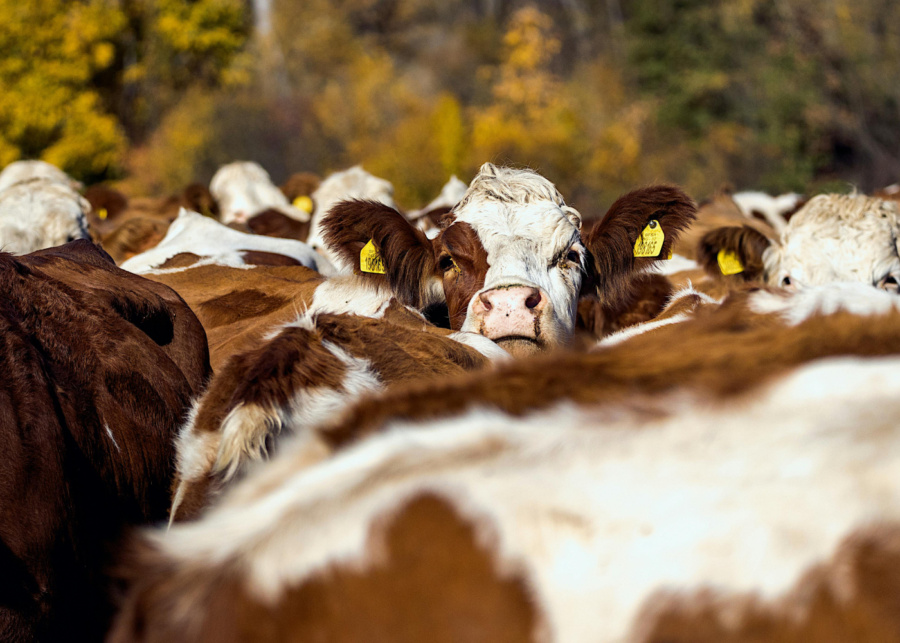
Before the pandemic, korban rituals were conducted at mosques across Singapore. Today, many mosques coordinate overseas korban programmes in countries such as Australia, Indonesia, and Sri Lanka. Participants usually receive updates, certificates, and photographs after the ritual is completed.
That said, local korban has resumed being carried out in Singapore. This year, seven mosques are conducting local korban programmes, which are coordinated through the Our Masjid SG korban portal. You may also come across organisations such as Pertapis offering korban arrangements alongside mosque-led initiatives.
What’s the difference between Hari Raya Haji and Hari Raya Puasa?

It’s easy to confuse Hari Raya Puasa and Hari Raya Haji, especially since both are major Muslim celebrations and are often referred to simply as Hari Raya in Singapore. But despite the similar names, the two occasions commemorate very different events in Islam.
Hari Raya Puasa marks the end of Ramadan, the fasting month observed by Muslims worldwide. The celebration is typically more festive, with family visits, open houses, and lots of food taking centre stage.
Hari Raya Haji commemorates Prophet Ibrahim’s willingness to sacrifice his son as an act of faith. The occasion also coincides with the completion of Hajj, the annual pilgrimage to Mecca. As a result, the celebration tends to be more reflective and spiritual in nature.
Are there any Hari Raya Haji greetings?
Just like Hari Raya Aidilfitri, wishing your Muslim friends “Selamat Hari Raya” suffices. If you want to be specific, you can say “Selamat Hari Raya Haji” or “Selamat Hari Raya Aidiladha”. And no, it’s still not the Islamic new year celebration.
We hope this guide has shed some light on Hari Raya Haji celebrations in Singapore.
Frequently Asked Questions
Is Hari Raya Haji a public holiday in Singapore?
Yes, Hari Raya Haji is a gazetted public holiday in Singapore. Since it falls on a Wednesday this year, many people take Monday and Tuesday off to turn it into a five-day mega-break!
What is the korban ritual?
The korban is an act of sacrifice where livestock (usually sheep or goats) is slaughtered to symbolise Prophet Ibrahim’s devotion. The meat is strictly divided into thirds: one-third for the family who provided the animal, one-third for friends and neighbors, and the final one-third for the needy and less fortunate.
What are the must-eat dishes?
Because of the Korban, dishes during this time are heavily meat-focused, like beef or mutton rendang, mutton korma, ketupat, and serunding.
Do people still do open houses for Hari Raya Haji?
While visiting occurs, it is much quieter and smaller in scale than Hari Raya Puasa. Families usually gather for a special meal at home after morning prayers.
Can I watch the morning prayers at a mosque?
Most mosques are very busy on this morning. While non-Muslims are welcome to observe from designated areas, it is respectful to dress very modestly and avoid using flash photography during the prayer service.
