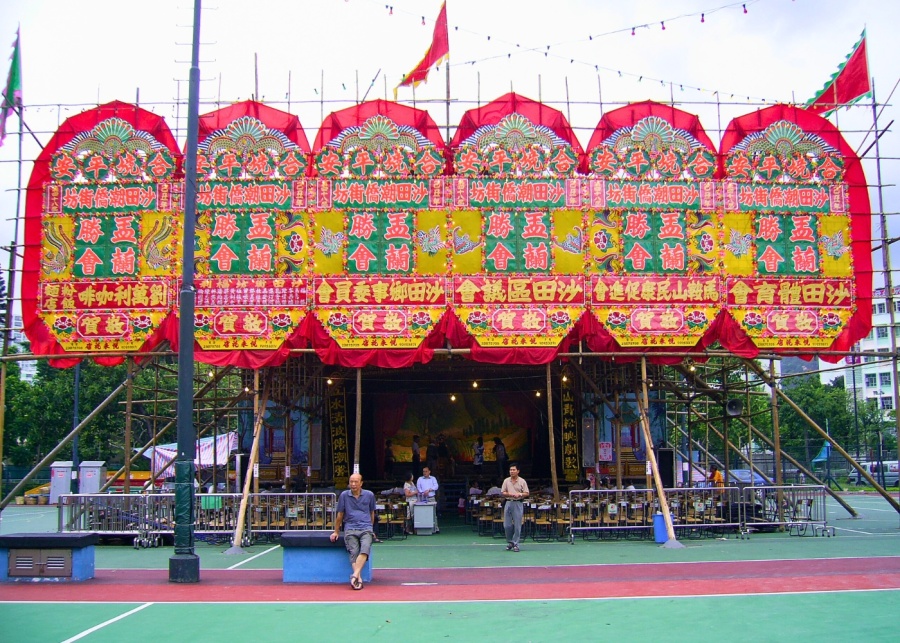
The Hungry Ghost Festival falls on the 15th day of the seventh lunar month and is a time for spiritual offerings, family gatherings, and traditional rituals in Hong Kong.
Every seventh lunar month, Hong Kong comes alive with the vibrant festivities of the Hungry Ghost Festival. Rooted in Buddhist and Taoist customs, this spirited celebration sees families and neighbourhoods across the city honouring ancestors with colourful rituals, lively Chinese opera, and unique offerings. Whether you’re wandering the busy streets of Yau Ma Tei or visiting the serene temples in Causeway Bay, you’ll find a slice of Hong Kong’s spiritual heritage on every street corner. During this special time, the boundary between the living and the departed feels especially porous, making it a unique yet spiritually dangerous period for all. Rest assured, you can avert this danger by following a few simple traditions.
Understanding the Hungry Ghost Festival
Origins and cultural significance
The Hungry Ghost Festival, locally called Zhongyuan Festival (中元節) or Yulan Festival (盂蘭節), has a history stretching back more than 2,000 years. With roots in ancient Buddhist and Taoist customs, each seventh lunar month, families believe the gates between the spirit world and ours swing open, letting departed loved ones return for a visit and enjoy the offerings prepared in their honour, including fresh fruits, meats, and various paper offerings.
Recognised in 2011 as part of Hong Kong’s intangible cultural heritage, the festival holds a special place in Hong Kong’s heart especially thanks to the Chiu Chow community, who brought these heartfelt traditions from Guangdong. Their dedication keeps the celebrations authentic and lively, turning the festival into both a meaningful tribute to ancestors and a joyful opportunity for neighbours to gather. Today, Hungry Ghost Festival celebrations represent an integral part of Hong Kong’s cultural identity.
Ghost Month beliefs and practices
Given the connection between the living and the departed, the seventh lunar month is also known locally as Ghost Month (鬼月). Locals believe that during this time, spirits wander freely, hoping to receive offerings from the living. Families join together, preparing thoughtful gifts and rituals to honour both their ancestors and any passing hungry ghosts who might not have relatives to care for them.
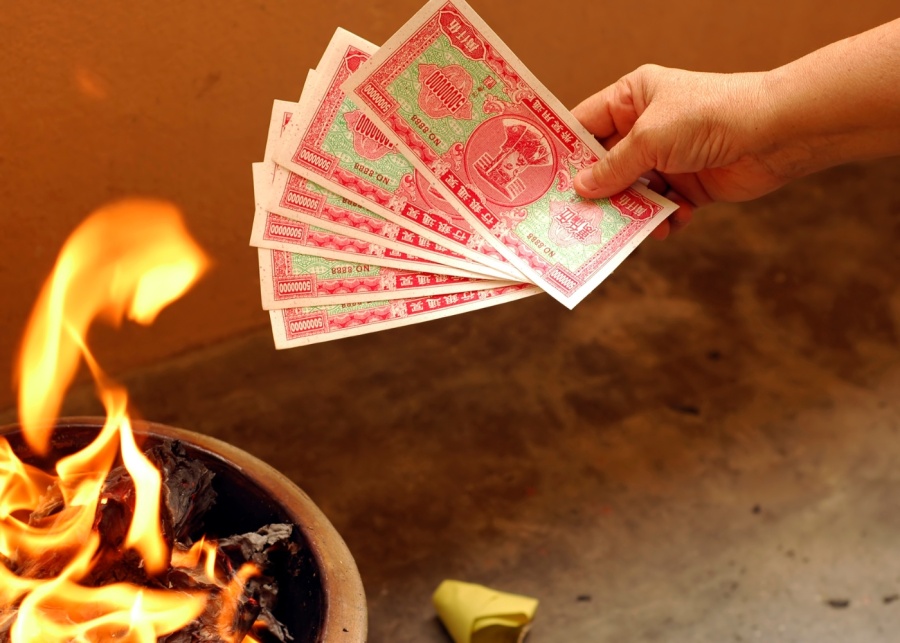
It’s common to see people burning colourful paper replicas of everything from trendy handbags and mobile phones to miniature cars and homes. The purpose of this ritual is to send worldly comforts to loved ones in the afterlife. Hell money (冥鈔) is also part of the offering, giving spirits spending power for their journey.
The festival calendar and key dates
Hungry Ghost Festival celebrations typically peak on the 15th day of the seventh lunar month, believed to be the night when spirits are most present. While this date marks the festival’s high point, the entire lunar month is filled with meaningful rituals and gatherings. Because the lunar calendar shifts each year, the festival can fall anywhere from mid-August to early September.
You’ll find festivities and Cantonese operas across temple communities in Yau Ma Tei, North Point, Causeway Bay, Tsuen Wan, and Sze Wan San. These usually take place around 7pm until midnight, with weekends offering the most action as families join together after work. Each neighbourhood and temple brings its own flair to the celebrations, making each visit a unique experience for visitors and locals alike.
Traditional practices and customs
Chinese opera performances
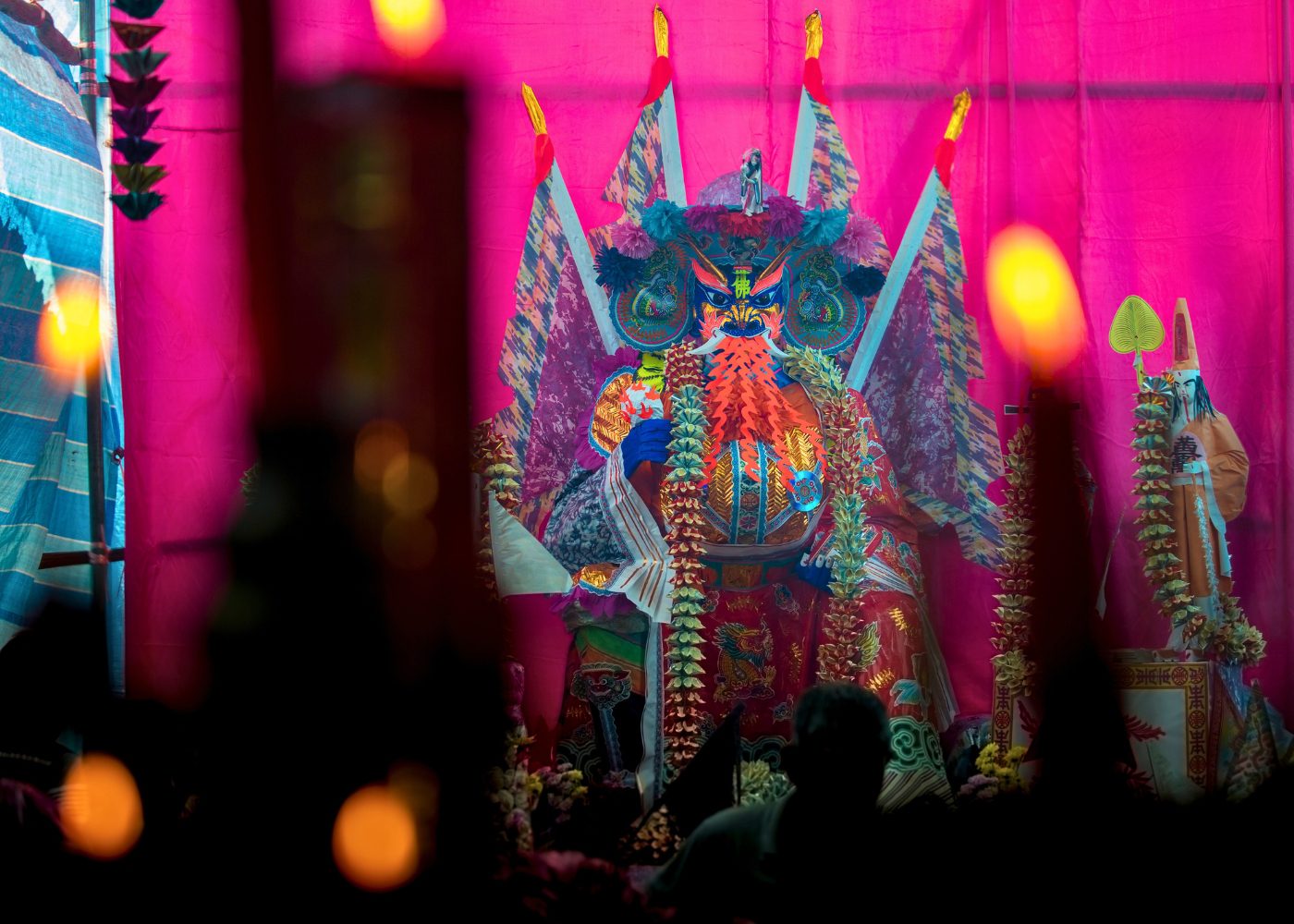
Cantonese opera performances are a highlight of the Hungry Ghost Festival, filling Hong Kong’s neighbourhoods with vibrant colours and music. Temporary outdoor stages pop up in busy districts, where talented troupes perform classic Chiu Chow operas. These shows delight both local residents and – according to tradition – the visiting spirits, as the front rows are typically left empty for ghostly guests. This gesture is a unique sign of respect, and adds a touch of mystery to the festive atmosphere.
If you’re keen to experience these lively evenings, head to Yau Ma Tei, North Point, or Causeway Bay! You’ll find local communities hosting nightly performances, often from 8pm until midnight. Expect stunning traditional costumes, vibrant music from traditional instruments, and folktales that explore themes of morality and redemption. Families and friends gather, bringing snacks and folding chairs, creating a friendly neighbourhood vibe.
Offerings and ritual burning
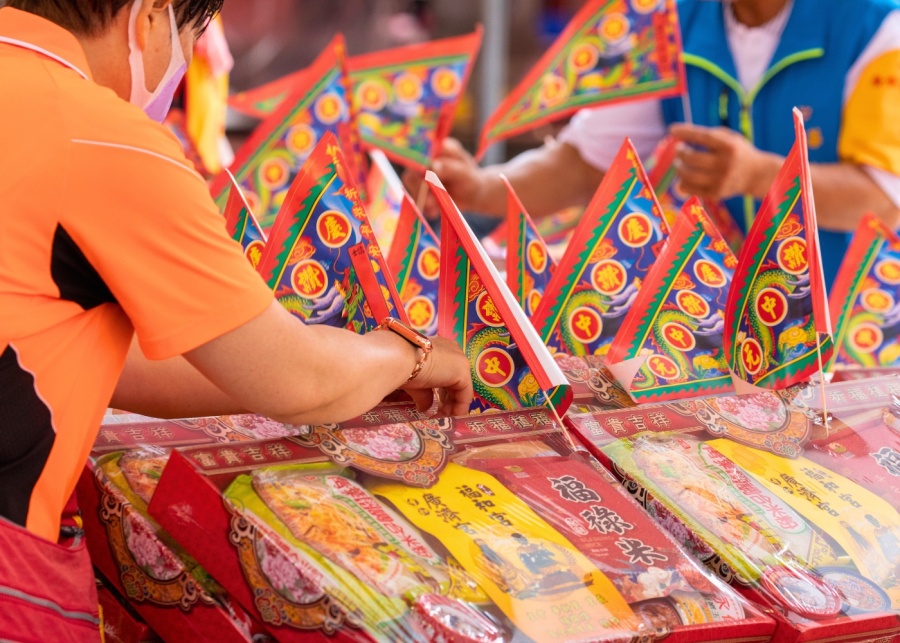
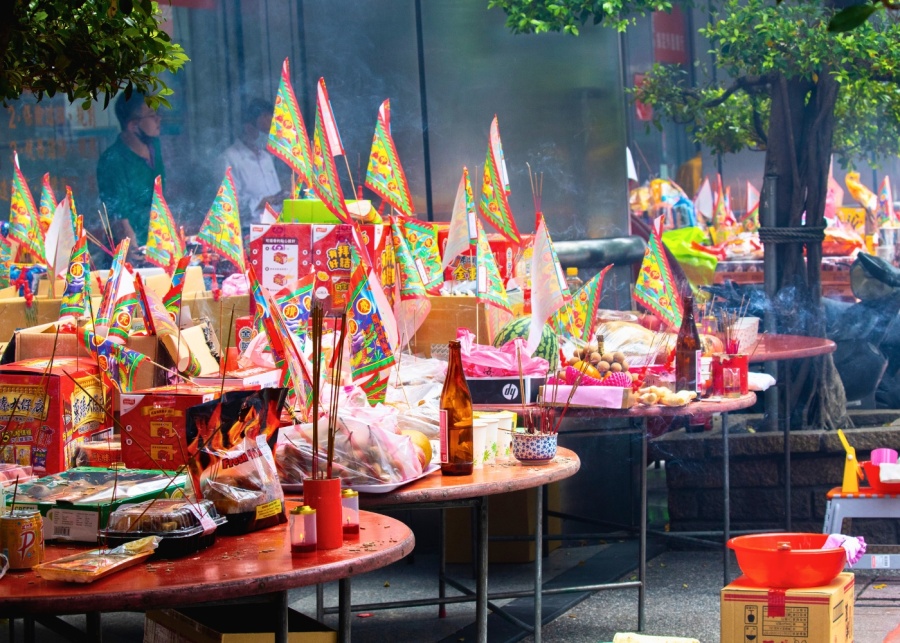
Preparing offerings for Hong Kong’s Hungry Ghost Festival is a heartfelt and unique tradition, with families lovingly preparing paper versions of everyday items to send to their ancestors. It’s common to see tables set up with delicious foods like roast pork, rice, fresh fruit, and incense, all carefully arranged on makeshift altars along city streets.
The paper offerings can get quite imaginative, ranging from smartphones and handbags to tiny model homes filled with furniture all meant to bring comfort to loved ones in the afterlife. Colourful bundles of hell money are also burned as spiritual currency. These moments bring families together across generations as they gather around a fire.
Temple activities and worship

During the Hungry Ghost Festival, Hong Kong’s temples become lively centres of spiritual and community activity. Well-known temples like Man Mo Temple in Sheung Wan and Wong Tai Sin Temple welcome locals and visitors to take part in special ceremonies held throughout Ghost Month. These sacred spaces offer a warm, structured setting for individual prayers as well as group worship, providing a peaceful contrast to the bustling streets nearby.
Temple events during this time include friendly guided prayer sessions, blessing rituals, and educational talks that help everyone understand the festival’s deeper meaning. Temporary worship spaces, decorated with colourful banners and filled with the scent of incense, spring up in temple courtyards. Community prayer sessions often bring people together through shared rituals. Helpful volunteers are always on hand to explain traditions and answer questions for those who are keen to learn more about the festivities.
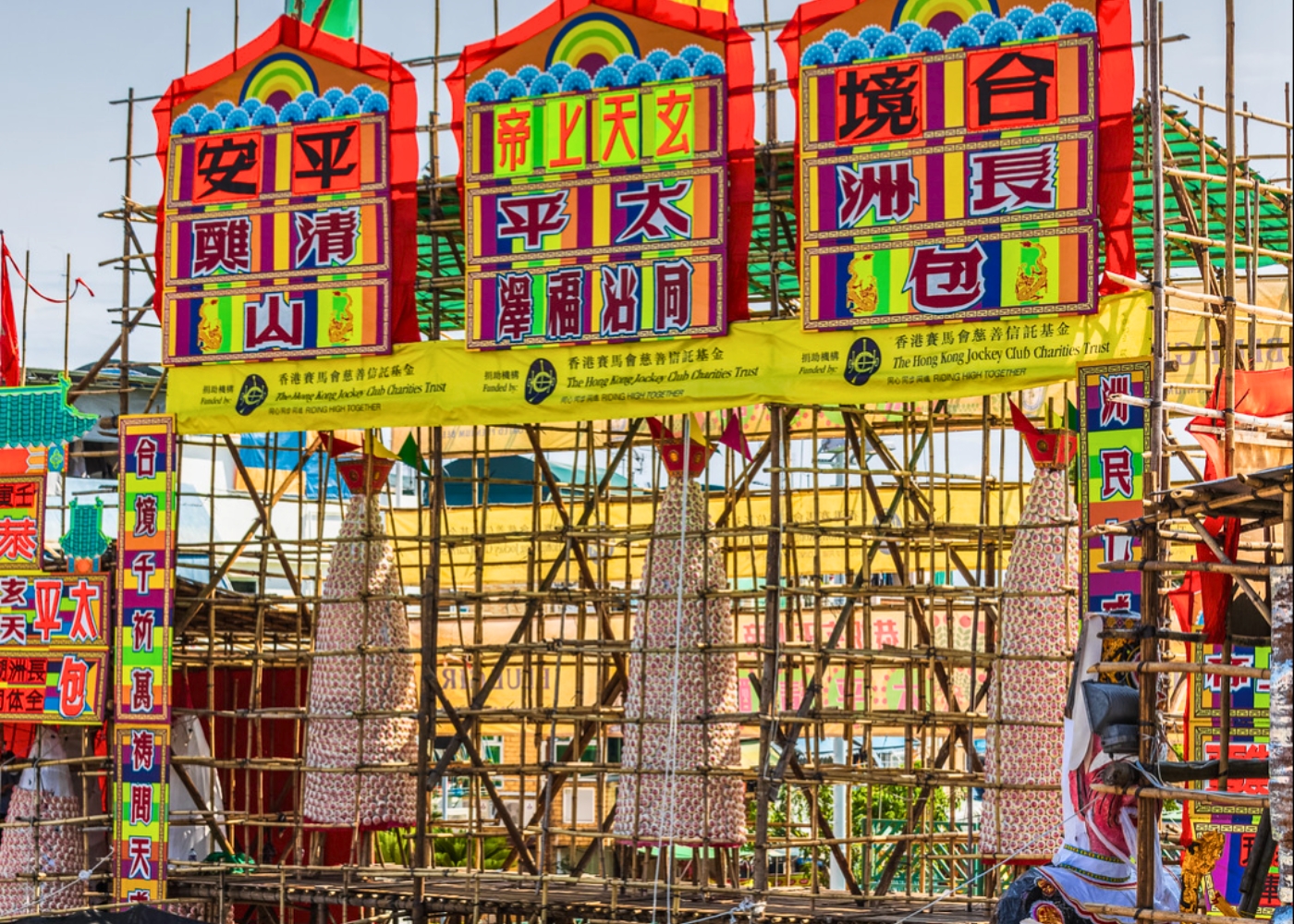
Essential dos and don’ts during Ghost Month
1. Respectful behaviour around offerings
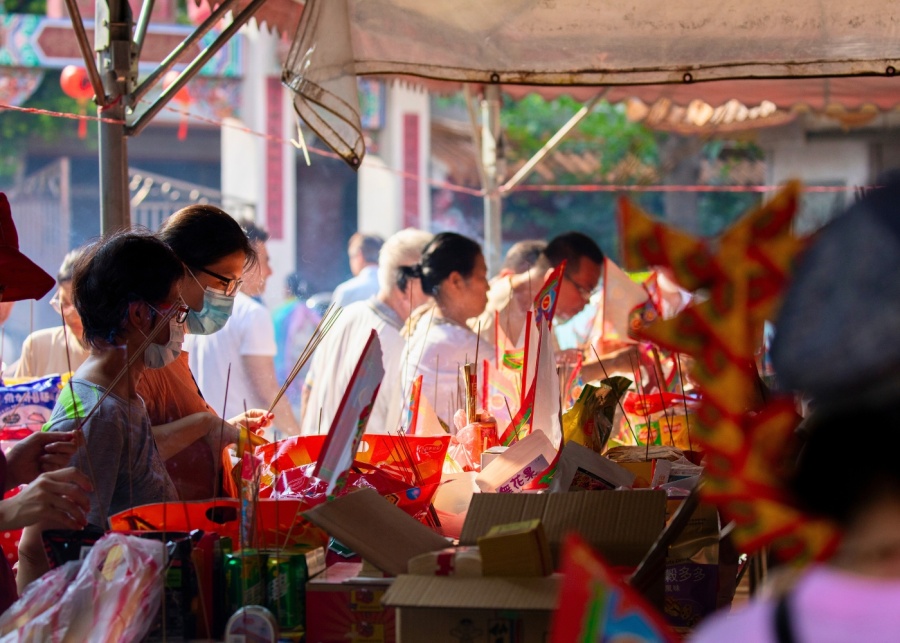
During the Hungry Ghost Festival in Hong Kong, you’ll often see food offerings, incense, and burning paper gifts set out in public areas. These displays are important cultural rituals, so avoid touching or moving offerings. And if you disturb one by mistake, a polite apology is appreciated.
2. Dining and food superstitions
Customs to avoid attracting spirits also find their way into dining rituals. The key rule is never to leave chopsticks standing upright in your rice, as this resembles incense and may invite hungry ghosts to join your meal.
3. Clothing and appearance guidelines
It’s best to avoid wearing lots of black or red, as these colours are thought to attract spirits. Instead, opt for light or neutral shades.
4. Activities to avoid during Ghost Month
As Ghost Month is considered inauspicious, major life events like moving house, starting a business, or holding weddings are usually postponed. Night photography near offerings and wandering alone in festival areas is discouraged – lest any paranormal figures show up in your snaps.
Where to experience Hungry Ghost Festival in Hong Kong
Yau Ma Tei District celebrations
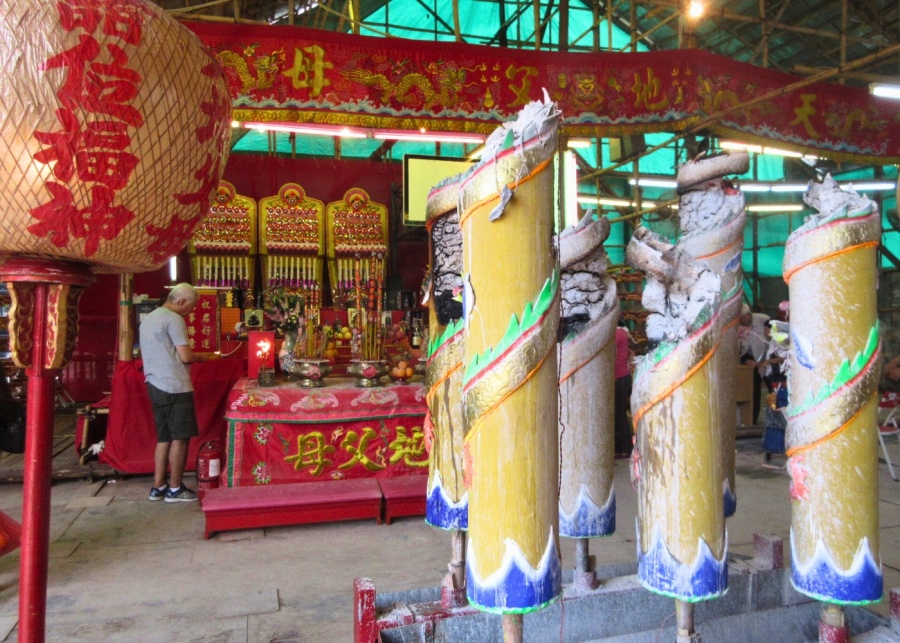
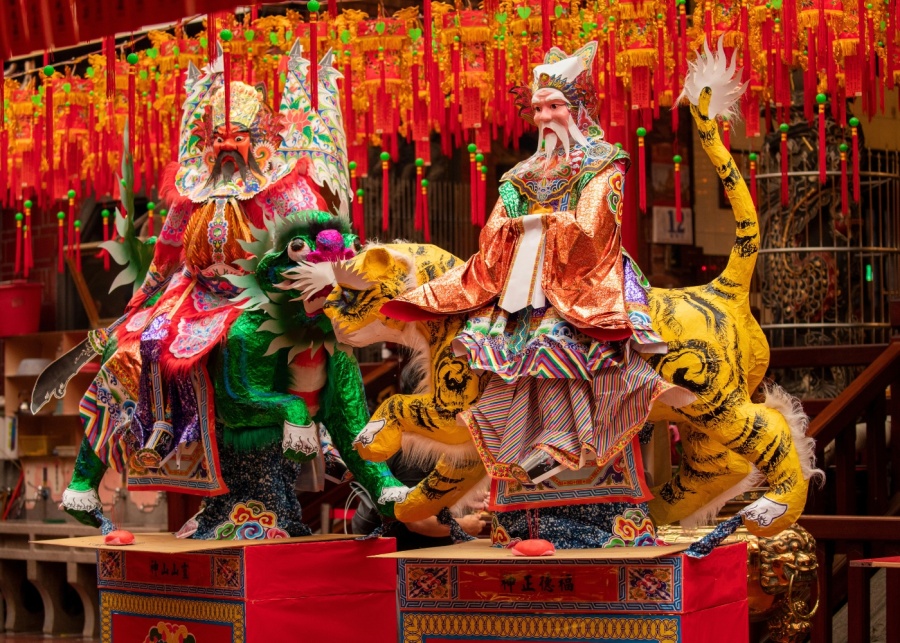
You’ll find the majority of traditional celebrations in the Yau Ma Tei District. Festivities centres around the Chiu Chow community in the area, including a parade of deity statues, Cantonese opera, and more.
Getting there: Take the MTR to Jordan Station for Exit A. Turn right onto Jordan Road. Cross Canton Road for King George V Memorial Park. | Take the MTR to Prince Edward Station for Exit D. Turn right onto Portland Street. Turn left onto Boundary Street. Walk for about 10 minutes for Sycamore Playground.
Tip: Try to arrive by 11am for the parade and 5pm for Cantonese opera.
Address: King George V Memorial Park, Jordan Road, Jordan, Hong Kong | Sycamore Playground, 12 Willow Street, Tai Kok Tsui, Hong Kong
Causeway Bay temple activities
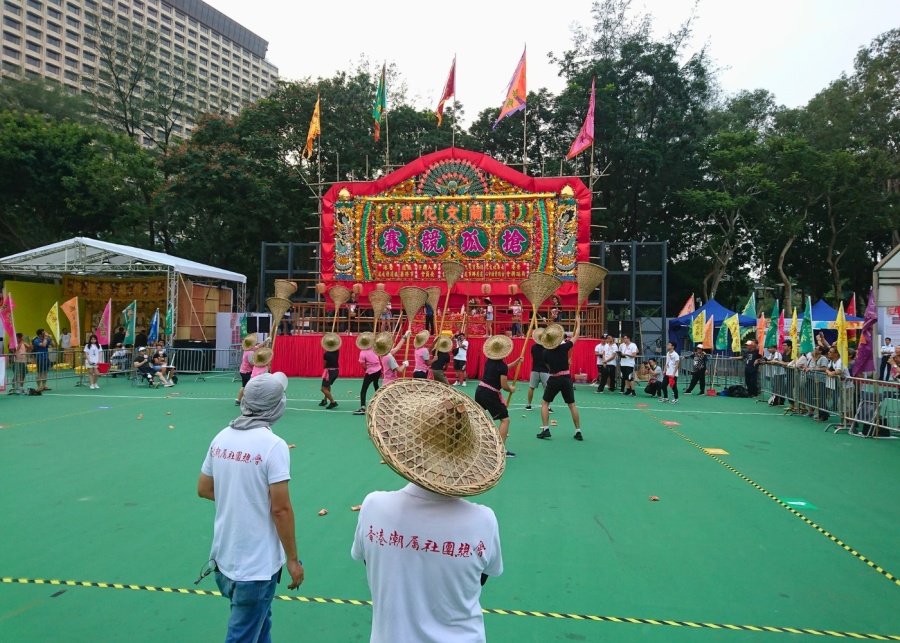
Causeway Bay temples are ideal for first-time observers of Hong Kong’s Hungry Ghost Festival. The lively Tin Hau Temple sits at the heart of the action, hosting a selection of ceremonies and informative community activities. Visitors can easily join in, as the temple offers guided sessions and shares stories about the traditions behind the festival.
In addition to traditional temple festivities, make your way to Victoria Park for the Yulan Cultural Festival. Here’s where you’ll find everything from carnival games and Cantonese opera to traditional festival competitions.
Getting there: Take the MTR to Causeway Bay Station for Exit A.
Tips: Arrive before 6pm to avoid the after work crowd.
What traditional festival should I cover next? DM @honeycombershk on Instagram or drop me an email at celia.lee@thehoneycombers.com.
Frequently Asked Questions
When is the Hungry Ghost Festival celebrated in Hong Kong?
The Hungry Ghost Festival takes place in the seventh lunar month, with its main day on the 15th. This usually occurs between mid-August and early September, but dates shift yearly. The entire month is observed as Ghost Month, with ceremonies held throughout.
Is it safe for tourists to visit Hong Kong during Ghost Month?
Yes, it is safe for tourists to visit Hong Kong during the Hungry Ghost Festival. Daily life continues as usual, and most attractions, restaurants, and transport run normally. The festival focuses on cultural and spiritual traditions, simply be respectful around offerings and ceremonies to enjoy a positive experience during this unique cultural season.
Can I take photos during Hungry Ghost Festival celebrations?
Photography is welcome at Hungry Ghost Festival events, especially for public performances and street scenes. However, always be discreet, avoid flash or close-up shots of offerings and ceremonies, and ask before photographing individuals involved in rituals. Some temples may restrict photography inside. Observe local behaviour and follow guidance to ensure respectful documentation during the festival.
What should I wear when attending festival events?
Opt for modest, comfortable clothing in neutral or light colours when attending festival events, as black and red are believed to attract spirits.
Are restaurants and shops affected during Ghost Month?
Restaurants and shops in Hong Kong generally operate as usual during the Hungry Ghost Festival. Some may make minor adjustments, such as altering menu items or service hours, to respect cultural customs, while businesses might delay major events until after Ghost Month. These changes are subtle and rarely affect tourists.
How can I respectfully observe the festival as a visitor?
To respectfully observe the Hungry Ghost Festival, avoid touching offerings and be mindful around ceremonies. Follow local guidance, ask when unsure, and show genuine interest in the culture. Enjoy public events without intruding on private rituals. Supporting local vendors and showing appreciation for traditions ensures a positive and meaningful festival experience in Hong Kong.
