
Spring cleaning, red ang paos, mandarin oranges – Chinese New Year is here, and along with it, a whole lot of superstition...
Growing up in a traditional family, superstitions have always been part of my Chinese New Year celebrations. Sure, some of them are weird, but they make for a fun tradition. And the truth is, the goal is very simple: maximise good luck, and avoid bad luck. After all, who wouldn’t want to have good fortune and prosperity for one whole year? These are some basic do’s and don’ts my family always follows for Chinese New Year. FYI, these rules apply for birthdays, too!
Essential details for Chinese New Year 2026:
- Date: Tuesday, 17 February 2026.
- Chinese zodiac: Horse, fire element.
Also read: Chinese New Year 2026 in Bali: Things to do and places to eat to celebrate the Year of the Horse
Chinese New Year Do’s For 2026

1. Spring cleaning before Chinese New Year’s Day
Clear bad luck and welcome prosperity by spring cleaning your home before Chinese New Year begins.
Out with the old! Spring cleaning and getting rid of old and unwanted furniture is said to clear the home of bad luck and welcome new and good fortune.
2. Gift ang pao to share luck with your loved ones
Share blessings and good fortune by gifting red envelopes filled with money during Chinese New Year.
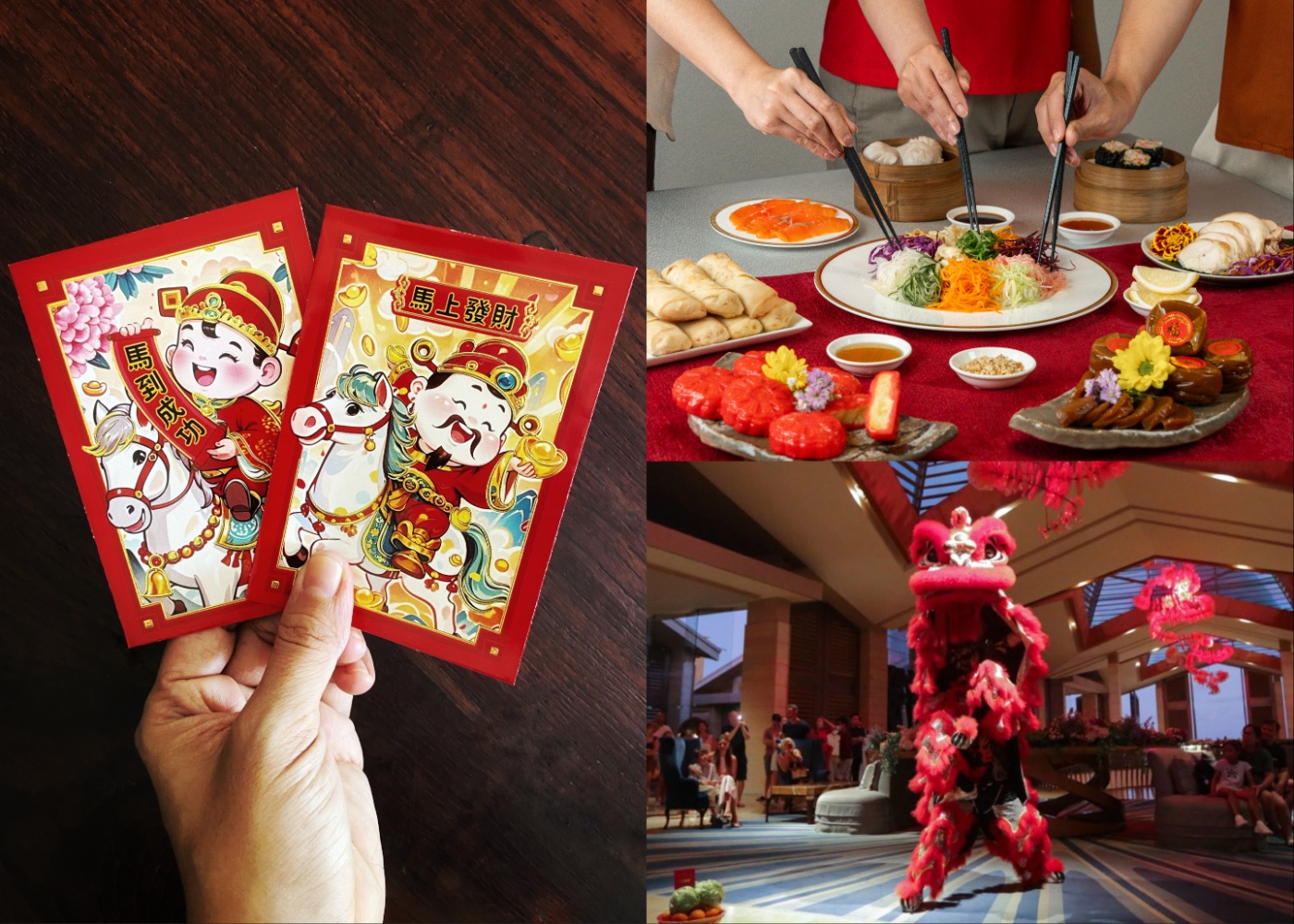
It’s customary to give money in a red envelope (hong bao or ang pao) to your loved ones. If you’re wondering who should give to whom, the general rule is: married adults should give ang paos to their parents, children, and single relatives. You can even add a mandarin orange for more luck! And always give money and mandarin oranges in even numbers – but, never the number 4 (which sounds like “death” in Chinese). During a lion dance performance, feed the lion an envelope and you might get a mandarin orange in return.
3. Gather the family for reunion feasts
Celebrate Chinese New Year with reunion dinners, Yu Sheng prosperity tosses and symbolic festive dishes.
Traditionally, the reunion dinners take place on the evening of Chinese New Year. Nowadays, many people also have it a few days or weeks before, or on CNY. Some people prefer the cosiness of holding the dinners in their own homes. But those who don’t want to cook? Book your reunion dinners at these top Chinese restaurants in Bali.
Lou Hei or Lao Yu Sheng is an important starter to reunion dinners. You’ll need to recite auspicious sayings while you mix the ingredients with your chopsticks, tossing it as high as possible for good luck. Hot tip: avoid eating porridge, as it is a symbol of poverty, as well as food with unlucky connotation, like bitter- and sour-tasting dishes. Rivers of gold, folks!
4. Have plenty of mandarin oranges in your home
Display and gift mandarin oranges to symbolise wealth, luck and abundance for the Lunar New Year.
The Chinese word for mandarin, “kam” sounds similar to the word for gold. So, having mandarin oranges (in even number!) at home around Chinese New Year and giving them out is said to bring wealth into your life.
5. Wear new red or gold clothes
Dress in new red or gold outfits to attract prosperity, strength and positive energy for the year ahead.
Dressing in a lucky red outfit is a must for Chinese New Year because the colour red symbolises strength and prosperity for the coming year. While gold is not a must, it’s great to have on as it’s the colour of wealth.
And here’s a good excuse to spend that wealth: a new outfit marks a fresh new beginning, so shopping is always encouraged! But beware, as buying new shoes is considered bad luck, because the word “shoes” sounds like “bad luck” or “evil” in Chinese.
Chinese New Year Don’ts For 2026

1. Don’t wear black or white colours
Avoid black and white clothing, as these colours symbolise mourning rather than luck and celebration.
Monotonous black and white clothing is traditionally worn during funerals, so avoid it for celebrations like Chinese New Year. So, bright colours (especially red, yellow and golden) are preferred because they symbolise luck and fortune.
2. No sweeping at home
Skip sweeping or taking out trash on New Year’s Day to avoid sweeping away good fortune.
The act of sweeping on Chinese New Year’s Day is associated with sweeping wealth away. Taking out garbage symbolises dumping out the good luck or good fortune from the house. So yup, this is one fine excuse to avoid doing housework until after New Year.
3. Avoid using sharp objects
Put knives and scissors away to prevent symbolically cutting off luck and prosperity.
Cutting things with sharp objects means cutting off your fortune. So, better not cut anything on Chinese New Year’s Day.
4. No hair washing or cutting
Avoid washing or cutting hair during Chinese New Year to prevent washing away fortune.
Washing your hair on the first and second day of Chinese New Year symbolises washing away your fortune. And the same goes for cutting your hair. But just like doing your home spring cleaning, washing your hair before CNY rids you of last year’s bad luck. So, you’ll want to book yourself in at Bali’s best salons for deep cleaning before the celebrations.
5. Nothing negative in the New Year
Start the Lunar New Year positively by avoiding arguments, negativity and unresolved debts.
Don’t start the Lunar New Year on the wrong foot. Skip crying, saying anything negative or arguing to keep bad vibes at bay. Additionally, it’s better to settle any unpaid debts before the New Year to ensure a clean financial slate and good luck.
Gong Xi Fa Cai, Honeys!
FAQs About Chinese New Year Rules, Traditions & Superstitions
What are the main traditions of Chinese New Year?
Key Chinese New Year traditions include family reunion dinners, cleaning the home before New Year’s Day, giving red envelopes, wearing red clothing, and visiting temples to pray for health and prosperity. These rituals symbolise renewal, good luck, and family unity.
Why is cleaning the house important before Chinese New Year?
Cleaning before Chinese New Year is believed to sweep away bad luck from the past year. However, cleaning on New Year’s Day itself is avoided, as it’s thought to wash away good fortune that has just arrived.
What should you not do during Chinese New Year?
Common Chinese New Year taboos include avoiding arguments, crying, breaking things, using sharp objects, or saying unlucky words. These actions are believed to bring bad luck for the coming year.
Why is wearing red important during Chinese New Year?
Red symbolises good luck, happiness, and protection from evil spirits in Chinese culture. Wearing red clothing and decorating with red lanterns and banners during Chinese New Year is believed to attract positive energy and prosperity.
What foods are eaten during Chinese New Year and why?
Traditional Chinese New Year foods are chosen for their symbolic meanings. Fish represents abundance, dumplings symbolise wealth, noodles signify longevity, and sweet foods represent a happy year ahead.
What is the significance of red envelopes on Chinese New Year?
Red envelopes, or ang pao, are given to children and unmarried adults as a symbol of blessings, protection, and good fortune. The money inside should be in even numbers, avoiding the number four, which is associated with bad luck.
Why is the number 8 lucky and 4 unlucky during Chinese New Year?
The number 8 sounds like the word for wealth and prosperity in Chinese, making it highly auspicious. The number 4 sounds like “death” and is avoided in gifts and money amounts, particularly during Chinese New Year.
Can you cut your hair during Chinese New Year?
Traditionally, cutting hair during Chinese New Year is discouraged, especially on New Year’s Day, as it symbolises cutting away luck. Many people get haircuts before the celebrations begin.
Are Chinese New Year superstitions still followed today?
Yes — while modern celebrations are more flexible, many families still observe Chinese New Year superstitions as a way to honour tradition, show respect to elders, and start the year with positive intentions.