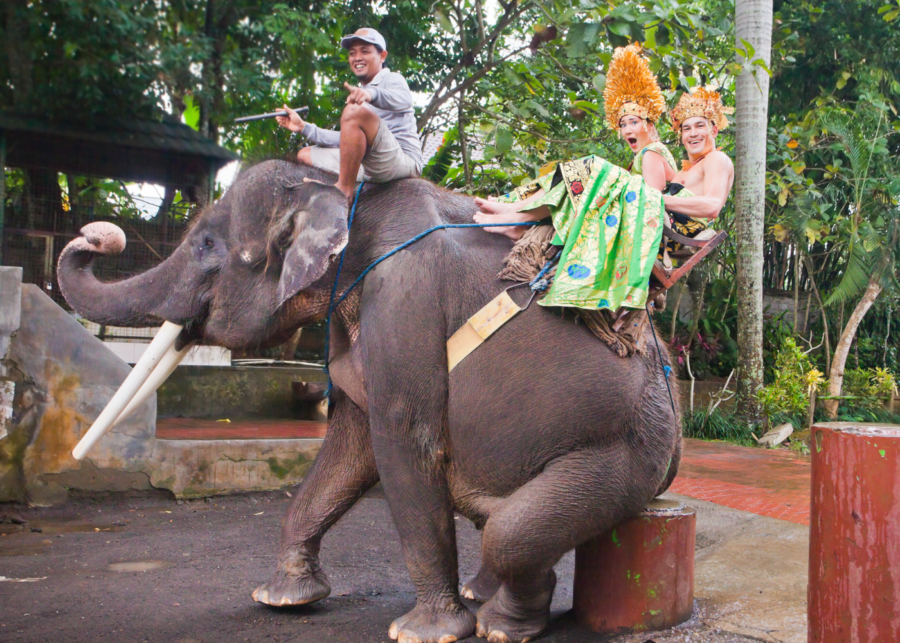
Let's be real: we all want that 'magic' holiday moment, but at what cost?
For many travellers, visiting Indonesia means chasing beaches, jungles, and close encounters with nature. In Bali especially, wildlife experiences have long been part of the itinerary, think the Ubud Monkey Forest or Bali Zoo.
But as our love for travel grows, so does our responsibility. We’ve moved past the era of entertainment at any cost and into a time of more mindful exploration. Here’s the good news: as of 2026, Indonesia has officially banned elephant rides, marking a shift towards more ethical wildlife tourism.
If you’re planning a trip to Bali, here’s what’s changed, why it matters, and how you can do your part.
What happened?
Indonesia has officially prohibited elephant rides at tourist attractions across the country. Wildlife parks, zoos, and conservation institutions can no longer offer riding experiences as part of their activities. Instead, operators are encouraged to focus on observation-based and educational experiences, like learning about elephant conservation or observing elephants in natural settings.
Why was the elephant rides ban introduced?
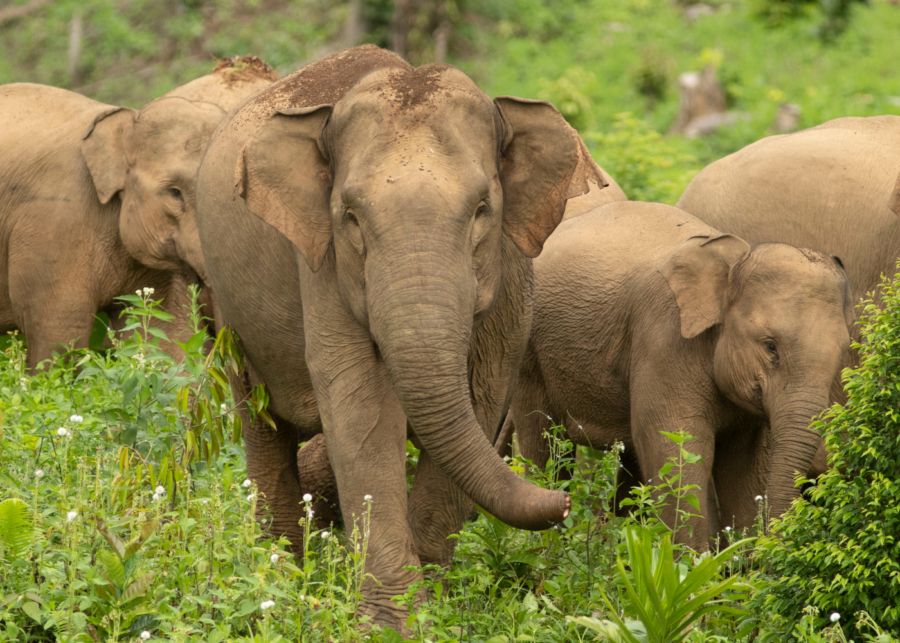
Over the years, animal welfare groups such as World Animal Protection and PETA Asia have raised uncomfortable but important questions about how wildlife attractions operate behind the scenes.
Their investigations found that many zoos and wildlife venues in Indonesia struggle to meet international animal welfare standards. In many cases, venues prioritised entertainment over animal wellbeing. These practices often involve painful and stressful training methods that force elephants to accept riders, restrict their natural behaviour, and cause long-term physical and psychological harm.
I remember when elephant rides were on every ‘must-do’ Bali list. But as we’ve learned more about the damage these animals endure, that recommendation started to feel more like a ‘must-avoid’. These findings forced us to rethink our relationship with nature, and it’s encouraging to see Indonesia now choosing compassion over entertainment.
What did the government say?
BKSDA Bali, the provincial conservation agency, has taken the lead in enforcing the change. The agency has issued warning letters and increased monitoring of facilities that keep elephants to ensure compliance. Ratna, Head of the Bali Natural Resources Conservation Agency, stated:
We reiterate that all conservation institutions are required to stop elephant riding and begin transforming themselves into more educational, innovative, and ethical wildlife tourism destinations.
Note: This doesn’t mean every wildlife venue automatically meets international welfare standards. The key difference is that elephant riding is now officially illegal across Indonesia under Circular Letter No. 6 of 2025. In short, the practice is no longer tolerated or permitted under current conservation regulations.
So, how can we support this new era of ethical tourism?
While the elephant ride ban is now in place, how we choose to explore wildlife attractions can help reinforce this shift towards more ethical tourism. Here are a few simple ways to do our part:
- Do a little research before visiting. Look into how a zoo or wildlife park cares for its animals, what experiences they offer, and whether education and conservation are central to their mission.
- Avoid attractions that promote riding or forced interactions. If an experience prioritises entertainment over animal wellbeing, it’s usually a red flag.
- Choose observation over interaction. Watching animals behave naturally from a respectful distance is often a better indicator of good welfare.
- Be mindful of photo opportunities. If animals are chained, restrained, or appear stressed just for pictures, it’s best to walk away.
- Speak up when something feels off. You can report concerns to official government authorities, or reach out to trusted local organisations like BAWA Bali or JAAN, who work closely on animal welfare issues on the island.
Supporting ethical wildlife tourism isn’t about doing everything perfectly. It’s about making more informed, thoughtful choices when we travel.
What do you think about Indonesia’s decision to ban elephant rides? Join in on our conversation here!
More updates you might want to know: